
best rasgulla recipe bengali sweet is really about two things American home cooks often don’t get warned about: controlling chhena moisture and keeping the sugar syrup at the right intensity so the balls expand instead of turning rubbery.
If you’ve tried rasgulla once and ended up with dense, cracked, or “bready” balls, you’re not alone, it’s a dessert that rewards small technique tweaks more than fancy ingredients.
This guide stays practical, you’ll get a tight ingredient list, a timeline you can actually follow, a troubleshooting table, and a few Bengali-style cues that usually make the difference between “okay” and “why is this so good.”
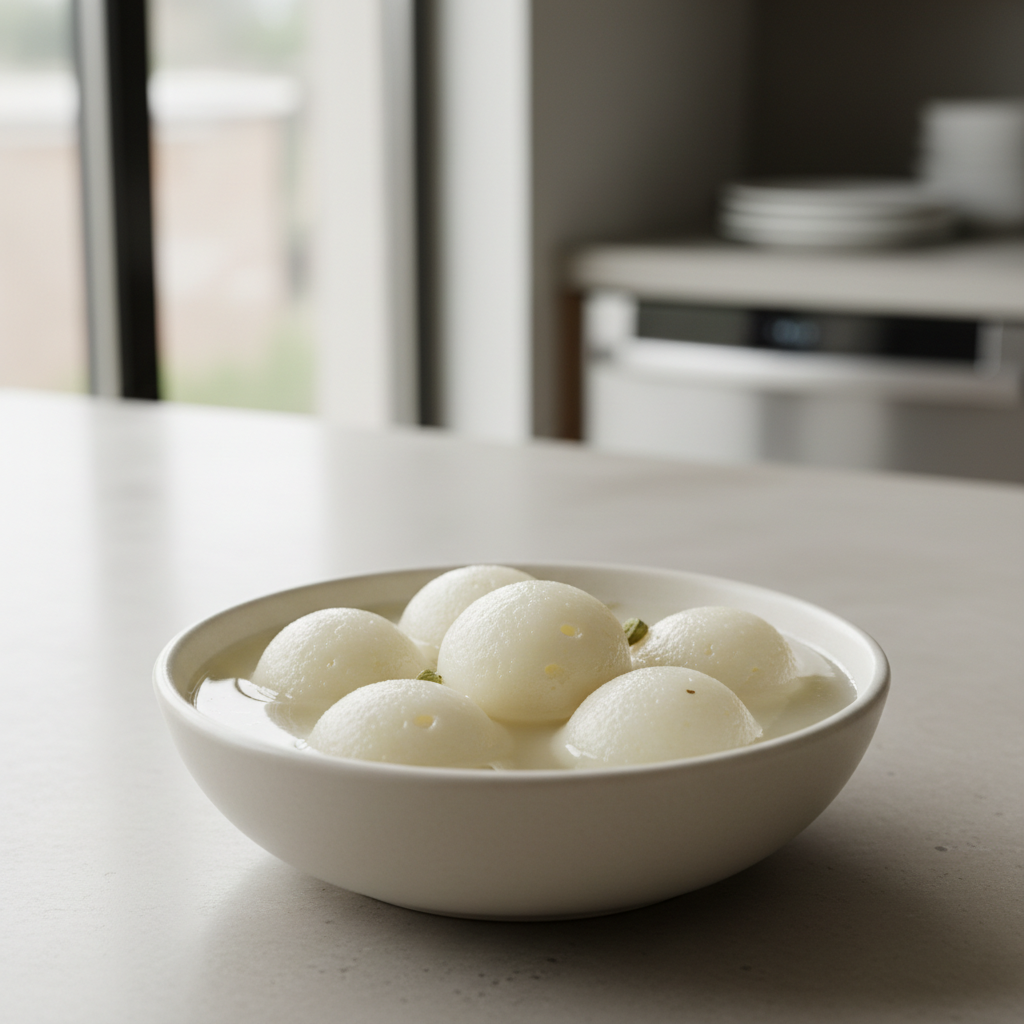
What Makes a Rasgulla “Bengali Style” (and Why Yours Might Not Feel Right)
In many Bengali sweet shops, rasgulla is judged by bounce and soak, it should feel airy when you press it, then spring back, and it should taste like syrup without becoming cloying.
Most home failures come from one of these:
- Chhena too wet, the mixture breaks, balls crack, syrup turns cloudy quickly.
- Chhena too dry, the balls look smooth but cook up dense and won’t expand much.
- Under-kneading, gritty curds stay intact, texture feels coarse.
- Over-kneading, fats separate, the dough turns greasy, then cooks rubbery.
- Syrup too thick early, expansion slows, you get heavy “dumplings” instead of sponges.
One more reality check, US milk behaves differently by brand and processing, so your exact draining time may shift a bit. That’s normal.
Ingredients and Tools (Simple List, No Mystery Items)
You can make the best rasgulla recipe bengali sweet with supermarket basics, but you’ll want a few tools that reduce guesswork.
Ingredients
- Whole milk (not ultra-filtered if possible), 1/2 gallon (about 1.9 L)
- Acid to curdle: lemon juice or white vinegar, 2–3 tbsp (add as needed)
- Sugar, 2 cups for syrup (plus extra to adjust)
- Water, 5 cups for syrup (plus extra if reducing too fast)
- Optional aroma: 1–2 crushed green cardamom pods or 1 tsp rose water (add at end)
Tools that help a lot
- Heavy pot with lid (rasgulla likes steady heat)
- Fine strainer + cheesecloth or nut-milk bag
- Slotted spoon
- Instant-read thermometer (helpful, not mandatory)
According to the USDA, milk should be kept out of the temperature danger zone as much as practical, so don’t leave fresh chhena sitting on the counter for long stretches, chill if you need to pause.
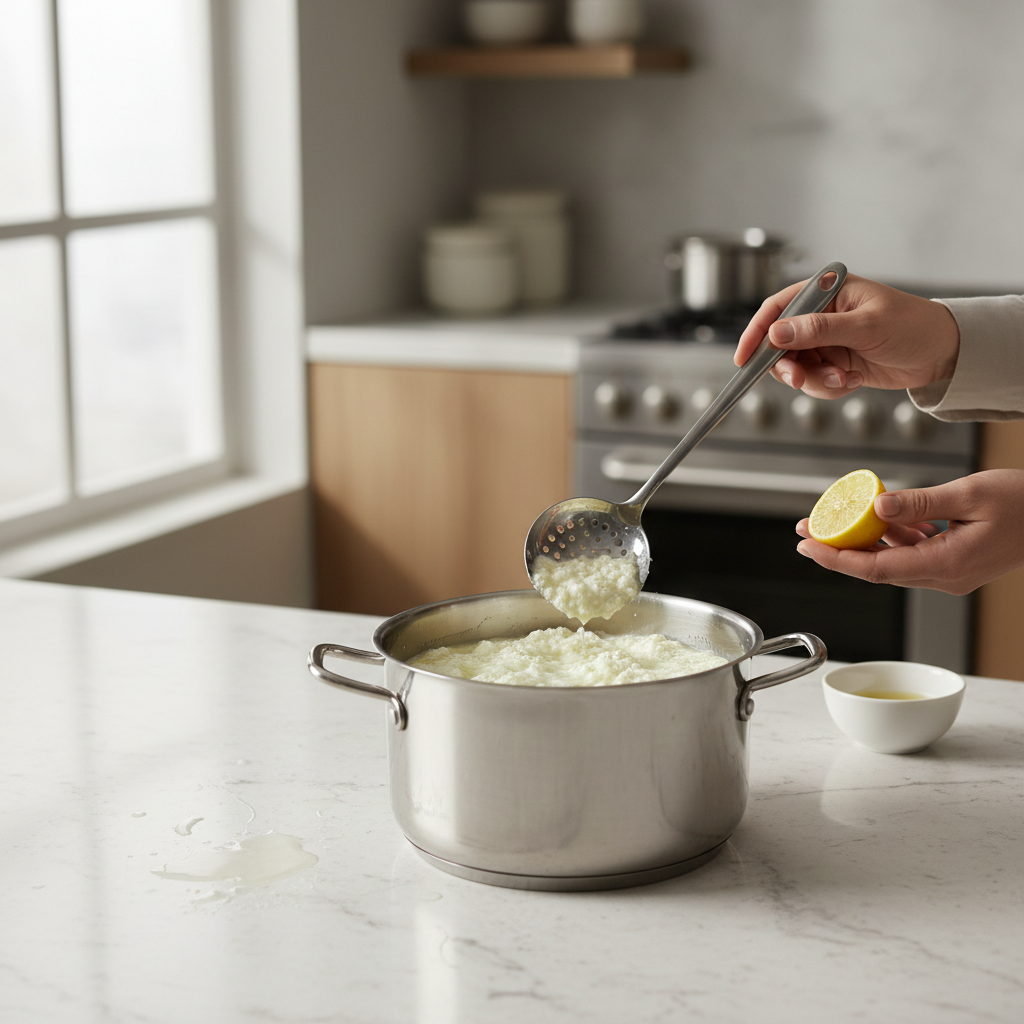
Quick Self-Test: Is Your Chhena Ready to Roll?
Before you touch syrup, check your chhena. This is where most batches are decided.
- Pinch test: pinch a bit, it should clump, not crumble like feta, not smear like cream cheese.
- Moisture test: press with a paper towel, you want a faint damp mark, not a wet blot.
- Feel: it should feel soft and pliable, with very little graininess.
- Time window: chhena kneads best when slightly cool, not steaming hot.
If it’s too wet, drain 5–10 more minutes. If it’s too dry, sprinkle 1–2 tsp whey back in and knead gently until it comes together.
Best Rasgulla Recipe Bengali Sweet: Step-by-Step Method
This method aims for consistent expansion and that light “shop-style” bite without turning the process into a science project.
1) Make chhena (fresh paneer base)
Heat milk in a heavy pot on medium until it reaches a gentle boil, stir occasionally to prevent scorching.
Lower heat, add lemon juice or vinegar gradually, stir slowly. When curds separate and whey looks yellow-green, stop adding acid, too much can make chhena tough.
Pour into a cheesecloth-lined strainer, rinse briefly with cool water to remove sharp acidity, then let drain 15–25 minutes.
2) Knead until smooth, not greasy
Transfer chhena to a clean surface, knead with the heel of your hand 6–10 minutes until it looks smoother and you can roll a ball without cracks.
Keep the dough covered if your kitchen runs dry, surface drying makes cracking more likely.
3) Shape the balls
Divide into 16–20 portions, roll between palms into smooth balls. Make them slightly smaller than you think, they typically expand.
- Cracks showing? Knead 1–2 minutes more, then re-roll.
- Too sticky? Drain chhena a bit longer next time, avoid adding flour, it changes texture fast.
4) Cook in light sugar syrup (the expansion stage)
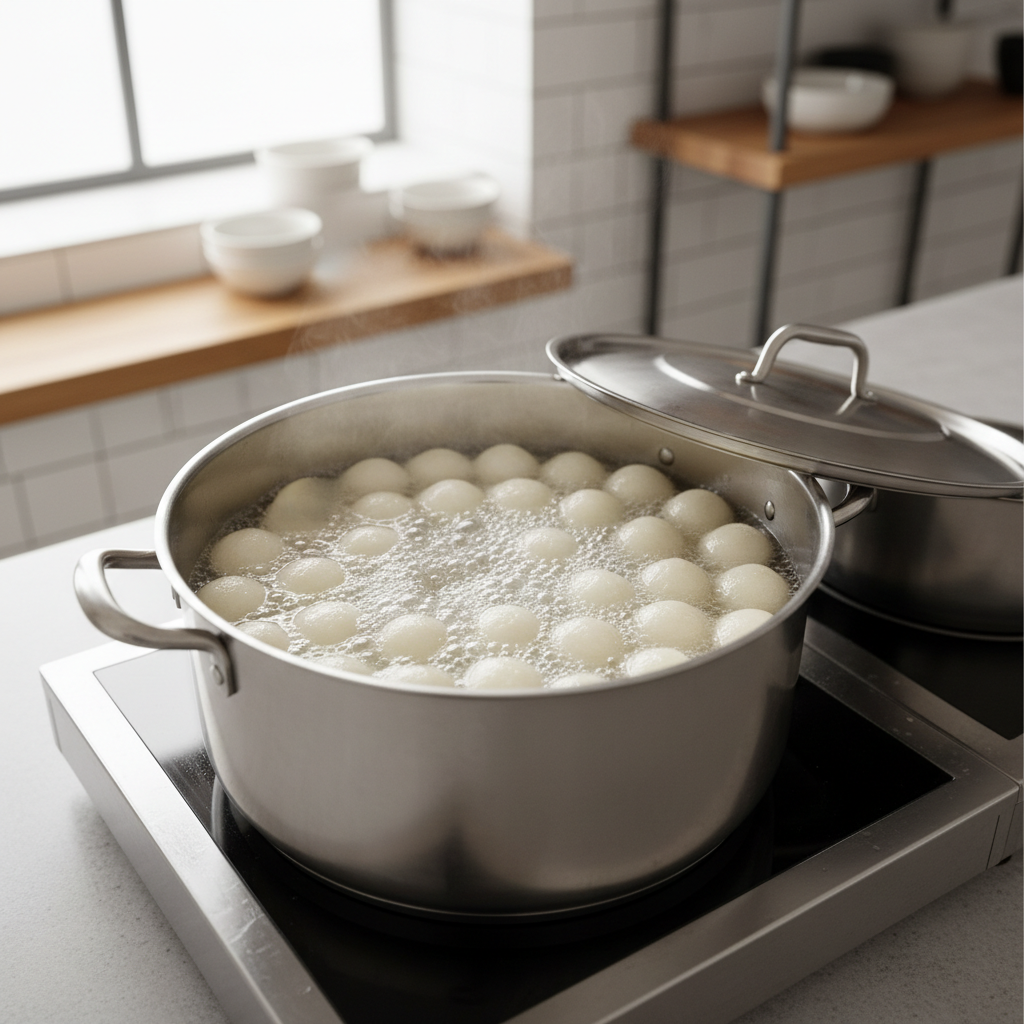
Bring sugar and water to a boil in a wide pot, you want enough room for the balls to move. Keep syrup at a lively simmer, not a violent rolling boil.
Slide balls in, cover with lid, cook 12–15 minutes. Every 4–5 minutes, add a small splash of hot water if syrup reduces quickly, the goal is to keep it light.
Turn off heat, rest 10 minutes covered, then transfer rasgulla and syrup to a bowl. Add cardamom or rose water after cooking so it stays aromatic.
Syrup Control: The Part People Underestimate
When someone says their best rasgulla recipe bengali sweet attempt tasted fine but felt heavy, it’s often syrup behavior, not just kneading.
- Too concentrated early: balls stop expanding, outer layer firms too fast.
- Too weak: flavor feels thin, balls can taste milky instead of syrupy.
- Too little syrup volume: crowding leads to uneven cooking.
A good home benchmark is a syrup that stays clear and watery while boiling. If it starts looking sticky or bubbles slow down fast, add a bit of hot water and bring back to a steady simmer.
Troubleshooting Table (Fix the Batch You Have)
Rasgulla is forgiving in some ways, especially after it soaks. Here’s a practical map.
| Problem | Likely cause | What to do now | Next time |
|---|---|---|---|
| Dense, not spongy | Chhena too dry or over-kneaded | Soak longer in slightly warm syrup | Drain less, knead just to smooth |
| Cracks or breaks while cooking | Chhena too wet or under-kneaded | Lower boil to steady simmer, avoid stirring | Drain a bit more, knead longer |
| Rubbery/chewy bite | Too much acid, high heat, thick syrup | Rest in syrup overnight, serve chilled | Add acid slowly, keep syrup light |
| Syrup cloudy | Loose chhena particles, rough handling | Strain syrup gently, return sweets | Smoother knead, gentle drop-in |
| Flat flavor | Syrup too weak or short soaking | Simmer syrup briefly, cool, re-soak | Give at least 2–4 hours soak |
Serving, Storage, and Food-Safety Notes
Rasgulla improves after it rests, many batches taste better a few hours later, sometimes the next day.
- Best serving: chilled or cool room temp, with enough syrup to cover.
- Storage: keep in the refrigerator in syrup, covered.
- Timing: in many home kitchens, 3–4 days is a reasonable window, but use your judgment, if smell or texture changes, discard.
- Allergies: dairy-heavy dessert, if you have dietary conditions, it may be worth checking with a clinician.
According to the FDA, refrigerated perishable foods should be kept at 40°F (4°C) or below, so chill rasgulla promptly after it cools a bit.
Key Takeaways (If You Only Remember a Few Things)
- Moisture beats measuring: chhena texture matters more than exact tablespoons.
- Knead for smoothness, stop before grease: that’s the sweet spot for spongy results.
- Keep syrup light and plenty: simmer + space helps the balls expand.
- Soaking is part of the recipe: give it time to absorb syrup and soften.
Conclusion: A Shop-Style Result at Home Without Overcomplicating It
The best rasgulla recipe bengali sweet isn’t about secret ingredients, it’s about getting chhena to the “right damp” stage, then cooking in a generous, light syrup so the balls inflate and stay tender. If your first batch comes out imperfect, don’t write it off, use the table above, adjust one variable, and try again.
If you want a simple next step, make a half batch, take notes on draining time and syrup behavior, then repeat with tiny changes rather than swapping the whole method.
FAQ
- Why did my rasgulla turn hard after cooling?
Many times the syrup reduced too much or heat ran too high, which tightens the outer layer. Longer soaking in a lighter syrup can soften it, and next time keep a steady simmer and add hot water if needed. - Can I use store-bought paneer instead of making chhena?
It can work in some cases, but store paneer is usually pressed and drier, so expansion suffers. If you try it, grate finely and knead with tiny splashes of warm milk or whey, then expect a slightly firmer bite. - What milk works best in the US for rasgulla?
Whole milk is the usual pick, but brands vary. Ultra-pasteurized milk sometimes forms curds that feel a bit tougher, so if you keep getting chewiness, test a different brand. - How do I know if I over-kneaded the chhena?
If the dough starts looking shiny or greasy and feels slick, you likely pushed too far. You can still cook it, but the texture may lean chewy, next time stop as soon as it rolls smooth without cracks. - Should I add flour, semolina, or cornstarch?
Some home recipes add a pinch for insurance, but it can shift texture toward “cake-y.” If your technique is close, you usually don’t need it, and fixing moisture and kneading tends to give a more Bengali-style sponge. - Why are my rasgullas not absorbing syrup?
Often the outside sealed quickly from thick syrup or high heat. Keep syrup light, avoid overcrowding, and allow a longer rest time so the interior can catch up. - Can I reduce sugar and still get spongy rasgulla?
Reducing sugar changes boiling behavior and preservation, and sometimes affects expansion. If you need to adjust sweetness for health reasons, consider smaller portions and consult a professional for dietary guidance.
If you’re cooking for guests and want a more predictable path, it can help to run one “practice batch” focused only on chhena moisture and simmer control, once those two click, the rest of this Bengali sweet gets dramatically easier.