
Organic cooking can feel simple in theory, then you hit real life: a busy weeknight, a higher grocery bill, and the question of what “organic” even changes on your plate. The good news is you don’t need a perfect pantry or a 100% organic cart to cook better meals.
This guide focuses on the moves that matter most: how to shop without overspending, how to prep to reduce waste, and how to build flavor so “healthy” doesn’t turn into “bland.” I’ll also flag a few common myths that lead people to spend more for little payoff.
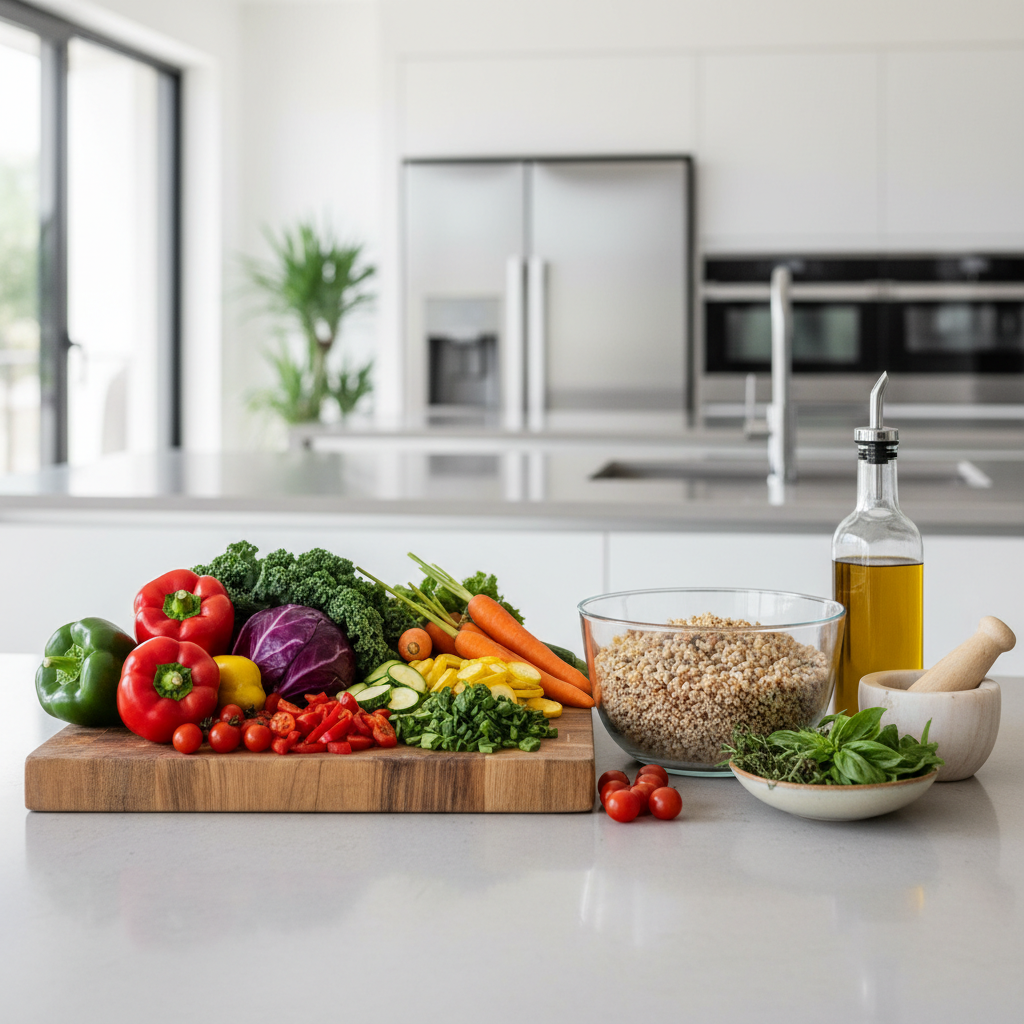
If you want one takeaway before we start: prioritize the foods you eat most often, learn a few storage habits, and use seasoning techniques that make vegetables and whole grains genuinely satisfying.
What “Organic” Means in the U.S. (and What It Doesn’t)
In the U.S., “organic” is a regulated label, but it still gets misunderstood. According to USDA, organic production uses approved methods that support soil and water quality and restricts many synthetic pesticides and fertilizers, and it also sets standards for animal feed and antibiotics.
What it doesn’t guarantee: a food being “organic” does not automatically mean it’s more nutritious for everyone, and it doesn’t mean “no pesticides ever.” It usually means different inputs and rules, not magic health effects.
- USDA Organic: meets federal organic standards for production and handling.
- 100% Organic: all ingredients (except water/salt) are organic.
- Made with organic: at least 70% organic ingredients, more limited label use.
If you’re cooking at home, the label matters most when it changes how you shop and prep, not when it becomes a purity test that makes you give up.
Why Organic Cooking Feels Hard: Real-World Friction Points
Most people don’t quit because they hate cooking, they quit because the system feels fragile. A few patterns show up a lot.
- Cost shock: going “all organic” overnight often blows up the budget.
- Perishability: fresh produce spoils fast when you lack a plan for storage and leftovers.
- Decision fatigue: labels, brands, and conflicting advice create analysis paralysis.
- Flavor gap: if meals taste “healthy” in the bad way, consistency disappears.
Fixing organic cooking is less about willpower and more about building a repeatable workflow: buy a few high-impact items, cook in batches, and keep flavor boosters on hand.
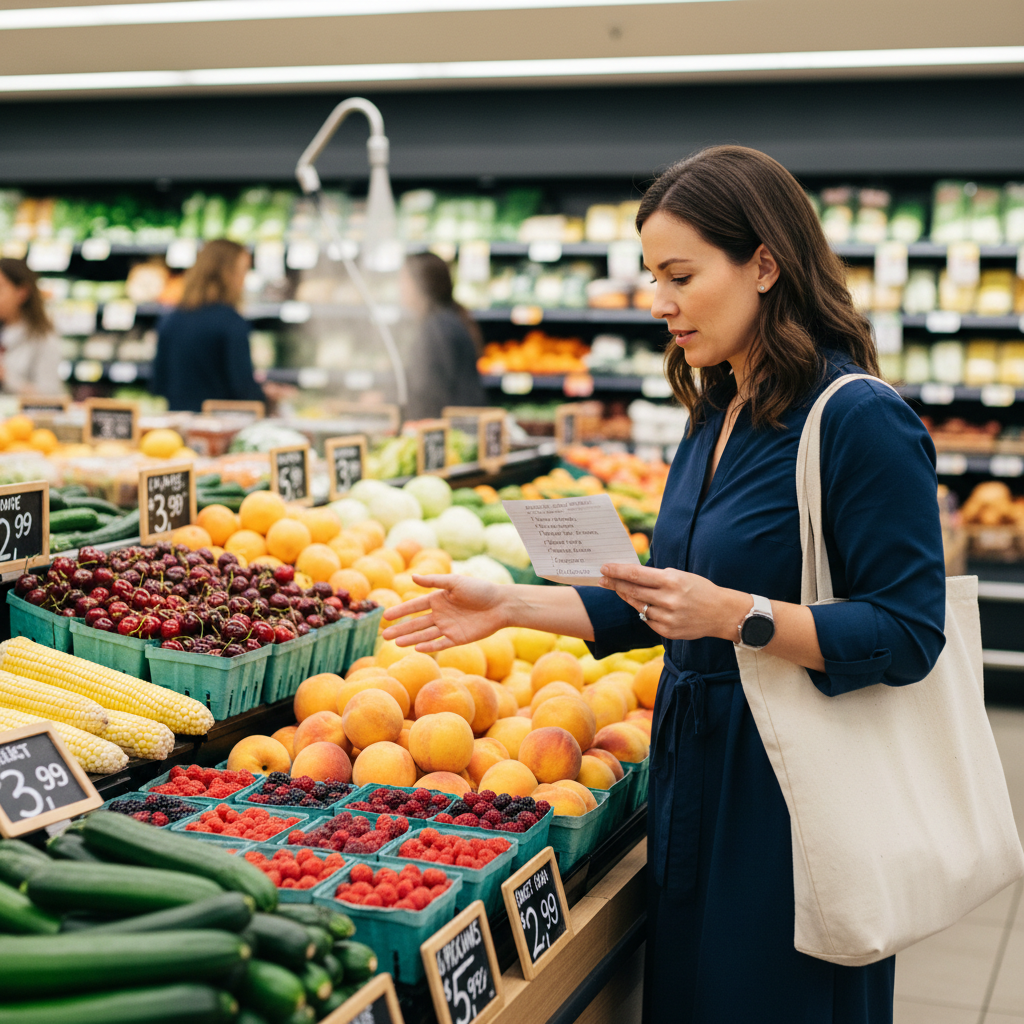
One more thing that trips people up: trying to solve “health” and “ethics” and “taste” and “budget” all at once. It’s okay to pick one priority per month and iterate.
A Quick Self-Check: Where You’ll Get the Biggest Wins
Use this as a fast diagnostic. You’ll know what to change first without rebuilding your entire kitchen.
- If your grocery bill feels out of control, you probably need prioritization + pantry strategy.
- If you throw away produce weekly, you need storage + a “use-it-up” meal.
- If meals taste boring, you need technique + seasoning, not a new diet.
- If you feel confused about labels, you need a short ruleset you can remember.
Simple rules that work in most households
- Buy organic for the foods you eat most often, not for everything.
- Choose one “anchor” meal you can repeat (sheet-pan, stir-fry, big salad, grain bowl).
- Keep 3 flavor tools ready: acid (lemon/vinegar), fat (olive oil), and a bold seasoning (garlic, chili, spices).
Smart Shopping for Organic Cooking (Without the Premium Burn)
Organic cooking gets easier when shopping becomes predictable. A few tactics usually make the biggest difference.
- Go seasonal: seasonal produce tends to be cheaper and taste better, organic or not.
- Use frozen: frozen organic vegetables and fruit can be a budget-friendly staple, and they reduce waste.
- Buy “high-use” organic items: if you drink milk daily or eat berries often, upgrading those may feel worth it.
- Shop the perimeter, stock the pantry: produce, eggs, and proteins on the perimeter, plus shelf-stable basics to build meals fast.
Organic swaps that often feel worth it vs. “nice to have”
| Category | Often worth prioritizing | Often fine to buy conventional |
|---|---|---|
| Produce | Berries, leafy greens, apples (if eaten frequently) | Thick-peeled items like bananas, oranges, avocados |
| Dairy | Milk, yogurt, eggs (if daily staples) | Specialty cheeses you eat occasionally |
| Pantry | Oats, rice, beans, lentils when they’re core foods | One-off baking items you rarely use |
| Proteins | Chicken or ground turkey you cook weekly | Occasional cuts where price jumps significantly |
Key point: this isn’t a universal ranking. What’s “worth it” depends on what you eat most and what you can sustain month after month.
Cooking Techniques That Make Healthy Food Taste Like Real Food
Organic ingredients won’t rescue a meal if technique is missing. The upside is you can learn a few reliable methods quickly.
- Roast for sweetness: high heat caramelizes vegetables, making them naturally richer.
- Salt in layers: a pinch early and a small adjustment at the end beats dumping salt at the table.
- Add acid at the end: lemon juice, vinegar, or pickled onions wake up grains, beans, and greens.
- Use “umami helpers”: tomato paste, mushrooms, parmesan, miso, or soy sauce can make veggie meals satisfying.
Easy flavor combos for weeknights
- Sheet-pan veggies + chickpeas + cumin + lemon
- Brown rice + sautéed greens + garlic + olive oil + feta
- Chicken thighs + paprika + roasted onions + a quick yogurt sauce
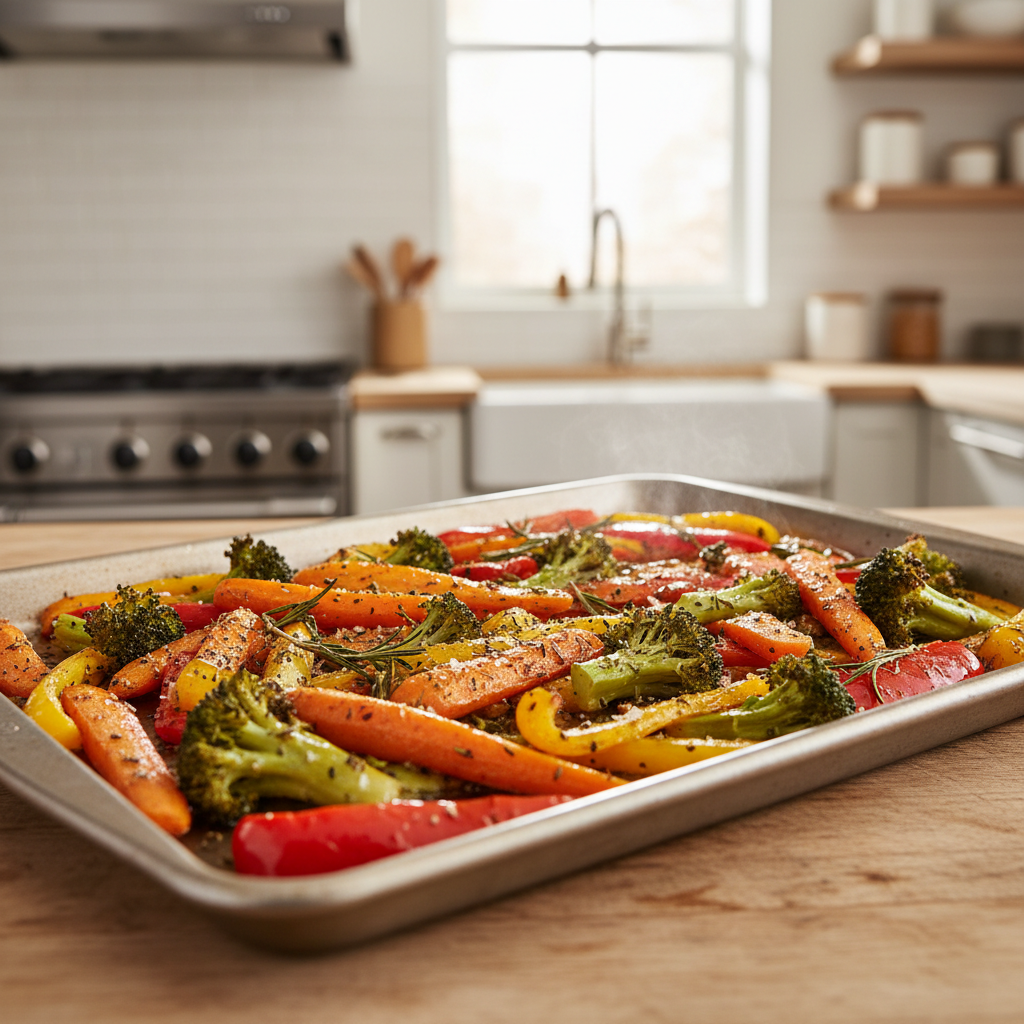
Many people think “healthy” means low fat and low flavor, then wonder why they snack later. If your meals don’t satisfy, you’ll compensate somewhere else, so building flavor is not a luxury.
Food Safety and Storage: The Part That Protects Your Effort
Organic cooking still requires the same basics: clean hands, clean surfaces, and safe temperatures. According to CDC, handwashing and preventing cross-contamination are key steps to reduce foodborne illness risk.
- Wash hands before prep, especially after handling raw meat or eggs.
- Use separate cutting boards for raw proteins and produce when possible.
- Rinse produce under running water; avoid washing with soap.
- Cool leftovers promptly and store in shallow containers so they chill faster.
Storage is where budgets live or die. If you tend to forget produce, keep a “front shelf” in the fridge for items that need to be used next, and plan one flexible meal like fried rice, soup, or tacos to clear odds and ends.
A Practical 7-Day Starter Plan (Flexible, Not Perfect)
This is a realistic approach for organic cooking when you want momentum without pressure. Pick two batch components and mix-and-match.
Choose 2 batch bases
- A pot of grains (brown rice, quinoa, farro)
- A tray of roasted vegetables (whatever is on sale)
- A protein (beans, lentils, chicken, tofu)
Choose 3 “fast finishers”
- Salsa or jarred sauce you actually like
- Salad kit or pre-washed greens for busy nights
- One sauce you can make in 2 minutes: tahini-lemon, yogurt-garlic, or mustard vinaigrette
Put it together
- Mon-Tue: grain bowl with roasted veggies, protein, and a bright sauce
- Wed: leftover veggies folded into an omelet or frittata
- Thu: quick soup using broth, beans, greens, and any leftover grains
- Fri: tacos or wraps with whatever remains, plus a crunchy topper
If you want a clean “rule,” make one batch cook happen on the day you have the most energy, not the day you think you should. That choice alone tends to stick longer.
Common Mistakes That Make Organic Cooking More Expensive (and Less Fun)
- Buying specialty “organic snacks” instead of ingredients: convenience foods can be pricey, even with a better label.
- Overbuying produce without a plan: good intentions don’t stop spoilage.
- Ignoring protein and fat: salads without enough staying power often backfire.
- Trying to do everything from scratch: a few high-quality shortcuts can keep you consistent.
Also, don’t confuse “organic” with “safe for everyone.” If you manage allergies, medical diets, pregnancy-related food guidance, or a chronic condition, it’s smart to check in with a qualified clinician or registered dietitian for personalized advice.
Conclusion: Keep Organic Cooking Sustainable
Organic cooking works best when it’s practical: upgrade the foods you eat most, learn two or three flavor techniques, and build a shopping routine that doesn’t rely on motivation. If you do those things, the label becomes a tool, not a stressor.
If you want an easy next step, pick one organic “staple” to commit to for the next two weeks, and pair it with one batch-cooked base you can reuse in multiple meals.
FAQ
Is organic cooking automatically healthier?
Not automatically. Organic standards focus on how food is produced and handled; your overall diet pattern, cooking method, and portions still matter a lot.
Do I need to wash organic produce?
Yes. Even with organic items, rinsing under running water helps remove dirt and surface residues, and it’s a solid habit for food safety.
What’s the easiest way to start organic cooking on a budget?
Start with one or two high-use items you buy every week, then lean on frozen organic produce and inexpensive pantry staples like beans and oats.
Are frozen organic vegetables a good option?
In many cases, yes. They’re convenient, reduce waste, and work well in soups, stir-fries, and sheet-pan meals.
How do I keep organic groceries from going bad too fast?
Plan one “use-it-up” meal midweek, store leftovers in clear containers, and keep quick options like eggs, canned beans, and greens so you can pivot.
Does “organic” mean pesticide-free?
Not necessarily. Organic farming typically restricts many synthetic pesticides, but certain approved substances may still be used, so “pesticide-free” is not a safe assumption.
Can kids eat organic food safely?
Generally yes, but the same safety basics apply: wash produce, cook proteins to safe temperatures, and consider asking a pediatric clinician if you have diet-specific concerns.
If you’re trying to make organic cooking fit a busy schedule, it often helps to set up a simple rotation of meals and a short shopping list you can reuse, because the “what’s for dinner” decision is usually the real bottleneck.