
Ginger recipes are often what people search for right after they buy a big “hand” of fresh ginger and realize it’s more potent than expected, a little intimidating, and easy to waste.
The good news is fresh ginger plays well across weeknight stir-fries, cozy soups, quick sauces, and even a simple tea, you just need a few reliable patterns so it stops feeling like a “special occasion” ingredient.
We’ll cover why ginger can taste harsh, how to prep it fast, a practical table for matching ginger forms to dishes, and several go-to recipes you can rotate without getting bored. You’ll also see where people commonly overdo it, because yes, ginger can take over a dish.
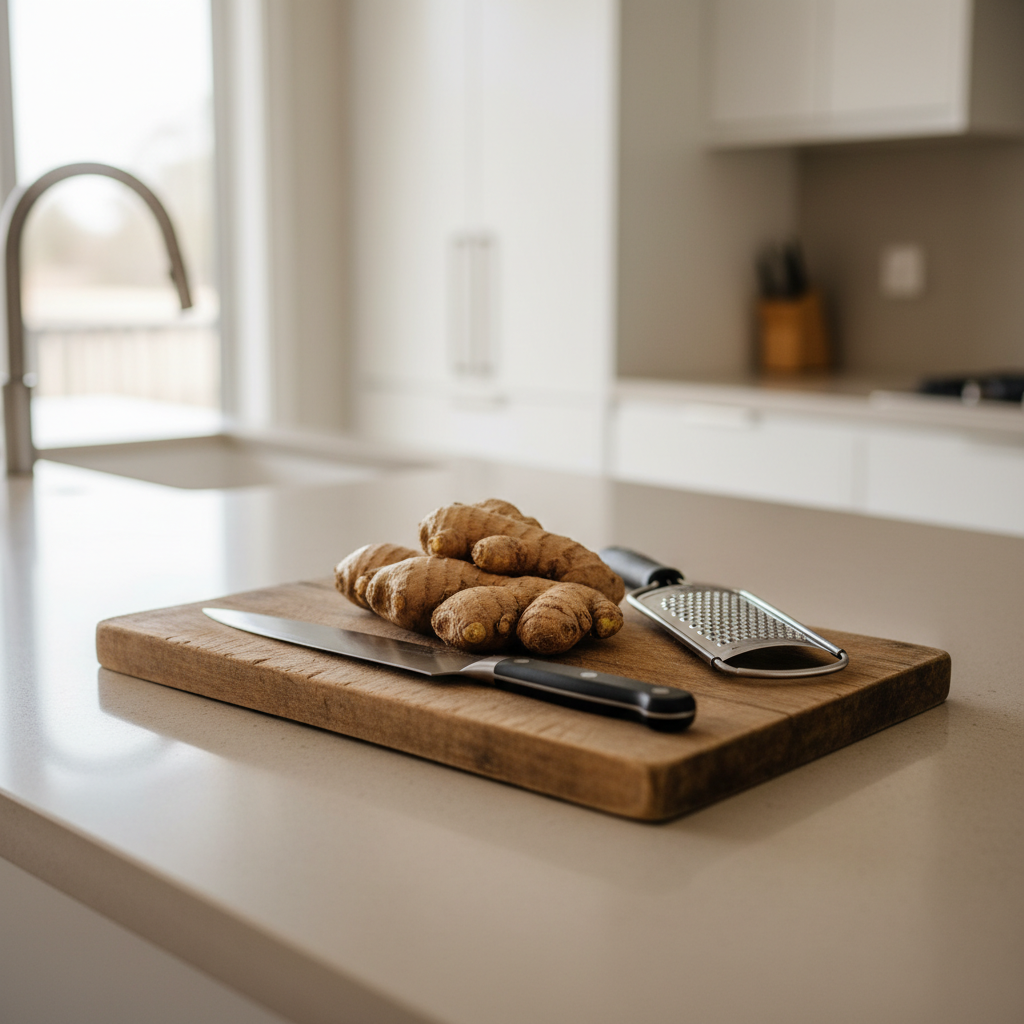
Why fresh ginger tastes “too strong” (and how to control it)
Fresh ginger brings heat, citrusy brightness, and a little bitterness. If it tastes sharp or medicinal, it’s usually a technique issue, not the ginger “going bad.”
- Cut size changes the flavor. Grated ginger releases more juice and heat, sliced coins stay gentler and more aromatic.
- Raw vs cooked matters. Raw ginger reads hotter; a few minutes of cooking rounds it out.
- Old ginger can get fibrous. It still works, but you may prefer grating and squeezing the juice, or simmering slices then removing them.
- Too much too early can dominate the pan, especially in simple dishes like eggs or plain rice.
According to the USDA Food Safety and Inspection Service (USDA FSIS), food safety basics still apply: keep prep surfaces clean and avoid cross-contamination when you’re handling raw proteins alongside aromatics like ginger.
Fast prep: peel, cut, and store ginger without waste
If you want ginger recipes to feel effortless, this is the part that pays off. Do it once, then cooking gets easy for the rest of the week.
Peeling and cutting shortcuts
- Peel with a spoon to get into the knobby spots without sacrificing half the root.
- Slice for simmering (soups, tea), mince for stir-fries, grate for sauces and marinades.
- If it’s very fibrous, grate then press through a fine strainer to use the juice.
Storage that actually works
- Fridge (short term): wrap tightly and keep in a produce drawer to slow drying.
- Freezer (best for most homes): freeze the whole knob, then grate from frozen as needed.
- Portion packs: freeze 1-teaspoon mounds of grated ginger on a tray, then store in a bag.
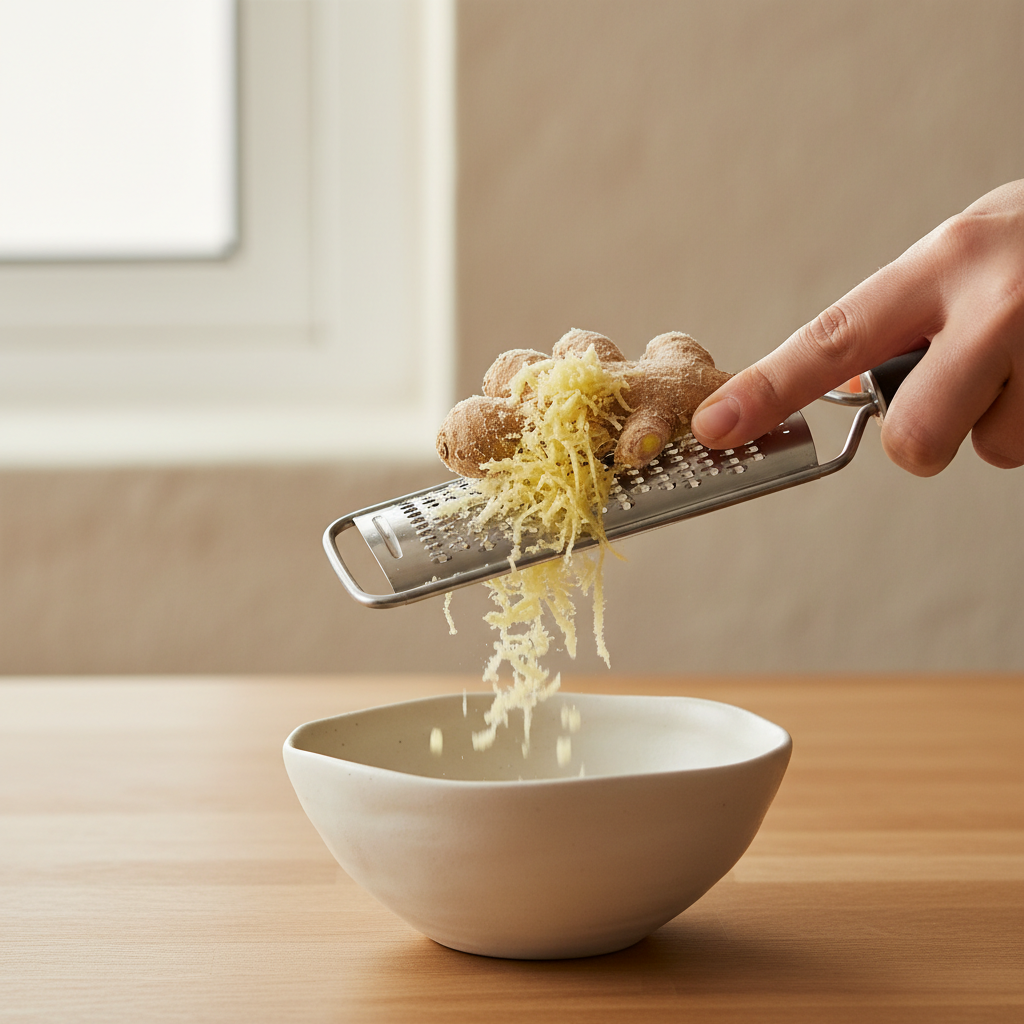
Quick reference table: which ginger form to use (and where)
People get stuck because recipes say “ginger” but don’t clarify the texture goal. Use this as a cheat sheet.
| Ginger form | Best for | Flavor impact | Pro tip |
|---|---|---|---|
| Sliced coins | Tea, broths, soups | Gentle, aromatic | Simmer then remove slices for a cleaner finish |
| Matchsticks (julienne) | Stir-fries, salads, noodle bowls | Bright, noticeable bites | Soak 5 minutes in cold water to mellow bite |
| Minced | Weeknight sautés, fried rice | Balanced heat | Add with garlic but don’t burn, lower heat if pan is very hot |
| Grated | Sauces, marinades, dressings | Strongest, juiciest | Start small, you can always add more |
| Ginger juice (pressed) | Cocktails, quick sauces | Clean heat, no fibers | Press grated ginger through a fine strainer |
A quick self-check before you cook with ginger
If a ginger dish keeps turning out “off,” it’s usually one of these. Run through this list before you change the whole recipe.
- Am I using grated ginger when the dish would be better with slices or minced?
- Did I add ginger to very hot oil and scorch it before other ingredients went in?
- Am I pairing it with enough fat (sesame oil, coconut milk) or sweetness (honey, brown sugar) to round the heat?
- Did I salt the dish enough? Under-salting makes ginger feel louder.
- Is my ginger dry and stringy? If yes, juice it or simmer slices and discard.
Go-to fresh ginger recipes you can repeat
These are built for real kitchens: short ingredient lists, flexible swaps, and clear ginger amounts so you stay in control. If you like stronger heat, scale up gradually.
1) Weeknight ginger-garlic stir-fry sauce (all-purpose)
Use it on: chicken, tofu, shrimp, broccoli, green beans, mixed veggies.
- 2 tsp grated fresh ginger
- 2 cloves garlic, minced
- 3 tbsp low-sodium soy sauce
- 1 tbsp rice vinegar or lime juice
- 1–2 tsp honey or brown sugar
- 1 tsp toasted sesame oil
- 1–2 tsp cornstarch + 3 tbsp water (optional, for gloss)
Whisk, then pour into a hot pan during the last 1–2 minutes of cooking. If you’re new to ginger recipes, keep it at 2 teaspoons, then adjust next time.
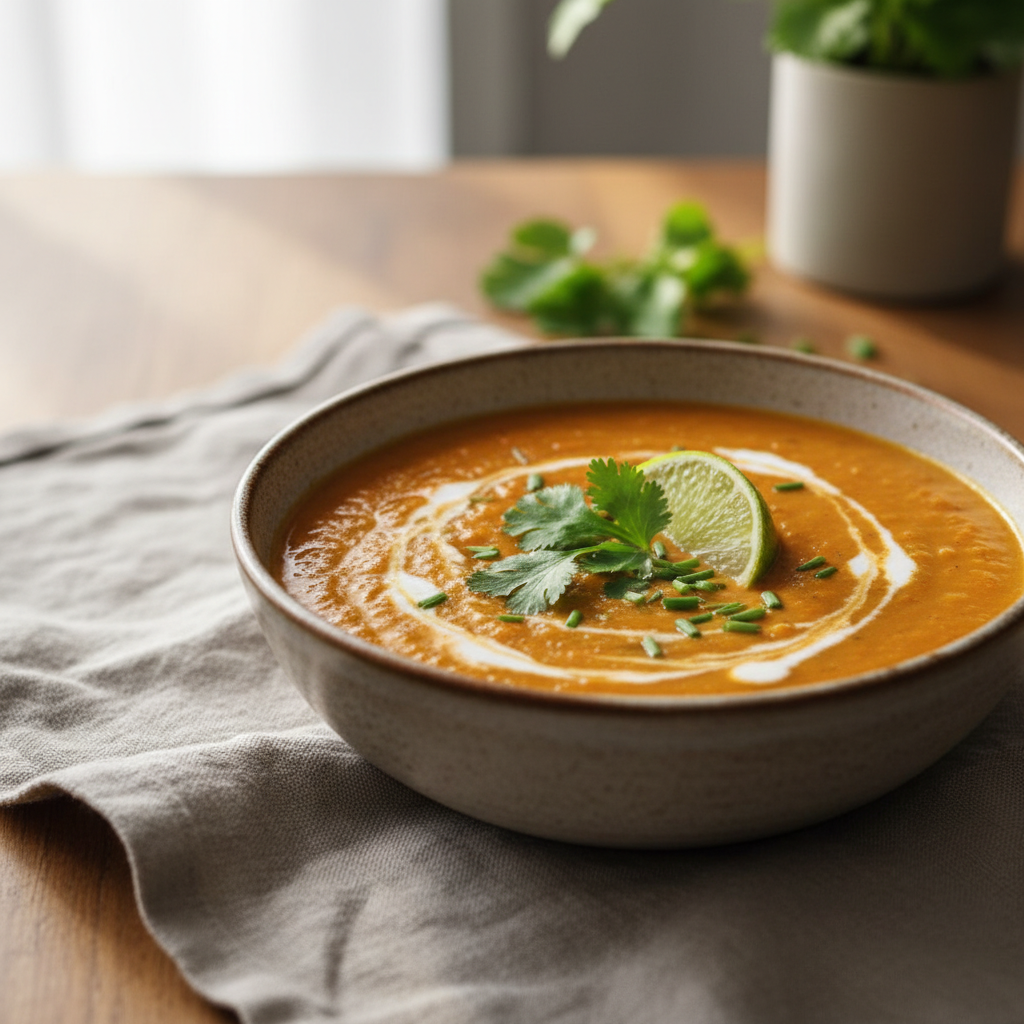
2) Fresh ginger coconut lentil soup (cozy and forgiving)
- 1 tbsp minced ginger
- 1 onion, chopped
- 2 carrots, chopped
- 1 cup red lentils, rinsed
- 4 cups broth (veg or chicken)
- 1 can coconut milk
- Salt, black pepper, optional lime
Sauté onion, carrots, and ginger until fragrant, add lentils and broth, simmer until soft, stir in coconut milk. Ginger stays present but not aggressive because the coconut mellows it.
3) Ginger-scallion oil (the 10-minute flavor “button”)
Great on: eggs, rice, noodles, roasted veggies, salmon.
- 1/2 cup sliced scallions
- 1 tbsp finely minced ginger
- 1/3 cup neutral oil (avocado, grapeseed)
- Pinch salt
Warm oil just until shimmering, pour over scallions and ginger in a heatproof bowl, add salt, stir. Let it sit 5 minutes. This is one of those ginger recipes that makes plain food feel “finished.”
4) Simple honey-lemon ginger tea (no special gear)
- 6–8 ginger slices (or 1–2 tsp grated)
- 2 cups water
- Honey and lemon to taste
Simmer slices 8–10 minutes, then sweeten and add lemon off heat. If you’re using ginger for digestion or nausea, effects vary and it’s smart to check with a clinician if you’re pregnant, on blood thinners, or managing a condition.
5) Sheet-pan ginger soy salmon (minimal cleanup)
- 1.5 lb salmon fillet
- 2 tsp grated ginger
- 2 tbsp soy sauce
- 1 tbsp maple syrup or honey
- 1 tbsp lime juice
- Green beans or broccoli on the same pan
Brush the glaze on salmon, toss veggies with a little oil and salt, roast until the fish flakes. Ginger is there, but the maple and soy keep it balanced.
Practical “build your own” ideas (when you don’t want a recipe)
When people say they want more ginger recipes, many times they really want a repeatable method that survives ingredient swaps.
- Stir-fry formula: ginger + garlic + soy + acid (rice vinegar/lime) + touch sweet, finish with sesame oil.
- Soup formula: ginger slices simmered in broth, add a creamy element (coconut milk or blended beans), finish with citrus.
- Salad dressing: grated ginger + olive oil + rice vinegar + a little honey + salt.
- Breakfast: ginger-scallion oil on eggs, or add a pinch of grated ginger to oatmeal with maple and walnuts.
Key takeaway: if you’re unsure, start with less ginger, then add at the end. Taking it out is the hard part.
Common mistakes (and how to avoid them)
- Burning the aromatics: ginger scorches fast; lower heat or add it with wetter ingredients.
- Using only grated ginger everywhere: it’s powerful; switch to minced or sliced for gentler dishes.
- Skipping balance: ginger likes salt, fat, and acid; without them it can taste harsh.
- Over-peeling: a spoon peel keeps more usable ginger.
- Forgetting texture: fibrous ginger can feel stringy; press for juice or simmer slices and discard.
When it makes sense to ask a professional
If you’re using ginger for a health goal, or you notice symptoms after eating it, it’s worth getting personalized advice. Ginger can interact with some medications and may not fit every situation, so checking with a registered dietitian or your clinician is a safer move than guessing.
Conclusion: make ginger an “every week” ingredient
Once you treat ginger as a set of techniques rather than a single flavor, it gets easier: freeze a knob, decide whether you want sliced, minced, or grated, then lean on a couple of sauces and soups you actually enjoy.
If you cook one thing this week, try the ginger-garlic stir-fry sauce and keep the rest of the ginger in the freezer, that single habit tends to unlock a lot more weeknight ginger recipes without extra planning.
FAQ
- How much fresh ginger should I use in ginger recipes?
For most weeknight dishes, 1–2 teaspoons minced or grated is a reasonable starting point for 2–4 servings, then adjust based on your heat tolerance and the dish’s richness. - Can I substitute ground ginger for fresh ginger?
Sometimes, especially in baked goods, but the flavor is different. Ground ginger reads warmer and less bright, while fresh adds a sharper, citrusy note; start small because the swap is not 1:1. - Do I have to peel fresh ginger?
Not always. Thin-skinned young ginger often works unpeeled if scrubbed well, but older ginger skin can be tough; peel when texture matters. - Why does my ginger taste bitter?
Bitter notes often come from scorching minced or grated ginger in hot oil, or from using a lot of ginger without enough salt, fat, or acidity to balance it. - What proteins pair best with ginger?
Chicken, salmon, shrimp, tofu, and pork commonly work well because they handle bold aromatics, then a soy-citrus or honey-lime balance keeps flavors clean. - What’s the easiest way to store ginger so it doesn’t mold?
Freezing the whole root is low-effort and reliable in many home kitchens, then grate what you need; just keep it well wrapped to avoid freezer burn. - Is ginger tea safe to drink every day?
For many people it’s fine in moderate amounts, but tolerances vary. If you’re pregnant, have reflux, take blood thinners, or manage a chronic condition, it’s smart to ask a clinician.
If you’re trying to use up ginger without turning every meal into “ginger everything,” keep a small rotation: one sauce, one soup, one drink. That’s usually enough variety to stay interested while still making grocery shopping simpler.