
how to make roasted vegetables tasty comes down to a few controllable levers: moisture, heat, spacing, and seasoning timing, not a secret spice blend you have to buy.
If your sheet pan veggies keep turning out soft, pale, or weirdly watery, you’re not alone, roasting looks simple but punishes small mistakes, especially overcrowding and underheating. The good news is once you fix the process, almost any vegetable can come out browned, sweet, and savory with very little effort.
This guide breaks down what actually changes flavor in the oven, how to choose cuts and temps by vegetable type, and a set of go-to seasonings you can mix and match. You’ll also get a quick troubleshooting checklist for the most common “why is this bland” situations.
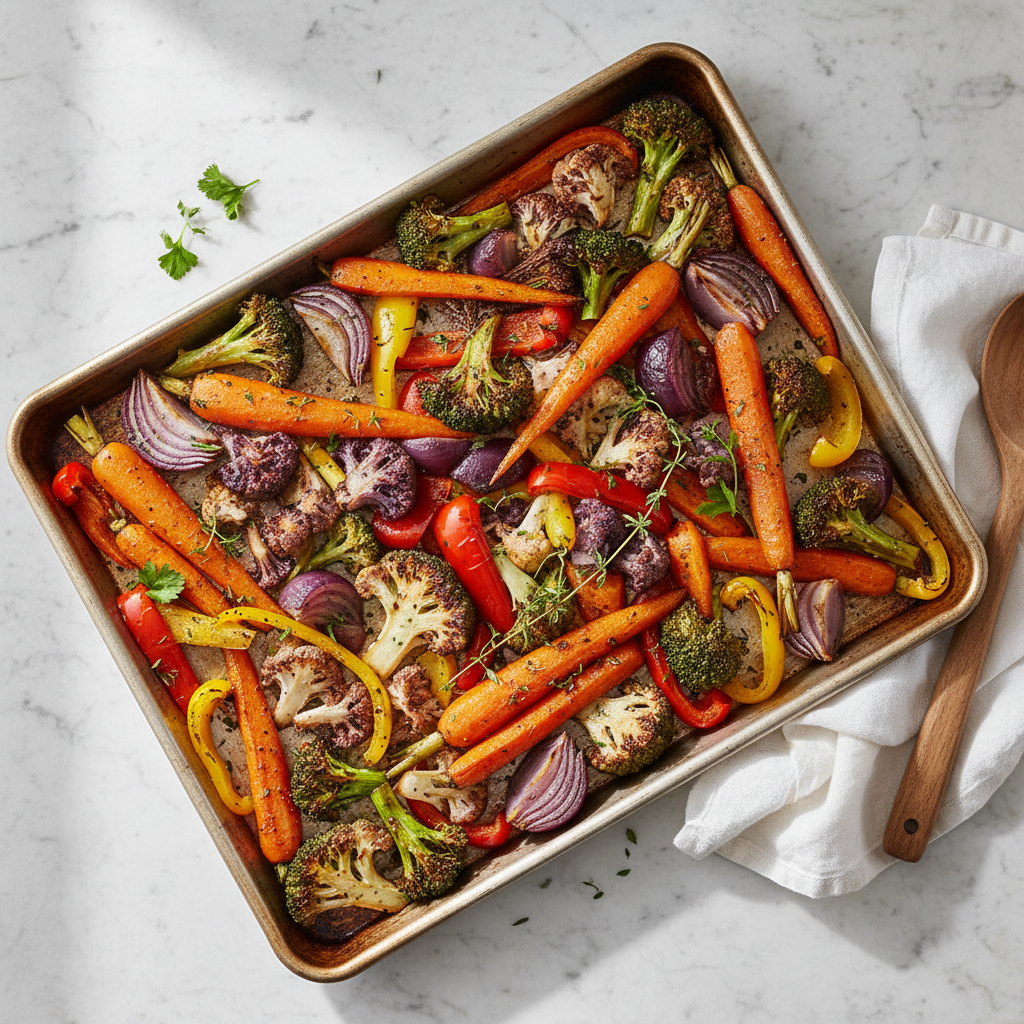
What “tasty” roasting really means (and what usually ruins it)
Most people think tasty roasted vegetables means “more seasoning,” but the bigger driver is browning, that toasty, slightly sweet edge you get when dry heat concentrates sugars and creates savory notes. When vegetables steam instead of roast, you lose that.
Two practical signals you’re on track: you see deep golden spots on flat surfaces, and the pan has some browned bits, not puddles of liquid. According to USDA, cooking methods that reduce surface moisture and use higher dry heat tend to promote browning and flavor development, which is exactly what roasting is trying to do.
- Steaming on the pan: too crowded, too much moisture, or a pan that never gets hot.
- Blah flavor: not enough salt, seasoning added at the wrong time, or no acid/fat balance.
- Mushy centers: cut size too small, or you roasted a “watery” veg without adjustments.
Pick the right vegetables, then cut them for browning
Vegetable choice matters less than you’d think, but water content and density change the approach. If you’re learning how to make roasted vegetables tasty, start with vegetables that brown easily, then branch out.
Easy wins (brown fast, taste sweet)
- Broccoli, cauliflower
- Brussels sprouts
- Carrots, sweet potatoes
- Red onion, bell peppers
Trickier (higher water or delicate)
- Zucchini, summer squash, mushrooms
- Eggplant
- Asparagus
- Frozen vegetables (still workable, just different rules)
Cut size is where most trays go sideways. Smaller pieces cook faster but can dehydrate before browning well, while huge chunks brown on the outside and stay hard inside.
- Aim for 1/2-inch to 1-inch thickness for most dense vegetables.
- Maximize flat surfaces: halved Brussels sprouts, cauliflower “steaks,” broccoli cut with longer flat sides.
- Group by cook time: put carrots and potatoes on one pan, zucchini and peppers on another.
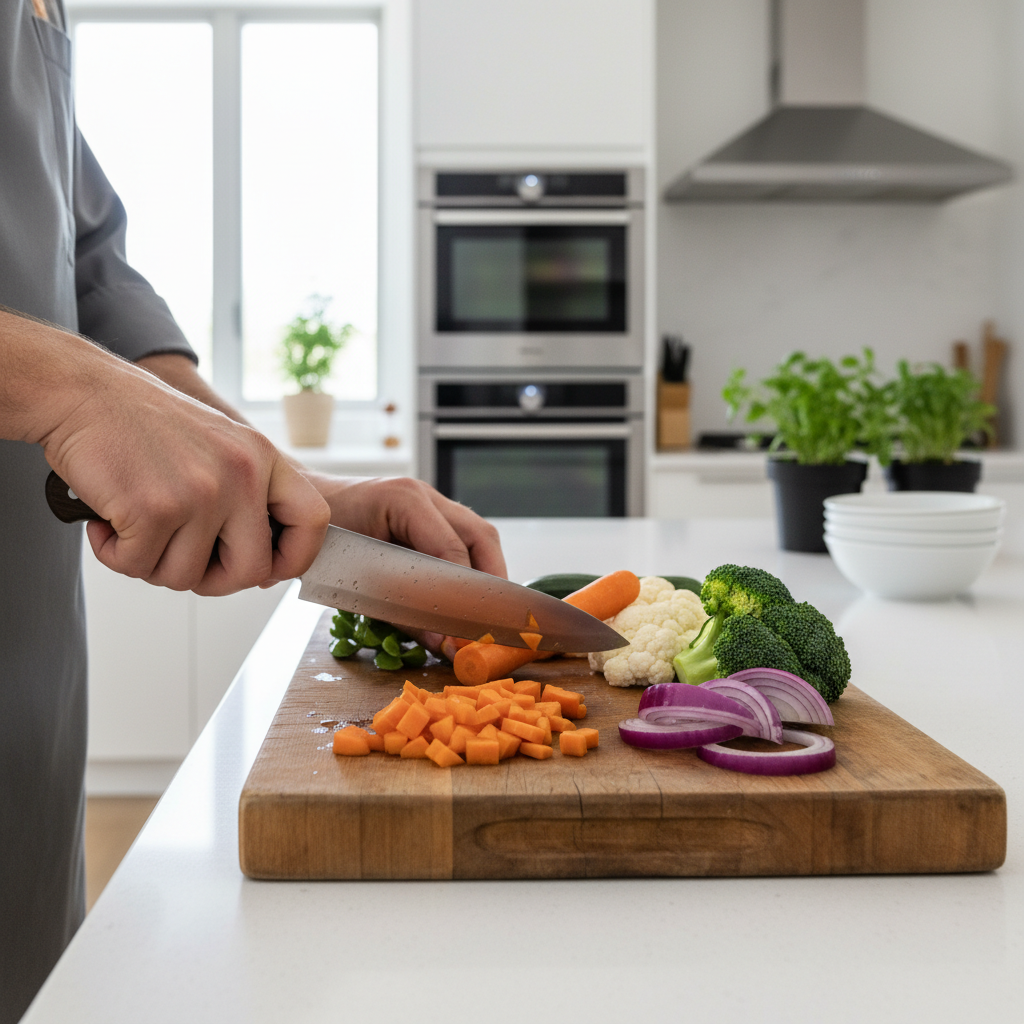
The roasting formula: temperature, pan, oil, and spacing
If you only change one thing, change this: higher heat + more space. That combo is the backbone of how to make roasted vegetables tasty without turning dinner into a project.
Temperature and rack position
- 425°F works for most trays, it’s hot enough to brown but not so aggressive that everything scorches instantly.
- Use the upper-middle rack for better browning on top while still heating the pan.
- If your oven runs cool (common), consider 450°F and start checking earlier.
Preheat more than the oven
Preheat the oven fully, then let it sit a few extra minutes. For even more browning, you can preheat the sheet pan too, just be careful when adding oil and vegetables to a hot pan to avoid splatter.
Pan choice
- Rimmed half-sheet pan (heavy-gauge) is the standard, it heats evenly and doesn’t warp.
- Skip crowded glass casseroles for most roasting, they often trap moisture and promote steaming.
Oil: how much, and which type
You don’t need to drown vegetables, but you do need enough oil to help heat transfer and carry seasoning. A common sweet spot is 1 to 2 tablespoons oil per pound of vegetables, adjusted for surface area.
- Olive oil: great flavor, solid for 425°F roasting in many home kitchens.
- Avocado oil: more neutral, handles high heat comfortably.
- Ghee: deeper flavor, nice for carrots and cauliflower.
Spacing rules (this is the boring part that changes everything)
- Use one layer, no piles.
- Leave visible pan space between pieces, especially for high-water vegetables.
- If you’re doubling a recipe, use two pans, don’t “make it fit.”
Seasoning that tastes bold, not dusty: when to salt, spice, and finish
Seasoning strategy is the difference between “spiced air” and real flavor. Many spices taste flat if they burn, and many herbs taste dull if they dry out for 30 minutes.
Base seasoning (works on almost everything)
- Kosher salt (more than you think, but not all at once)
- Black pepper
- Garlic powder (more forgiving than fresh garlic at high heat)
Add these before roasting (they handle heat)
- Smoked paprika, cumin, chili powder
- Ground coriander, curry powder
- Dried thyme, dried oregano
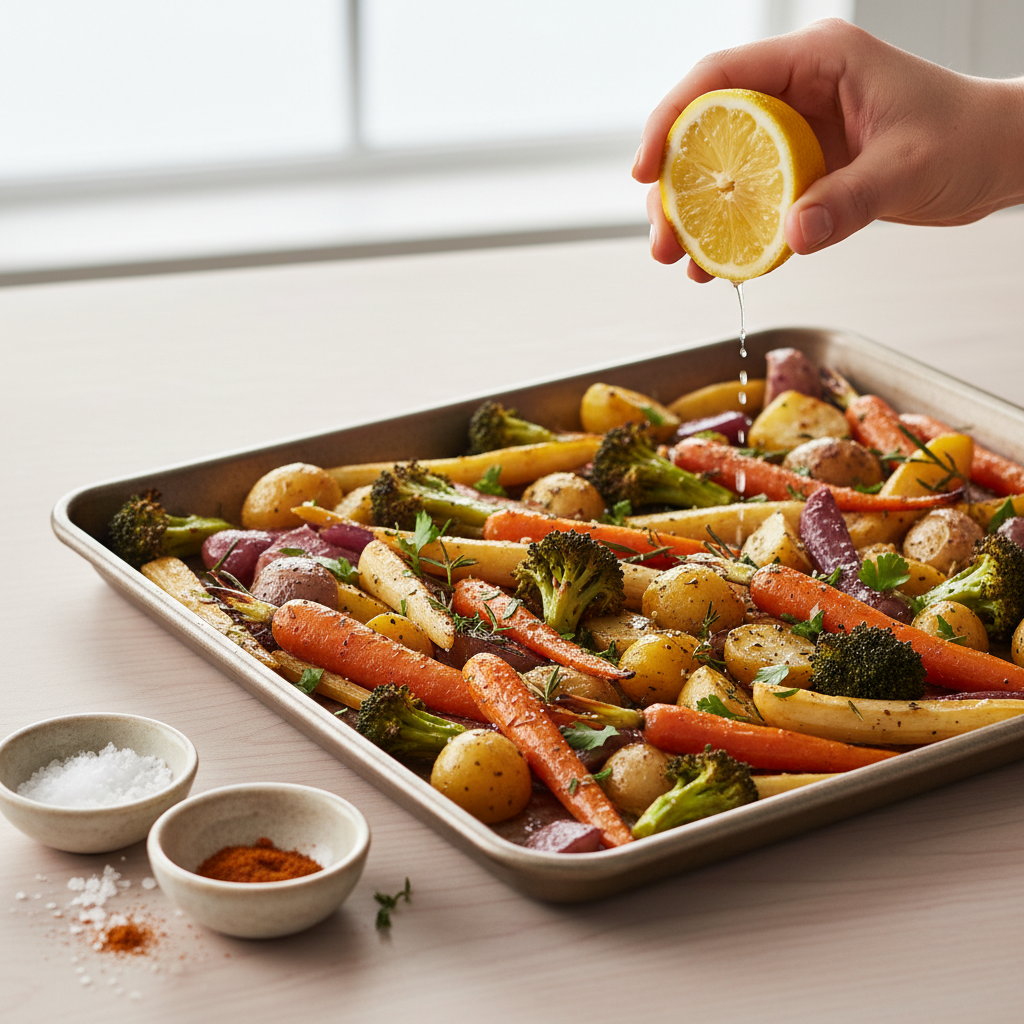
Add these after roasting (they stay bright)
- Lemon juice or zest
- Vinegar (balsamic, red wine, sherry)
- Fresh herbs (parsley, cilantro, dill, basil)
- Finishing salt, flaky if you have it
That last step matters because it adds contrast. A tray can be perfectly roasted and still taste muted without a little acid or a salty crunch at the end.
Quick guide table: time and temp by vegetable
Ovens vary, so treat these as starting points, then follow the visuals: browning on edges, fork-tender centers, and no watery pooling. If you’re figuring out how to make roasted vegetables tasty consistently, keeping a little chart like this saves mental energy.
| Vegetable | Cut | Oven | Approx. time | Best flavor finish |
|---|---|---|---|---|
| Broccoli | Florets with flat sides | 425°F | 18–25 min | Lemon + parmesan |
| Cauliflower | Florets or “steaks” | 425–450°F | 22–35 min | Tahini + cumin |
| Carrots | 1/2-inch coins or batons | 425°F | 25–35 min | Honey + chili flakes |
| Brussels sprouts | Halved | 425°F | 22–30 min | Balsamic + bacon bits |
| Sweet potato | 3/4-inch cubes | 425°F | 25–40 min | Lime + cumin |
| Zucchini | Thick half-moons | 450°F | 12–18 min | Feta + oregano |
| Mushrooms | Halved or thick slices | 450°F | 15–25 min | Soy + scallion |
Self-check: why your roasted vegetables still taste “meh”
Before you buy a new seasoning blend, check the basics. These are the issues that show up most in real kitchens.
- Your pan is crowded: if pieces touch, you’re steaming, use two pans.
- You started with wet vegetables: rinsed and tossed straight into oil tends to trap water, pat dry when possible.
- You used too little salt: vegetables need enough salt to taste like themselves, not like warm water.
- You used fresh garlic too early: it can burn and taste bitter, use powder or add fresh at the end.
- You didn’t finish with acid: a squeeze of lemon or a splash of vinegar wakes up roasted flavors fast.
- You pulled them too early: pale vegetables rarely taste deep, give them time to actually brown.
Practical step-by-step: a repeatable “tasty tray” method
This is the routine I’d give anyone who wants how to make roasted vegetables tasty without thinking too hard on a weeknight.
Step 1: Preheat and set up
- Heat oven to 425°F.
- Line a heavy sheet pan with parchment for easier cleanup, or go bare for maximum browning.
Step 2: Prep vegetables for roasting, not steaming
- Cut to even sizes with some flat faces.
- Pat dry high-water vegetables if you can.
Step 3: Season in a bowl, then spread
- Toss vegetables with oil, salt, pepper, and one heat-friendly spice.
- Spread into a single layer with space.
Step 4: Roast, then flip once
- Roast until browning starts, then flip or stir once for even color.
- Keep going until edges look deep golden, not just “cooked.”
Step 5: Finish for restaurant-level flavor
- Add lemon or vinegar, taste, then adjust salt.
- Optional boosters: grated parmesan, toasted nuts, feta, fresh herbs.
Safety and dietary notes (small things that matter)
Roasting is generally straightforward, but a couple cautions save trouble. Use oven mitts when handling hot pans, and be careful adding oil to a preheated sheet pan to reduce splatter risk. If you have specific dietary needs, sodium limits, or medical concerns, it’s smart to ask a qualified professional about how much salt or fat fits your situation.
Also, some oils and seasonings smoke at high heat, if your oven smokes, lower the temperature slightly and extend cook time, or switch to a higher-heat oil.
Key takeaways (keep these on your fridge)
- Space beats seasoning: a crowded pan tastes steamed.
- 425°F is a reliable default, go hotter for watery vegetables.
- Cut for flat surfaces so you get browning.
- Finish with acid to make flavors pop.
- Separate fast and slow vegetables so nothing turns mushy.
Once you get the process right, how to make roasted vegetables tasty stops being a mystery and turns into a simple rotation of vegetables, a few spice profiles, and a bright finish. Pick one tray to practice this week, keep the heat high, give everything room, and don’t skip the lemon or vinegar at the end.
If you want an easy next step, try a “two-pan” dinner: one pan of carrots and cauliflower with cumin, the other pan of broccoli with garlic powder, then finish both with lemon and a little cheese, it’s low effort and you’ll immediately taste the difference.