
Pork recipes can be genuinely quick when you pick the right cut, use high heat, and lean on a simple sauce or spice blend instead of a long marinade. If you’ve ever ended up with dry chops or a pan full of gray “boiled” meat, the good news is it’s usually a method problem, not you.
What makes pork tricky is that different cuts behave wildly differently, and a “one-size-fits-all” recipe often fails on a weeknight. A tenderloin cooks fast and forgiving, while shoulder needs time, and chops punish you when heat is too low or you flip too often.
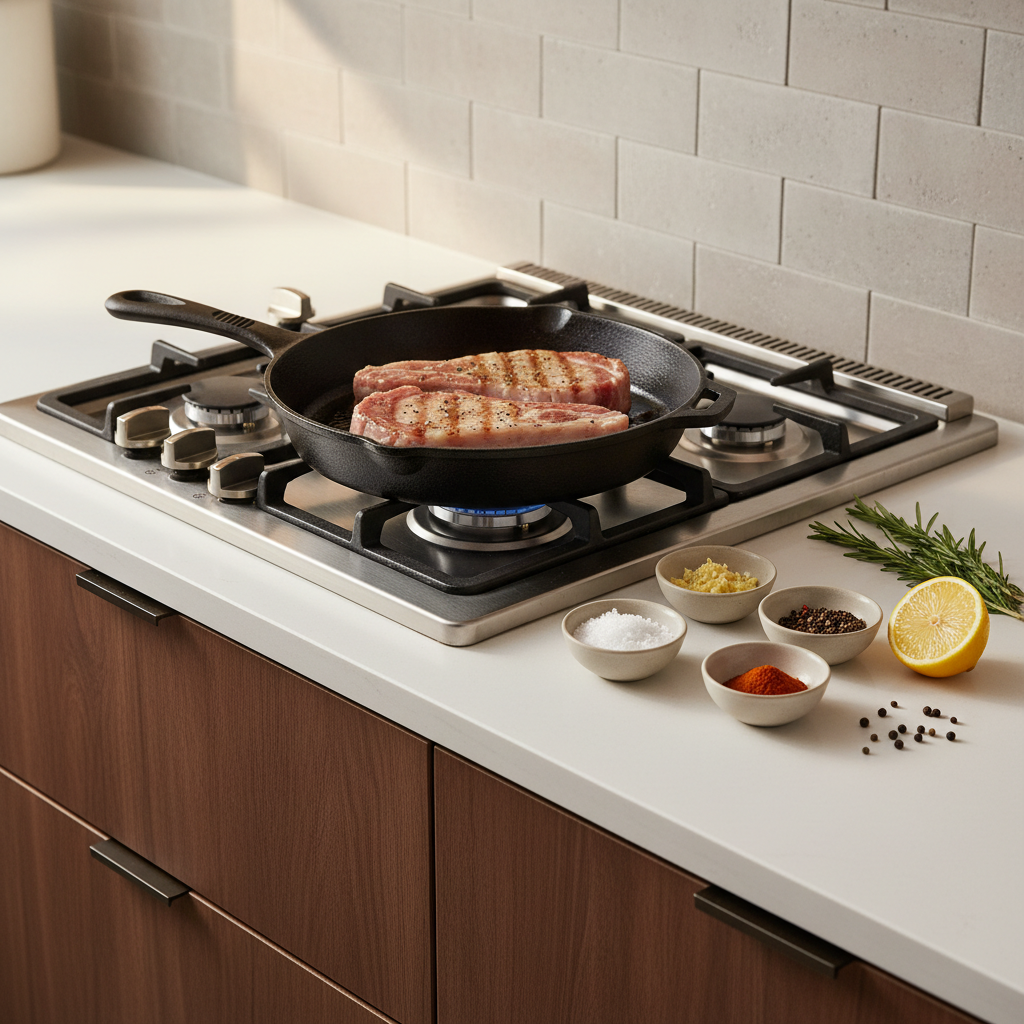
This guide focuses on fast, realistic dinners: what to buy, how to tell when it’s done, and a handful of reliable flavor “tracks” you can repeat. You’ll also get a quick table of cook times and a short checklist to prevent the usual dryness.
Pick the right cut for a truly quick dinner
If you want speed, start at the grocery case with a plan. “Pork” isn’t one thing; the cut decides your timeline more than the recipe does.
- Fastest and easiest: pork tenderloin, thin-cut pork chops, ground pork
- Fast but needs attention: regular pork chops, pork loin steaks, cutlets
- Not weeknight-quick (unless pre-cooked): shoulder/butt, ribs, fresh ham
When in doubt, buy thinner pieces or ask the butcher to slice cutlets. A thin cut gives you a bigger margin for “done and juicy” in 10–15 minutes.
Quick cook-time cheat sheet (table)
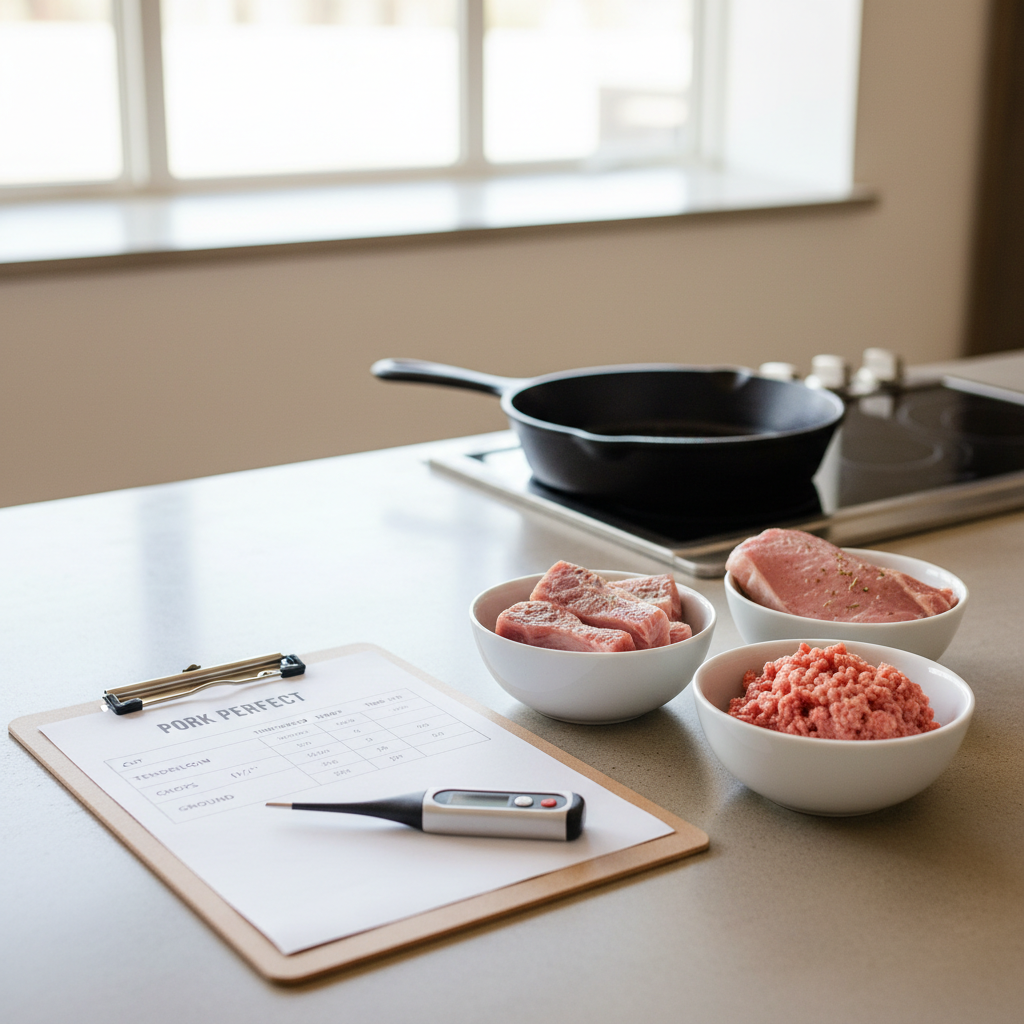
Use this as a starting point, then confirm with temperature. Cook time shifts with thickness, pan material, and whether meat started cold from the fridge.
| Cut | Typical thickness | Method | Rough time | Best finishing move |
|---|---|---|---|---|
| Tenderloin medallions | 1 inch | Skillet sear | 6–10 min | Pan sauce, 3–5 min rest |
| Thin-cut chops | 1/2 inch | Skillet | 6–8 min | Quick glaze |
| Regular chops | 3/4–1 inch | Sear + brief cover | 10–16 min | Rest + spoon sauce |
| Ground pork | N/A | Skillet crumbles | 6–10 min | Toss with sauce |
| Pork cutlets | 1/4 inch | Quick fry/saute | 3–6 min | Lemon + herbs |
Why “quick pork” goes wrong (and how to spot it early)
Most weeknight failures come from a few predictable patterns. Fix these and a lot of pork recipes suddenly feel “easy.”
- Heat too low: pork steams instead of browning, then dries out while you wait for color.
- Skipping seasoning time: salting right before cooking is fine, but giving it 10–20 minutes helps flavor and texture.
- Overcooking “just in case”: pork isn’t the old-school “cook to gray” meat anymore.
- Wrong pan strategy: constant flipping, crowded pan, or a nonstick pan that can’t build fond for sauce.
According to USDA Food Safety and Inspection Service, whole cuts of pork are considered safe at 145°F with a 3-minute rest. Ground pork typically needs a higher final temperature for safety, so check current USDA guidance if you’re unsure.
Self-check: which quick pork situation are you in?
Pick the closest match, then jump to the solution. This saves you from forcing a “tenderloin method” onto a thick chop.
- I have thin chops and 15 minutes: high-heat sear, fast glaze, no oven.
- I have thick chops and fear dryness: sear, then gentle finish (lid or oven) and rest.
- I have ground pork: brown hard, drain if needed, then sauce aggressively.
- I only have a tenderloin: slice into medallions for speed, or roast whole if you can spare 20–25 minutes.
If you don’t own an instant-read thermometer, this is where quick cooking gets stressful. You can still cook by feel, but your “fast and juicy” window gets narrower.
Five quick pork recipes you can rotate all month
These are written like weeknight playbooks: what to do, what to watch, and how to finish. Each stays flexible so you can swap sides or pantry items.
1) Honey-garlic pork chops (sticky, fast, no marinade)
- Best cut: thin-cut chops
- Flavor: sweet + savory, kid-friendly
Pat chops dry, season with salt and pepper, then sear in a hot skillet with a little oil. Lower heat, add minced garlic for 20–30 seconds, then add honey and a splash of vinegar (or lemon). Turn chops to coat, and pull them as soon as they hit a safe temperature, then rest a few minutes so juices settle.
2) Lemon-herb cutlets (the “3-minute per side” dinner)
- Best cut: cutlets or pounded chops
- Flavor: bright, fresh, not heavy
Dust lightly with flour if you want a delicate crust, then saute quickly. Finish with lemon juice, a knob of butter, and chopped parsley or dill. This is one of those pork recipes that tastes restaurant-y even though it’s basically pan + citrus + herb.
3) Spicy ground pork rice bowls (pantry sauce, big payoff)
- Best cut: ground pork
- Flavor: spicy-sweet, customizable
Brown ground pork hard to build flavor, then stir in soy sauce, a little sugar or honey, and chili crisp or red pepper flakes. Add quick veg like shredded carrots or bagged slaw at the end so it stays crisp. Serve over rice, noodles, or even lettuce cups.
4) Tenderloin medallions with mustard pan sauce
- Best cut: pork tenderloin
- Flavor: tangy, “grown-up” comfort
Slice tenderloin into thick coins, season, sear, then pull to rest. In the same pan, add a splash of broth (or water), scrape up browned bits, and stir in Dijon plus a little cream or yogurt. Keep it gentle so the sauce stays smooth.
5) Sheet-pan pork and veggies (hands-off, still quick)
- Best cut: chops or pre-cut tenderloin pieces
- Flavor: roast-y, minimal babysitting
Toss veggies with oil, salt, pepper, and a spice blend, start them first if they’re dense. Add pork halfway through so everything finishes together. This is the low-drama option when you need dinner but don’t want to stand at the stove.
Practical workflow: how to get pork on the table in 25 minutes
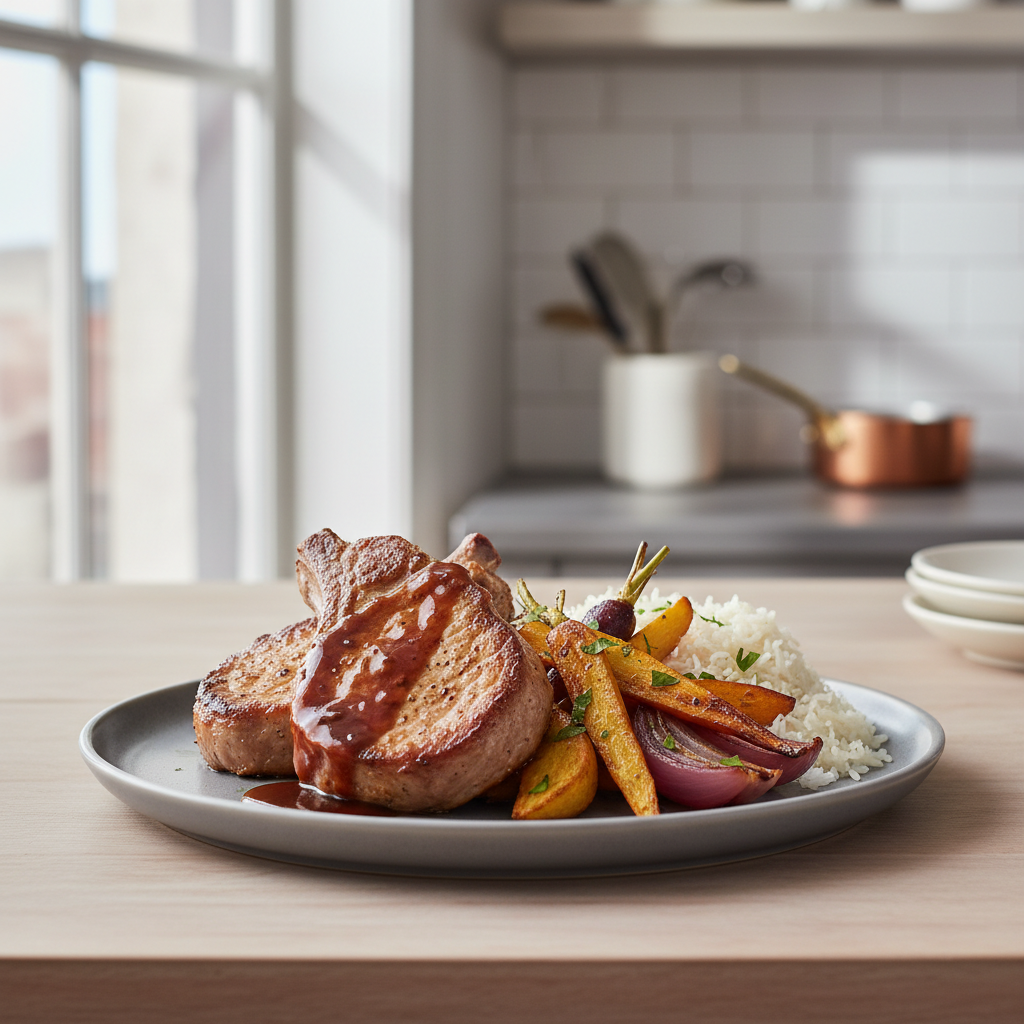
This is the “don’t think too hard” flow that keeps quick cooking actually quick.
- Minute 0–3: pick your cut, pat dry, salt and pepper, start heating the pan.
- Minute 3–8: sear, don’t move it until you see browning.
- Minute 8–15: finish gently (lower heat, lid, or brief oven), cook sides at the same time.
- Minute 15–20: rest meat, build a sauce in the same pan.
- Minute 20–25: slice, sauce, serve.
Key point: resting isn’t “extra time,” it’s when you make the sauce and plate sides. That’s how many fast pork recipes stay juicy without slowing you down.
Common mistakes (and what to do instead)
- Mistake: cooking cold meat straight from the fridge. Instead: give it 10 minutes on the counter while you prep, it tends to cook more evenly.
- Mistake: using too little heat for browning. Instead: preheat the pan, then adjust down after you get color.
- Mistake: chasing “no pink.” Instead: use a thermometer; pork can look slightly pink and still be safe, depending on temperature and rest.
- Mistake: overcrowding the pan. Instead: cook in batches so moisture doesn’t steam the surface.
If you’re cooking for someone pregnant, immunocompromised, or otherwise high-risk, it’s smart to be more conservative and ask a qualified professional for guidance tailored to their situation.
Conclusion: make quick pork your repeatable weeknight win
Quick pork dinners stop feeling random when you match the cut to the method, aim for good browning, and rely on a simple pan sauce to do the heavy lifting. Pick one “sticky” option, one “bright” option, and one ground pork bowl, then rotate based on what’s on sale.
If you want one action step, buy an instant-read thermometer and keep a go-to sauce formula in your head, your pork recipes get easier almost overnight.