
Kid friendly meals can feel like a daily negotiation when you’re feeding a picky eater, especially if it seems like your child rotates the same three foods and rejects everything else. The good news is you usually don’t need “fancier” recipes, you need a smarter pattern: predictable structure, tiny changes, and repeat exposure without pressure.
This matters because picky phases can stretch for months, and mealtime stress tends to make eating even more rigid. Many families end up cooking separate meals, cutting out food groups, or turning dinner into a power struggle, none of which helps long term.

In this guide, you’ll get a realistic way to diagnose what’s going on, build a short list of reliable meals, and gradually widen variety without making your kitchen feel like a short-order diner. If you suspect sensory issues, anxiety, or growth concerns, you’ll also see when it’s worth looping in a professional.
Why picky eating happens (and what it usually is not)
Picky eating is common, but the “why” changes what works. Before you overhaul dinner, it helps to separate normal developmental behavior from signs that a child may need extra support.
- Developmental caution: Many kids become more wary of new foods as they gain independence. It can look stubborn, but it’s often a normal phase.
- Sensory sensitivity: Texture, mixed foods, temperature, or strong smells can be the real trigger, not taste.
- Hunger timing: Skipped snacks or constant grazing can both backfire. Too hungry means meltdowns, too full means refusal.
- Control battles: When meals become high-stakes, kids often cling tighter to “safe foods.”
- Unrecognized discomfort: Constipation, reflux, or oral pain can reduce willingness to eat, and kids may not explain it clearly.
According to the American Academy of Pediatrics, parents should focus on offering balanced options and routines rather than forcing bites, while monitoring growth and overall nutrition. That framing is useful because it shifts the goal from “finish the plate” to “keep progress moving.”
A quick checklist: what kind of picky eater are you dealing with?
Not all picky eating needs the same plan. Use this quick self-check to decide what to try first.
- Limited-but-flexible: Eats a small set of foods but will try a new brand, shape, or sauce with little drama.
- Texture-driven: Rejects “mixed” foods, soggy items, or anything crunchy, regardless of flavor.
- Color/appearance-driven: Strong preference for beige foods, or refuses foods that touch.
- Schedule-driven: Eating varies wildly depending on naps, school pickup, sports, or after-school snacks.
- High-stress meals: Mealtime includes bargaining, threats, or tears more days than not.
If your child has weight loss, frequent choking/gagging beyond normal “new food” reactions, or a very restricted list (think fewer than ~10–15 foods for a long stretch), consider discussing it with your pediatrician. This isn’t about labeling, it’s about getting the right kind of help sooner.
Build your “safe + stretch” meal framework
For most families, the most sustainable formula for kid friendly meals is safe + stretch: include one or two foods your child reliably eats, plus one low-pressure “learning food” that you want to normalize.
Here’s what that looks like in practice:
- Safe foods: items your child will likely eat today (rice, bread, pasta, certain fruit, yogurt, chicken nuggets, etc.).
- Stretch food: a tiny portion of something adjacent (different shape pasta, a new dipping sauce, roasted carrots next to fries).
- Bridge: one “connector” element that makes the new item feel familiar (cheese, butter, a preferred seasoning).
The key is that the stretch food can be ignored without consequence. The win is exposure and comfort, not immediate consumption.
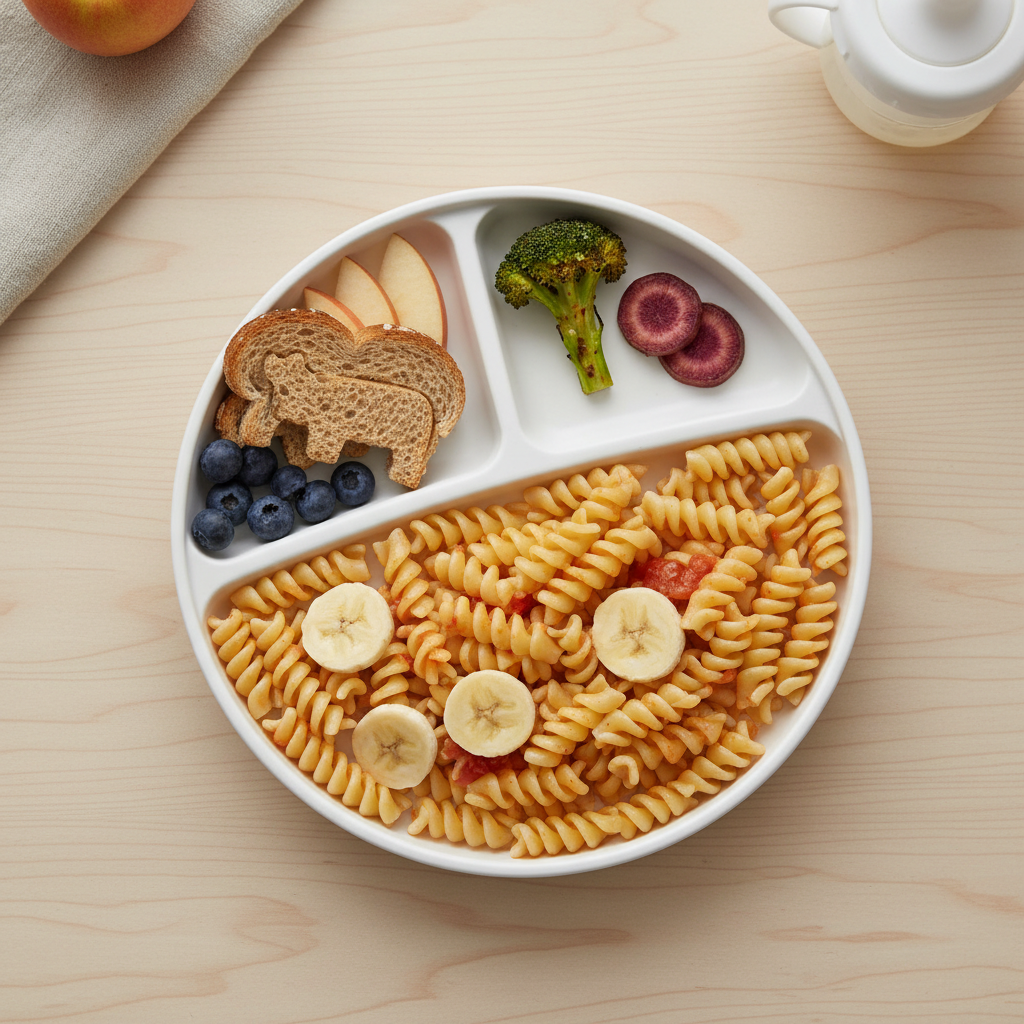
10 kid-friendly meal ideas that work well for picky eaters
These ideas prioritize predictable textures, easy customization, and quick prep. You can rotate them to reduce decision fatigue while still adding variety over time.
- Build-your-own tacos: tortillas + shredded chicken/beans + cheese + a “try” topping (corn, mild salsa).
- Breakfast-for-dinner: scrambled eggs, toast, fruit, optional yogurt.
- Pasta trio: plain pasta + butter/olive oil, plus a small cup of marinara to dip.
- Mini meatballs: serve with rice or noodles, add a small side of steamed broccoli with butter.
- Quesadillas: cheese base, then “half-and-half” fillings like chicken or spinach on one side.
- DIY lunch plates: crackers, deli turkey, cheese cubes, cucumber coins, fruit.
- Sheet-pan chicken and potatoes: keep seasonings mild, add a sauce on the side.
- Mac and cheese with a twist: stir in a small amount of puréed cauliflower or pumpkin, keep texture smooth.
- Salmon or fish sticks: pair with a familiar dip, add rice and peas.
- Smoothie + snack dinner (occasional): milk/yogurt smoothie plus peanut butter toast and berries, useful on tough nights.
If you’re trying to expand options, think “neighbor foods.” A child who accepts fries may tolerate roasted potato wedges, then sweet potato fries, then roasted sweet potato cubes. This is slow, but it’s real progress.
Swap table: easy ways to add variety without triggering refusal
Most picky eaters react more to surprise than to nutrition. Small swaps keep meals recognizable while widening exposure.
| Current “safe” food | Low-drama swap | Next step (if tolerated) |
|---|---|---|
| Chicken nuggets | Different brand/shape | Breaded chicken strips, then baked chicken bites |
| Plain pasta | Same pasta, new shape | Butter noodles + parmesan, then light marinara dip |
| Toast | Same bread, different cut | Add thin spread, then peanut butter or avocado mash |
| Apples | Apple slices with cinnamon | Pear slices, then mixed fruit bowl (foods can be separated) |
| Yogurt | Same flavor, different brand | Greek yogurt blended smooth, then add crushed granola on side |
Practical steps for calmer mealtimes (that actually fit real life)
When families ask for kid friendly meals, they often mean “meals my child will eat without a scene.” The food matters, but the routine matters more than most people want to admit.
1) Keep the menu predictable, not boring
Try a simple rotation: 6–10 reliable dinners, then repeat weekly. Repetition lowers anxiety. You can still add a stretch item in tiny amounts.
2) Use the two-choice rule
Instead of open-ended questions, offer two acceptable options: “Do you want pasta or rice?” You stay in charge of the options, your child gets control inside the boundary.
3) Serve sauces on the side
Many kids reject mixed textures. Put marinara, gravy, yogurt dip, or ranch in a small cup. Dipping feels like play, and it avoids the “contaminated plate” problem.
4) Set a gentle time limit
A consistent meal window (for example, 20–30 minutes) often helps. If your child doesn’t eat much, keep the tone neutral and plan a predictable snack later, rather than reopening the kitchen all evening.
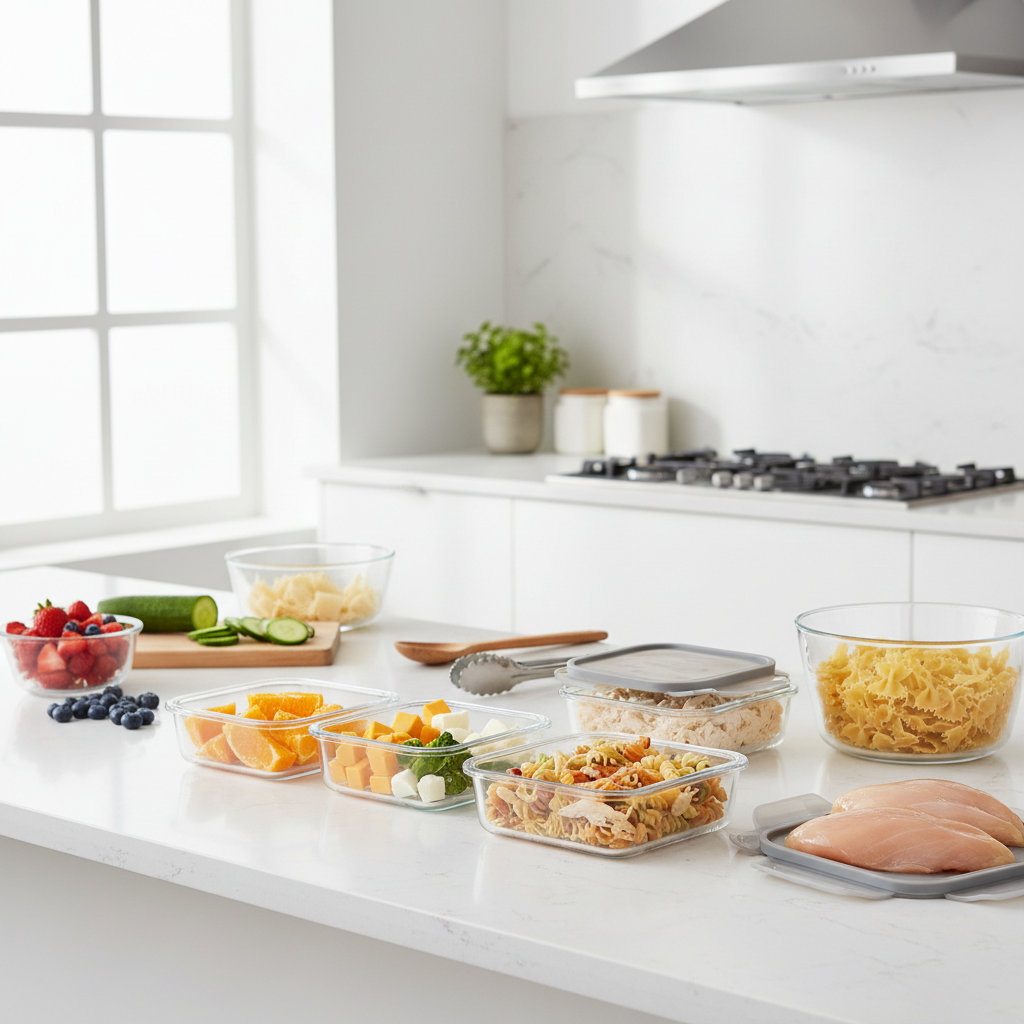
5) Aim for “exposure,” not “one perfect dinner”
According to the Centers for Disease Control and Prevention (CDC), building healthy eating patterns includes offering a variety of nutritious foods over time. In real homes, “over time” is the point. One rejected dinner doesn’t mean failure.
Common mistakes that quietly make picky eating worse
These are understandable, and most parents try them at some point, but they tend to backfire.
- Short-order cooking every night: it reduces exposure and increases bargaining, even if it brings short-term peace.
- Bribing bites with dessert: it can teach kids that the main meal is a punishment and sweets are the real prize.
- Hiding foods without telling: sometimes it helps, but if your child feels tricked, trust can take a hit and refusal may increase.
- Commentary at the table: “Just try it” repeated 10 times turns into pressure, even when you mean well.
- All-or-nothing health rules: banning all “safe” processed foods can shrink your options too far and raise stress.
Key takeaway: your job is to offer, their job is to decide what and how much to eat, within the options you provide. If that feels hard, you’re not alone.
When to get professional support (and who to ask)
Most picky eating can improve with routine and gradual exposure, but some situations deserve a closer look. Consider a professional opinion if you notice:
- Weight loss, poor growth, or fatigue that worries you
- Frequent gagging, choking, or trouble chewing/swallowing
- Very limited food range for a long period, or extreme distress around foods
- Ongoing constipation, reflux symptoms, or suspected food allergies
Start with your pediatrician, who may refer you to a registered dietitian or a feeding/occupational therapist if sensory or oral-motor issues seem likely. This article can’t diagnose, and if you’re concerned, getting individualized guidance is usually worth it.
Conclusion: a realistic way to win back dinner
Kid friendly meals don’t have to be a new recipe every night, they work best as a simple system: keep a few reliable staples, add one low-pressure stretch item, and protect the calm around the table. If you pick one move this week, build a short dinner rotation and start using sauces on the side, those two changes alone often reduce friction fast.
If you want a second move, choose one “neighbor food” and repeat it in tiny portions for two weeks, without commentary. Progress tends to look boring while it’s happening, then you realize your child suddenly tolerates more than before.
FAQ
What are the best kid friendly meals for picky eaters who hate vegetables?
Meals with a familiar base work well: pasta, quesadillas, or rice bowls, with vegetables offered as a separate side or a tiny “try bite.” Roasting can soften bitterness, and dips often make veggies feel less threatening.
How do I make sure my picky eater gets enough protein?
Rotate multiple protein options instead of betting on one: eggs, yogurt, cheese, beans, nut butters if allergy-safe, chicken, and fish sticks. If intake seems consistently low, it’s reasonable to ask a pediatrician or dietitian for guidance.
Should I stop buying my child’s safe foods?
Usually no, removing safe foods can increase anxiety and reduce overall intake. It’s often more effective to keep safe foods available and introduce new foods alongside them in small, repeat exposures.
How many times should a child be exposed to a new food?
There isn’t one magic number, but repeated, low-pressure exposure tends to matter more than a single “try.” If you can place a small portion on the plate regularly without turning it into a debate, you’re doing the core work.
What if my child only eats beige foods?
That pattern often points to texture or predictability, not stubbornness. Try gradual color shifts (white rice to lightly seasoned rice, fries to roasted wedges) and keep foods separated so the plate feels safe.
Are smoothies a good solution for picky eaters?
Smoothies can help on busy days, especially for adding calories or fruit, but they shouldn’t replace learning to eat a variety of textures. Use them as a support, not the only plan.
Is it okay to use dessert as a reward for eating dinner?
Occasionally it won’t ruin everything, but as a routine it can intensify power struggles. A more neutral approach is to serve dessert sometimes regardless of intake, or keep it separate from “earning” bites.
If you’re trying to get out of the nightly “what will they eat” loop, a simple meal rotation and a short list of grocery staples can make kid friendly meals feel manageable again, and if you’d rather not reinvent it, using a picky-eater-friendly weekly plan can save time while you focus on calmer routines.