
Ramen soup tastes “authentic” when the bowl has structure: a flavorful broth, a seasoning base (tare), aromatic fat, and noodles that match the liquid, not fight it. If your bowls keep turning out bland, heavy, or oddly sweet, it’s usually not your cooking skill, it’s that one of those layers is missing or out of balance.
What most home cooks call “ramen broth” is only one piece, and that’s where frustration starts. Restaurants build ramen like a system, then swap parts depending on style, ingredients, and time. Once you understand that system, you can make a convincing bowl on a weeknight, and a truly deep one when you have a weekend.
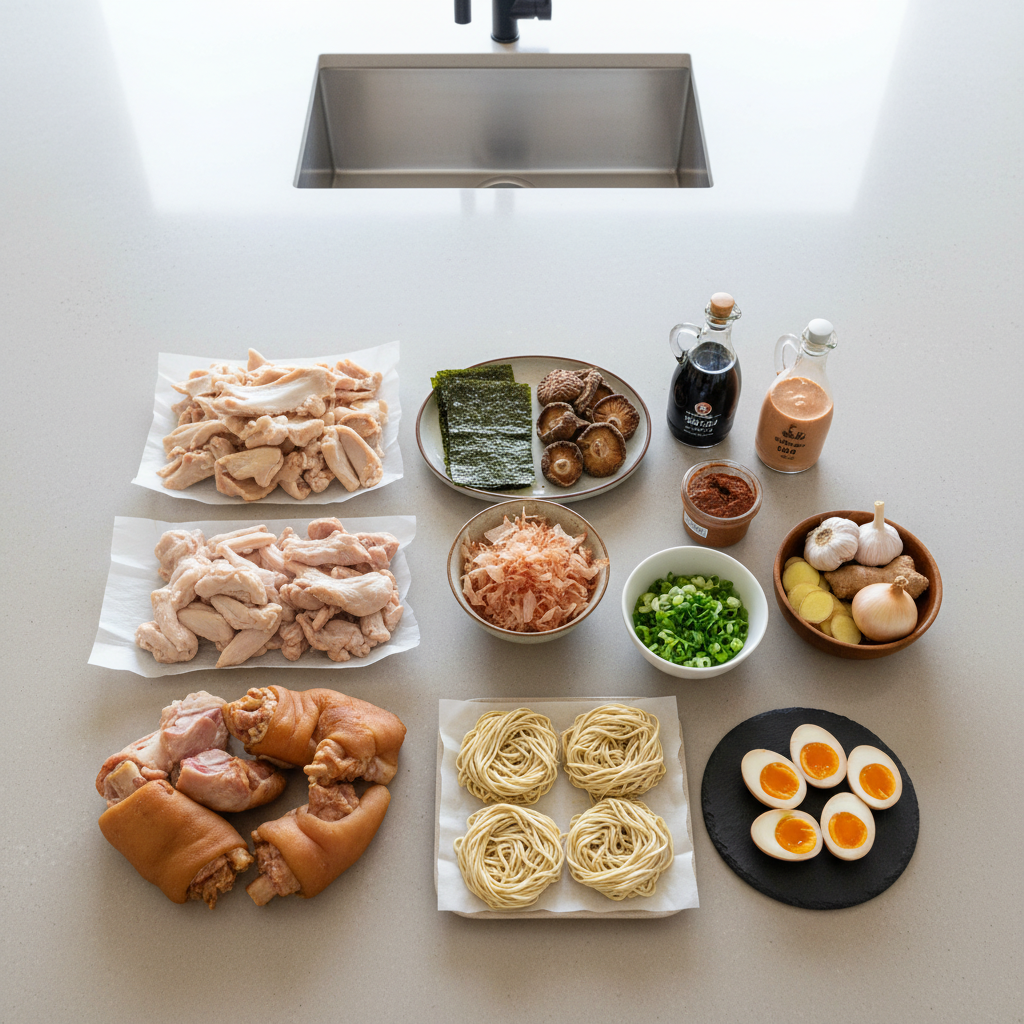
This guide gives you three authentic-style ramen soup recipes (shoyu, miso, and tonkotsu-inspired), plus a quick “hybrid” approach for busy days. You’ll also get a troubleshooting checklist, a practical table for choosing components, and the small details that usually make or break the bowl.
What “authentic” ramen soup really means (and what it doesn’t)
Authenticity in ramen is less about one sacred recipe and more about method. Regional shops in Japan vary a lot, even within the same style, so “authentic” usually means you’re using the same building blocks and decisions professionals use.
- Broth: the main liquid body (chicken, pork, seafood, dashi, or blends).
- Tare: a concentrated seasoning base (soy, salt, miso). This is where most of the salt lives.
- Aroma oil: infused fat (scallion oil, garlic oil, chili oil). It carries fragrance to your nose.
- Noodles: thickness and curl matter; they control how broth clings and how fast the bowl cools.
- Toppings: not decoration, they add texture, fat, and contrast.
One more point: ramen soup often tastes flat when you season the pot like “normal soup.” In ramen, you typically season the bowl with tare first, then add broth. It’s a different mindset.
Choose your ramen style: a quick decision table
If you want fewer failures, match the broth style to your time, pantry, and comfort level. This table isn’t law, it’s a reliable starting map.
| Style | Broth base | Typical tare | Time at home | Flavor profile |
|---|---|---|---|---|
| Shoyu | Chicken + dashi | Soy tare | 60–120 min | Clear, savory, aromatic |
| Miso | Chicken or pork + aromatics | Miso tare | 45–90 min | Rich, nutty, cozy |
| Tonkotsu-inspired | Pork bones (emulsified) | Shio or shoyu tare | 6–12 hours | Milky, creamy, deep pork |
| Hybrid weeknight | Good stock + dashi boosters | Fast tare | 20–35 min | Surprisingly legit, lighter body |
Ingredient notes that matter in the U.S.
In the U.S., ingredient access is the real constraint, not technique. You can still get close if you know which substitutions are safe and which ones change the bowl completely.
- Chicken backs, wings, or feet: great for body; feet add gelatin without making the broth taste “chickeny.”
- Pork neck bones or trotters: common for tonkotsu-style ramen soup; ask a butcher if you don’t see them.
- Kombu and katsuobushi: the classic dashi duo. If you only buy one, kombu carries a lot of the umami lift.
- Dried shiitake: adds a round, woodsy depth that reads “ramen shop” fast.
- Noodles: fresh ramen noodles are easiest; dried can work, but watch cooking times closely.
According to USDA Food Safety and Inspection Service (FSIS)... it’s smart to cool large pots of broth quickly and refrigerate promptly, especially if you simmer bones for hours. For anything food-safety related, local guidance and common sense should win.
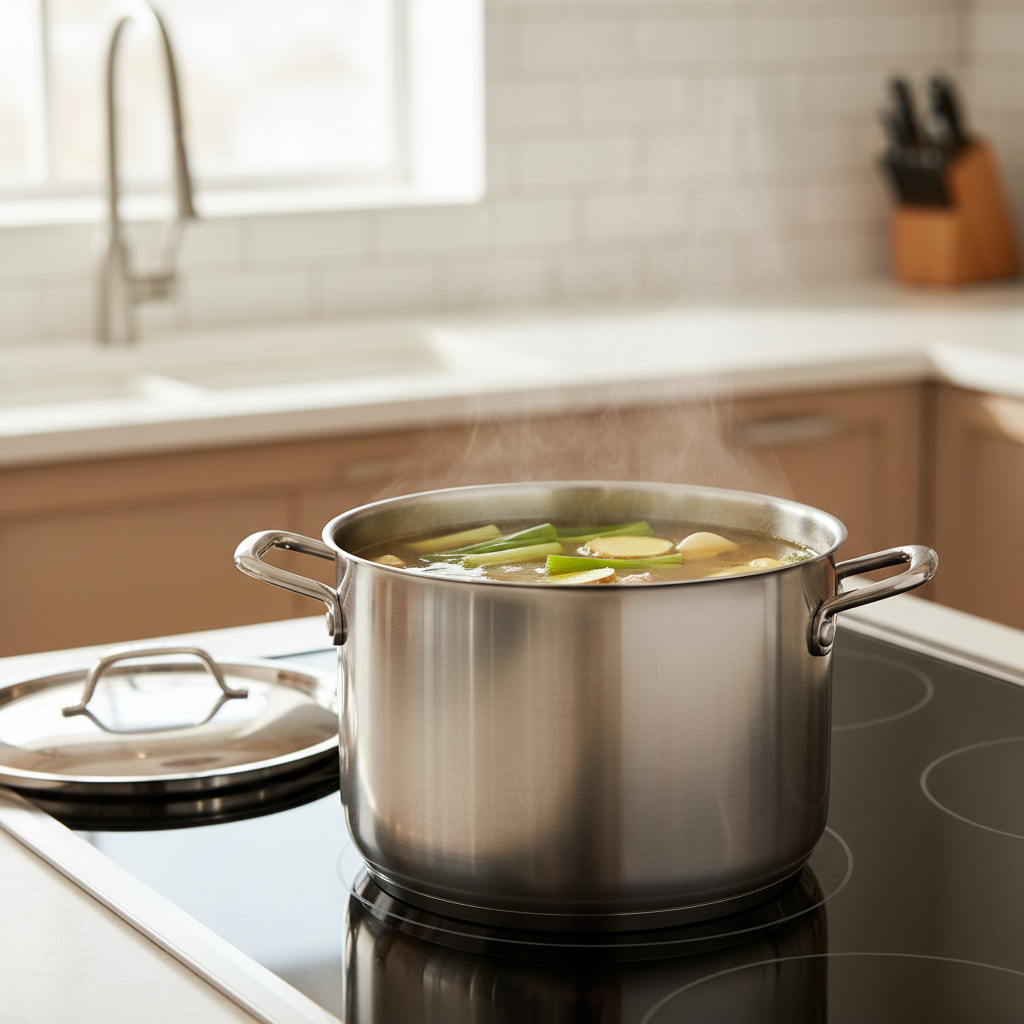
Recipe 1: Shoyu ramen soup (clear chicken + dashi)
This is the bowl I’d recommend if you want “authentic” without a 10-hour commitment. The trick is a clean broth plus a tare that tastes a little too strong on its own.
Broth (makes about 6 cups)
- 2 lb chicken backs/wings (or a mix)
- 1 onion, halved
- 1 thumb ginger, sliced
- 4 garlic cloves, smashed
- 1 piece kombu (about 4x4 inches)
- 1 cup dried shiitake soaking liquid (optional) + 2–3 soaked shiitake
Rinse chicken, cover with water, bring to a gentle simmer, then skim foam for the first 15 minutes. Add aromatics, simmer 60–90 minutes. Add kombu for the last 20 minutes (avoid boiling kombu hard, it can turn bitter). Strain.
Soy tare (enough for 6 bowls)
- 1/2 cup soy sauce
- 2 tbsp mirin
- 1 tbsp sake (optional)
- 1 tsp sugar (optional, small)
- 1 small piece kombu
Warm gently 5–8 minutes, do not boil hard. Let steep 20 minutes, then remove kombu.
Aroma oil (fast scallion oil)
- 1/4 cup neutral oil
- 2 scallions, chopped
- 1 small garlic clove, sliced
Heat on low until scallions soften and lightly color, then strain.
Build the bowl
- Add 1 tbsp tare to each bowl (adjust to taste).
- Add 1 tsp aroma oil.
- Pour in 1 to 1 1/4 cups hot broth.
- Add cooked noodles, then toppings (egg, chashu, nori, scallions).
Key point: If it tastes salty at the bottom before broth, that’s fine. Once diluted, it should land balanced.
Recipe 2: Miso ramen soup (comforting, forgiving)
Miso ramen soup is a good “second bowl” because it forgives small mistakes and still tastes intentional. The downside is that miso varies wildly, so expect a little dialing in.
Broth base
- 6 cups chicken stock (homemade or quality store-bought)
- 1 tbsp grated ginger
- 2 garlic cloves, grated
- 1 tbsp toasted sesame seeds, ground (optional)
Simmer 15–20 minutes to meld aromatics.
Miso tare
- 3 tbsp miso (start with white or awase)
- 1 tbsp soy sauce
- 1–2 tsp doubanjiang or chili paste (optional)
- 1 tsp sesame oil
Mix into a paste. Add to bowl first, then ladle in broth and whisk with chopsticks or a spoon until smooth.
Best toppings for miso bowls
- Butter-corn combo (classic in many places)
- Bean sprouts, lightly sautéed
- Ground pork cooked with a little soy and ginger
Recipe 3: Tonkotsu-inspired ramen soup (weekend project)
This is the style people chase for that creamy, opaque look. True tonkotsu often requires strong rolling boils and time; at home, you can get close, but plan for smell and cleanup.
What you need
- 4–5 lb pork bones (neck bones, femur, trotters)
- Water (a lot), plus more to top up
- 1 onion, 6 garlic cloves, 1 thumb ginger
Blanch bones 10 minutes, dump water, scrub pot and bones to remove scum, then refill. Boil more aggressively than you would for clear broth, topping up water as needed, 6–10 hours. Add aromatics in the last hour, then strain.
For seasoning, keep it simple: shio tare (salt-forward) or a small amount of soy tare. Many first-timers over-salt the entire pot, and it’s hard to fix later.
Self-check: why your ramen soup tastes “off”
If you make ramen soup twice and it still feels like “noodles in soup,” run this quick check before you buy more ingredients.
- Flat flavor: tare too weak, or broth lacks umami (try kombu/shiitake or a bit of dashi).
- Greasy, heavy: too much fat added at the end, or broth emulsified unintentionally.
- Too salty: tare amount too high per bowl, or your stock already salty.
- “Porky” funk: bones not blanched/cleaned well, or simmer too low for too long with impurities.
- Noodles feel wrong: overcooked, or noodle type mismatched to broth thickness.
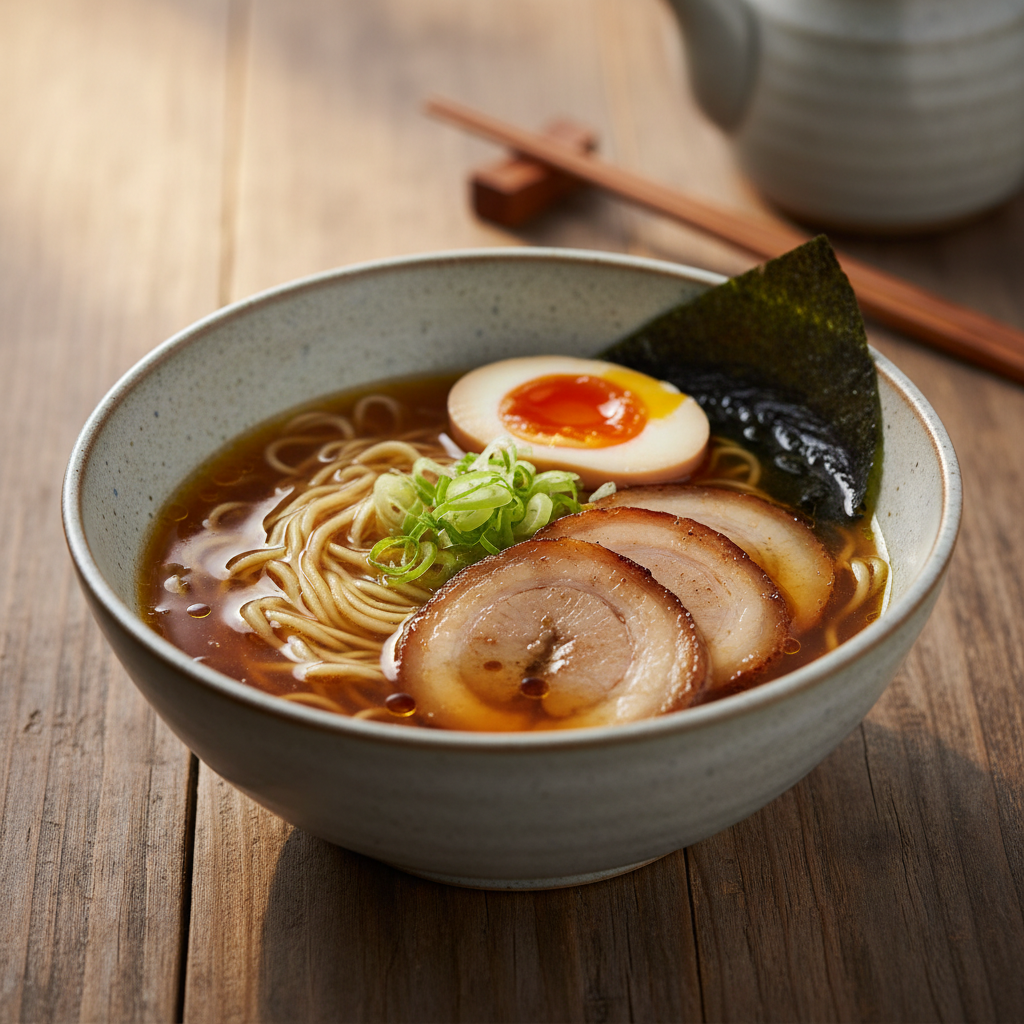
Practical tips to make it taste like a ramen shop
These are the small moves that tend to change everything, even if you use store-bought stock.
- Season per bowl, not per pot: tare first, broth second, then taste and adjust.
- Keep broth hot and noodles separate: noodles keep cooking in the bowl, so assemble fast.
- Use aroma oil on purpose: 1 teaspoon can add “lift” without making the bowl greasy.
- Salt is not the enemy: ramen is meant to be seasoned; balance with acidity (a tiny rice vinegar splash) or aromatics, not just less salt.
- Texture counts: one crunchy topping (scallions, sprouts) helps the bowl feel finished.
Common mistakes (and what to do instead)
- Boiling kombu for hours: steep it near the end, keep it gentle to avoid bitterness.
- Relying on one ingredient for “umami”: use a blend, kombu + shiitake is a simple combo that works.
- Overcomplicating toppings early: nail broth + tare first, then add chashu projects later.
- Using low-quality noodles: if noodles turn mushy, even a great broth won’t save the experience.
When to be extra cautious
Long-simmered bone broths are generally straightforward, but safe handling matters. If you’re cooling a big batch, splitting into smaller containers speeds cooling and reduces risk. If you have health conditions that require sodium limits, ramen soup can be tricky, and a registered dietitian may help you adapt the bowl without making it sad.
Conclusion: build the bowl, don’t chase one “perfect” recipe
Authentic ramen soup at home comes from getting the architecture right, broth for body, tare for seasoning, aroma oil for fragrance, noodles for bite. Pick one style, cook it twice, and only change one variable each round, that’s how you get repeatable results.
If you want a clear next step, make the shoyu bowl first, then reuse the tare and aroma oil with different stocks. That’s usually the fastest path from “pretty good” to “I’d serve this to friends.”
FAQ
How do I make ramen soup taste more authentic without making bone broth?
Use a good low-sodium stock, then add a simple dashi element (kombu or dried shiitake) and season with tare per bowl. That structure alone gets you most of the way there.
What’s the difference between ramen broth and tare?
Broth is the cooking liquid, tare is the concentrated seasoning base. If you salt the whole pot like normal soup, it often tastes muddy; tare keeps flavors crisp and adjustable.
Why does my ramen soup turn cloudy when I wanted it clear?
A hard boil can emulsify fat and proteins into the liquid. For clear shoyu-style bowls, keep a gentle simmer and skim early; save rolling boils for tonkotsu-inspired broths.
Can I use store-bought chicken broth for ramen?
Yes, especially for miso or hybrid bowls. Choose low-sodium if possible, then add aromatics and an umami booster so it doesn’t taste like plain chicken soup.
How much tare should I add per bowl?
Many home bowls land around 1 tablespoon, but it varies by tare strength and broth salt level. Start low, taste, then add a teaspoon at a time.
What noodles are best for shoyu ramen soup?
Medium-thin noodles usually match a clear broth well. Thick noodles can work, but they tend to cool the bowl and shift the balance toward “hearty” rather than “delicate.”
How long can I store homemade ramen broth?
It depends on cooling speed and fridge temperature, but many people keep it a few days refrigerated or freeze portions for later. If anything smells off or you’re unsure, it’s safer to discard.
Is ramen soup unhealthy?
It can be high in sodium and calories depending on style and toppings. If you’re watching sodium, consider smaller tare portions, more aromatics, and leaner toppings, and ask a professional if you have medical constraints.
If you’re cooking for a busy week, a practical approach is batching one tare and one aroma oil on Sunday, then rotating broths and toppings. It keeps the “real ramen” feeling without turning every bowl into an all-day project.