
Salad dressings are often the difference between a salad you tolerate and one you actually look forward to, and making them at home is usually simpler than people expect.
If you feel stuck buying the same bottle every week, or you want more control over sweetness, sodium, and ingredients, a small set of “base formulas” will cover most cravings, from creamy ranch-style to bright lemon vinaigrettes.
This guide gives you reliable ratios, a quick troubleshooting mindset, and several go-to recipes you can rotate without getting bored. No chef vibe required, just a jar with a lid and a few pantry staples.
Start with the “base formula” (then make it yours)
Most homemade dressing success comes down to balance: fat for richness, acid for brightness, salt for flavor, and something to help it emulsify so it doesn’t separate in 30 seconds.
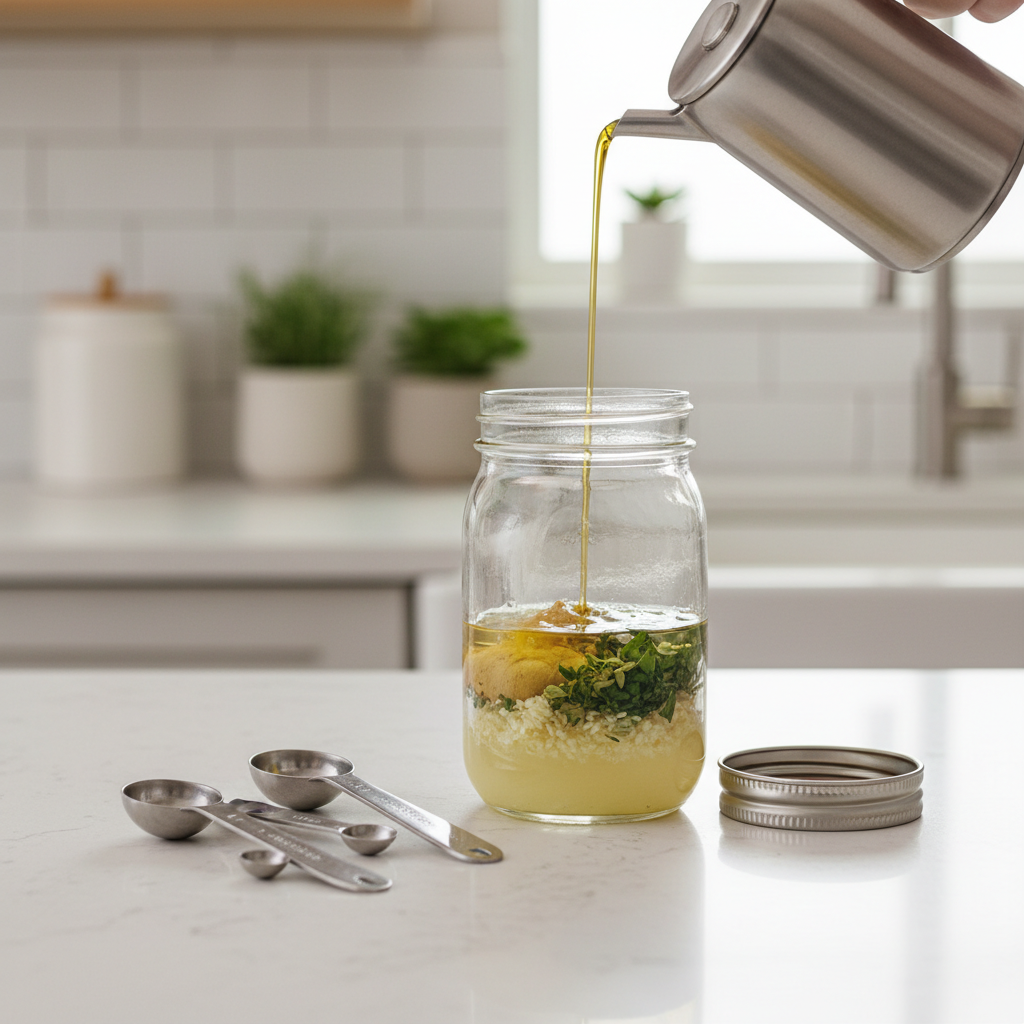
Classic vinaigrette ratio: many kitchens start around 3 parts oil to 1 part acid, then adjust. If you like a sharper bite, move closer to 2:1.
Emulsifier options: Dijon mustard, honey, mayo, Greek yogurt, or tahini help oil and acid stay mixed longer. You can also whisk hard, but an emulsifier makes it more forgiving.
- Fat: olive oil, avocado oil, neutral oils, tahini, yogurt, mayo
- Acid: lemon/lime, red wine vinegar, apple cider vinegar, balsamic, rice vinegar
- Flavor builders: garlic, shallot, herbs, spices, miso, soy sauce, parmesan
- Sweetness (optional): honey, maple syrup, a pinch of sugar, fruit jam
Quick self-check: which dressing do you actually need?
People search for recipes, but the real problem is usually mismatch: the dressing doesn’t fit the salad, the protein, or the time you have on a weeknight.
- For hearty bowls (kale, grains, chickpeas): thicker dressings or creamy styles cling better
- For delicate greens (spring mix, butter lettuce): lighter vinaigrettes avoid sogginess
- For meal prep: choose dressings that hold texture 3–5 days, store separately
- If you hate “too tangy”: reduce acid, add a touch of sweet, or increase emulsifier
- If it tastes flat: it usually needs salt, a stronger acid, or an umami boost
7 reliable homemade salad dressing recipes (with flexible swaps)
Each recipe makes about 6–8 servings, depending on how generously you dress. A jar shake works for most, a blender helps for creamy ones.
1) Everyday Lemon Dijon Vinaigrette
Good for: mixed greens, chicken salads, roasted veggies
- 6 tbsp olive oil
- 3 tbsp lemon juice
- 1–2 tsp Dijon mustard
- 1 small garlic clove, grated (optional)
- Salt + black pepper
Shake hard for 15 seconds, taste, then decide: more lemon for brightness, more oil for smoothness.
2) Honey Mustard (not overly sweet)
Good for: slaws, spinach salads, salmon
- 4 tbsp olive oil or avocado oil
- 2 tbsp apple cider vinegar
- 1.5 tbsp Dijon mustard
- 1–2 tsp honey
- Pinch of salt
If it feels “thin,” increase mustard slightly, it thickens naturally and helps emulsify.
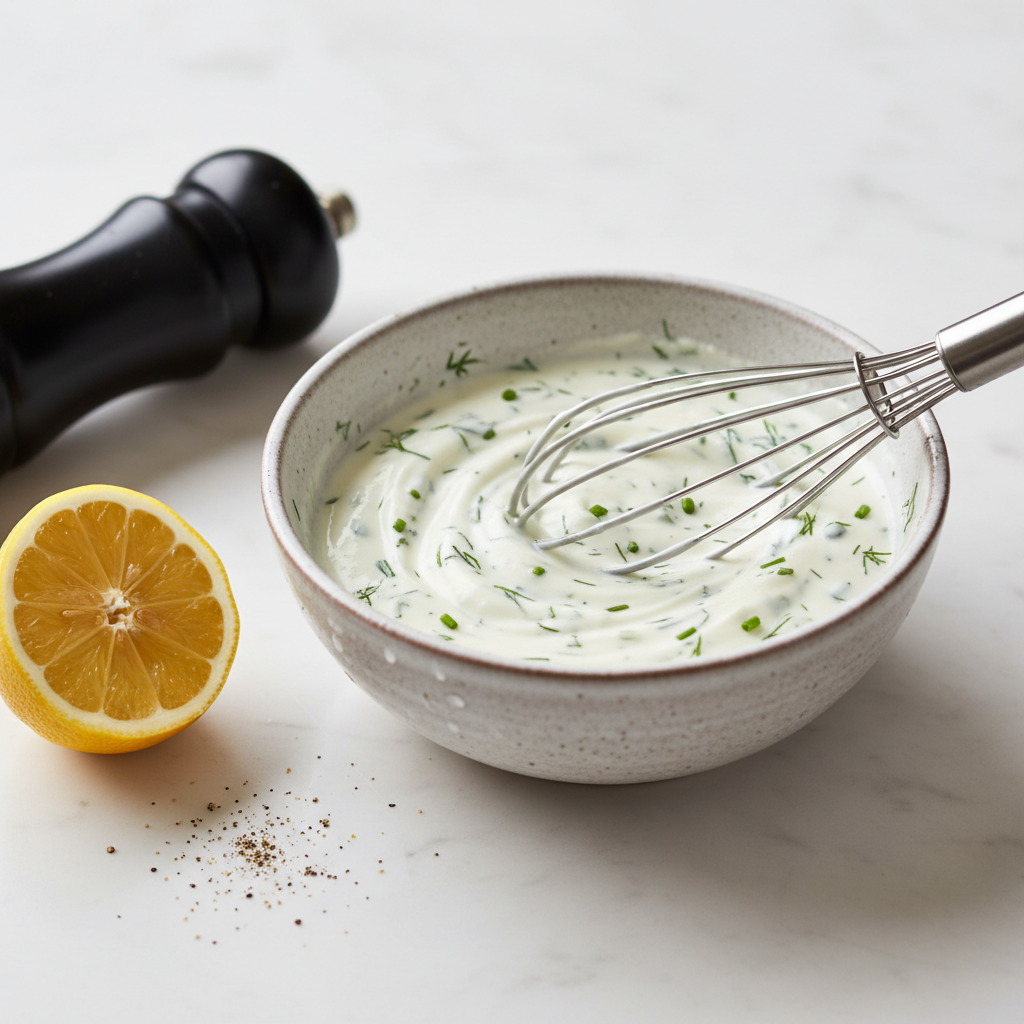
3) Creamy Yogurt Herb (light ranch-ish)
Good for: chopped salads, dipping veggies, wraps
- 1/2 cup plain Greek yogurt
- 2 tbsp olive oil
- 1.5 tbsp lemon juice
- 1–2 tbsp chopped dill/parsley/chives (or 1 tsp dried Italian herbs)
- 1/2 tsp garlic powder, salt + pepper
Add water 1 tsp at a time if you want it pourable.
4) Balsamic Maple Vinaigrette
Good for: arugula, strawberries, goat cheese, grilled chicken
- 5 tbsp olive oil
- 2 tbsp balsamic vinegar
- 1 tsp maple syrup (or honey)
- 1/2 tsp Dijon mustard
- Salt + pepper
Balsamic varies a lot, some bottles are sharper, some are syrupy, so taste before adding extra sweet.
5) Tahini Lemon Garlic (creamy, dairy-free)
Good for: kale, roasted cauliflower, falafel bowls
- 1/3 cup tahini
- 3 tbsp lemon juice
- 1 small garlic clove, grated
- 3–6 tbsp warm water (to thin)
- Salt, pinch of cumin (optional)
Tahini seizes when you add acid, then loosens as you whisk in water, it’s normal.
6) Sesame Ginger (takeout-style)
Good for: cabbage, carrots, edamame, chicken
- 3 tbsp neutral oil
- 1 tbsp toasted sesame oil
- 2 tbsp rice vinegar
- 1 tsp soy sauce (or tamari)
- 1–2 tsp grated ginger
- 1 tsp honey (optional)
If you want it punchier, increase ginger, not sesame oil, sesame can dominate fast.
7) Quick Caesar-Style (no raw egg)
Good for: romaine, croutons, chicken
- 1/3 cup mayo
- 2 tbsp lemon juice
- 1 tsp Dijon mustard
- 1 small garlic clove, grated
- 2 tbsp finely grated parmesan
- Optional: 1 tsp Worcestershire sauce (or a little anchovy paste if you like it)
According to USDA Food Safety and Inspection Service, keeping perishable foods properly refrigerated reduces foodborne illness risk, so treat creamy dressings like you would other dairy or mayo-based foods and keep them chilled.
A quick comparison table (so you can pick fast)
If you’re building a rotation, this is the “what should I make tonight” cheat sheet.
| Dressing | Best with | Typical texture | Meal-prep friendly? |
|---|---|---|---|
| Lemon Dijon | Greens, chicken, veggies | Light | Yes (separates, shake) |
| Honey Mustard | Slaw, spinach, salmon | Medium | Yes |
| Yogurt Herb | Chopped salads, dips | Creamy | Usually, 3–5 days |
| Balsamic Maple | Arugula, fruit, cheese | Light-medium | Yes |
| Tahini Lemon | Kale, bowls | Creamy | Yes (thickens, thin later) |
| Sesame Ginger | Asian-style salads | Light | Yes |
| Caesar-style | Romaine, chicken | Creamy | Shorter, keep cold |
Practical tips that prevent “watery,” “too sour,” or “it broke”
Homemade salad dressings can be a little dramatic, especially in the first minute, but most issues fix quickly if you know what you’re looking at.
- Too sour: add more oil, or a small sweetener, or a pinch of salt to round edges.
- Too oily or flat: add acid in small splashes, then taste, you might just be missing brightness.
- Watery on the salad: your greens may be wet, dry them more; thicker dressings also cling better.
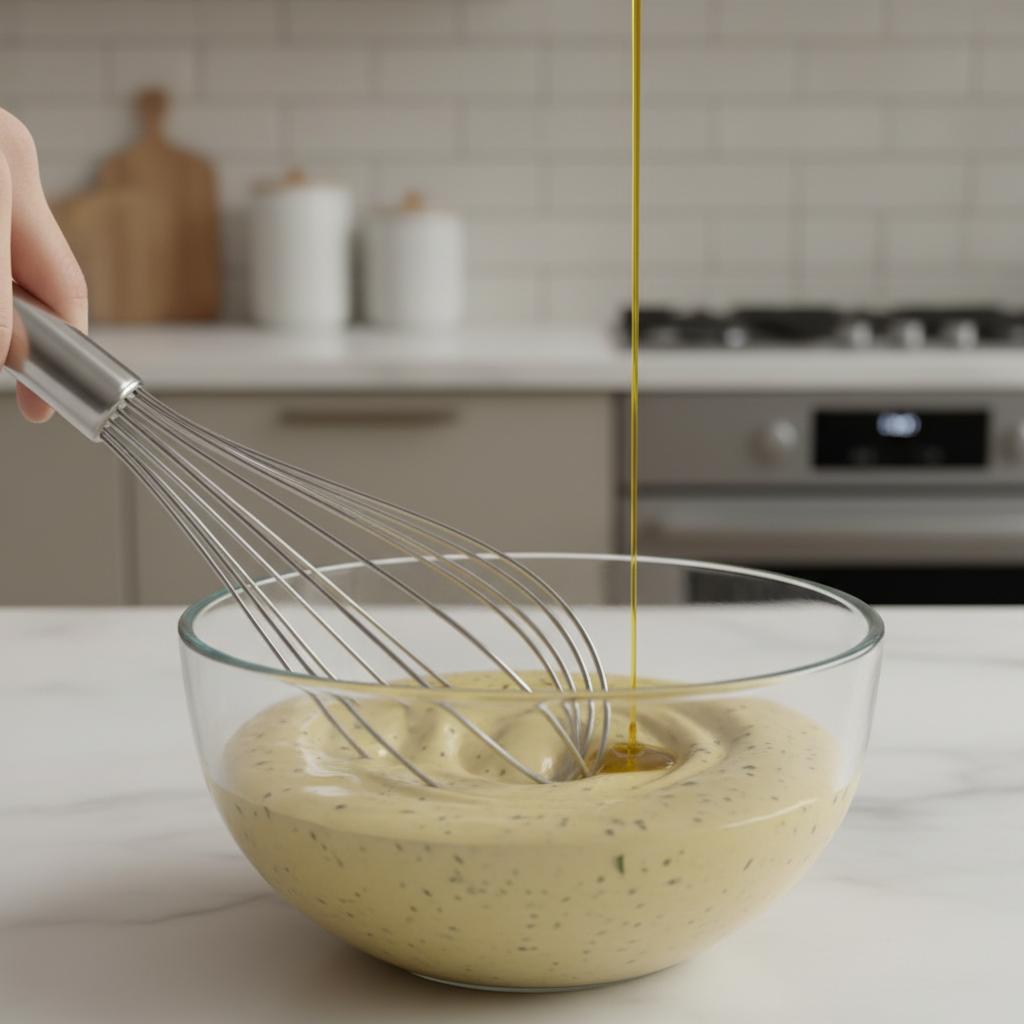
- Separated: shake again, or add a little Dijon/mayo and whisk, emulsifiers make it stable.
- Harsh garlic: use grated garlic sparingly, or swap in garlic powder for a gentler flavor.
Storage, food safety, and make-ahead routine
For most kitchens, the real win is having one or two jars ready so weekday salads don’t feel like a project.
- Vinaigrettes: often keep 5–7 days refrigerated, many separate naturally, shake before using.
- Creamy styles (yogurt/mayo): commonly keep 3–5 days, store cold and use a clean spoon each time.
- Label the jar: date it, especially if you’re mixing dairy, garlic, or fresh herbs.
- When in doubt: if it smells “off,” looks curdled beyond normal separation, or tastes odd, toss it.
If you have dietary needs or a medical condition that affects sodium, sugar, or fat intake, it’s smart to check with a qualified professional for personalized guidance.
Key takeaways (so you can stop overthinking it)
- Memorize one ratio (like 3:1 oil to acid), then tweak based on taste.
- Use an emulsifier when you want a smoother, longer-lasting mix.
- Match texture to the salad, delicate greens like lighter dressings, hearty bowls handle creamy.
- Make it once, then iterate, most “bad” dressings are one small adjustment away from good.
Conclusion: build a small dressing rotation you’ll actually use
Once salad dressings stop feeling mysterious, you can treat them like a pantry habit, pick a base, add a flavor direction, taste, adjust, done. Try making one vinaigrette and one creamy option this week, then note what you changed, that tiny feedback loop is how you land on “your” versions.
If you want an easy next step, keep a jar of Lemon Dijon in the fridge and a small bottle of rice vinegar in the pantry, that combo alone covers a surprising number of weeknight salads.
FAQ
How do I make salad dressings without a blender?
A mason jar with a tight lid works for most vinaigrettes, shake hard for 10–20 seconds. For creamy recipes, whisking in a bowl usually does the job, it just takes a bit more patience.
Why do my homemade dressings separate so fast?
Oil and acid naturally split. Adding Dijon, honey, mayo, or tahini helps emulsify, meaning it holds together longer. Even then, some separation is normal, a quick shake fixes it.
What’s the best oil for homemade salad dressings?
Extra-virgin olive oil tastes great in many recipes, but it can be bold and slightly bitter in delicate salads. Avocado or a neutral oil gives a softer flavor, so pick based on what you’re pairing.
Can I reduce sugar in honey mustard or balsamic recipes?
Usually yes, but don’t remove sweetness blindly, it balances acidity. Try cutting the sweetener in half, then add a pinch of salt or a little extra mustard to keep it from tasting sharp.
How long do homemade salad dressings last in the fridge?
It depends on ingredients. Vinaigrettes often last close to a week, creamy dressings tend to have a shorter window. If you’re unsure, err on the cautious side and make smaller batches.
How do I make creamy dressings dairy-free?
Tahini is the easiest swap for a creamy feel, and blended cashews also work if you have a blender. Mayo-based Caesar-style can also be dairy-free if you skip parmesan and use a dairy-free alternative.
My dressing tastes “flat,” what should I add first?
Try salt first, then a splash of acid. If it still feels one-note, add something savory like parmesan, a touch of soy sauce, or a pinch of mustard, those usually bring it into focus.
If you’re building a weekly salad habit and want a more effortless setup, it can help to plan two staple salad dressings plus one “fun” flavor each week, you’ll waste fewer ingredients and you won’t get stuck eating the same bowl on repeat.