
Steamed recipes are one of the easiest ways to eat lighter without settling for bland food, you keep moisture, highlight natural flavors, and usually avoid extra oil that sneaks into weeknight meals.
If steaming feels boring, it’s often because the seasoning plan is an afterthought, salt gets added too late, or everything goes into the basket at the same time and turns uneven. Fix those three, and steamed meals start tasting like “real cooking” again.
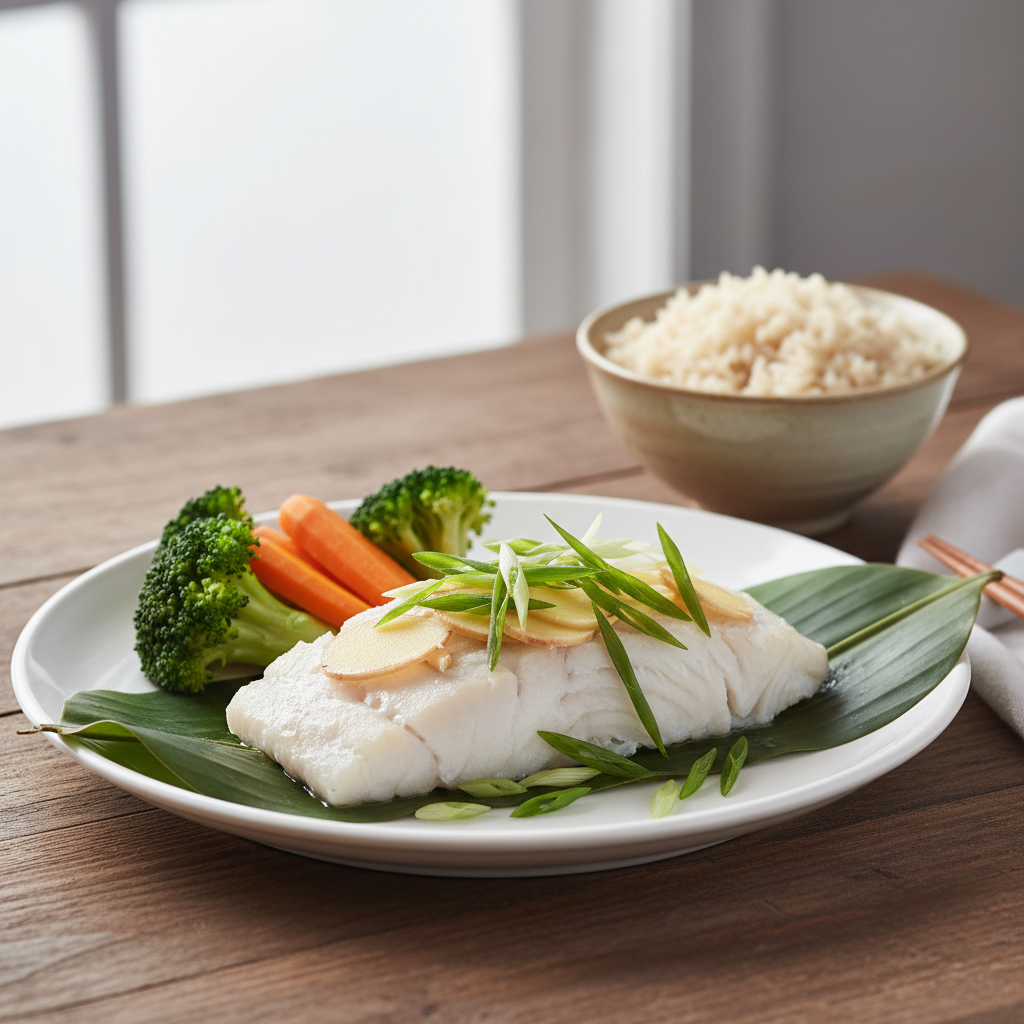
Below you’ll get practical ideas you can actually rotate through, a simple timing chart, and a few “restaurant tricks” that fit into a normal American kitchen. If you cook for kids or picky adults, pay extra attention to the sauce section, that’s where compliance happens.
Why steaming works for healthy cooking (and when it doesn’t)
Steaming tends to support healthier eating because it’s gentle, fast, and doesn’t require much added fat. That said, it’s not automatically “healthy” if your sauce turns into a sugar bomb or you pair it with oversized sides.
- Flavor stays in the food, not in the pan. Moist heat reduces drying, especially for fish and lean chicken.
- Texture stays cleaner. Vegetables can keep a little bite instead of turning mushy when timing is right.
- Portion control gets easier. Steamed plates often look abundant because of volume from vegetables.
When steaming disappoints, it’s usually one of these:
- Overcrowding the basket, steam can’t circulate, food “sweats” instead of cooking evenly.
- Cooking everything at once, dense items lag behind, delicate items overcook.
- Skipping aromatics and acids, you end up with “plain + salt” instead of layered flavor.
According to the USDA, seafood should be cooked to a safe internal temperature, and using a thermometer is the most reliable check. If you’re cooking for someone pregnant, immunocompromised, or with specific medical needs, it’s worth confirming targets with a clinician or dietitian.
Quick timing chart for common steamed foods
This is the part most people want, because steaming is less forgiving than it looks. Times vary by thickness and equipment, so treat this as a starting point and adjust.
| Food | Prep size | Approx. steam time | Doneness cue |
|---|---|---|---|
| Broccoli florets | Medium florets | 4–6 min | Bright green, fork-tender with bite |
| Carrots | Coins or thin sticks | 6–10 min | Knife slides in with slight resistance |
| Green beans | Whole, trimmed | 5–7 min | Snappy, not wrinkled |
| Salmon | 1-inch fillet | 8–12 min | Flakes easily, opaque center |
| Chicken breast | Thin cutlets | 10–14 min | Juices run clear; temp check recommended |
| Potatoes | 1-inch chunks | 12–18 min | Fork slides in cleanly |
| Eggs | Large, in shell | 10–12 min | Firm whites, set yolk (time varies) |
Key point: start timing once you see steady steam, not when you turn the heat on. Also, lift the lid as little as possible, every peek drops the temperature.
Healthy steamed recipes you’ll actually repeat
These are built around typical U.S. grocery ingredients, no specialty steamer required. A bamboo steamer, a metal insert, even a fine-mesh colander over a pot can work in many kitchens, just keep it stable and away from direct water contact.
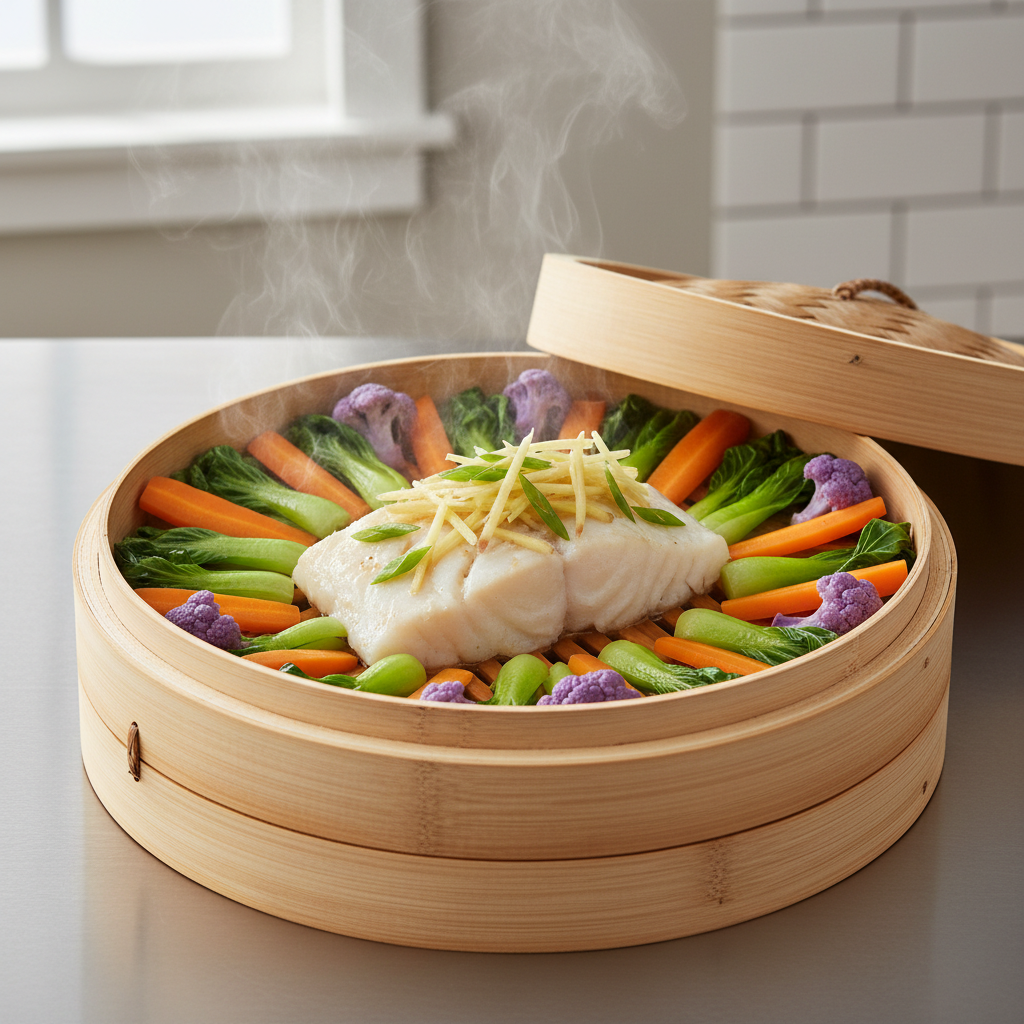
1) Ginger-Scallion Steamed Fish (weeknight level)
This one tastes “restaurant” with almost no effort, the steam does the work and the aromatics do the talking.
- Use: cod, halibut, tilapia, or any mild white fish
- Season: thin ginger slices, scallions, a pinch of salt, black pepper
- Steam: 8–12 minutes depending on thickness
- Finish: splash of low-sodium soy sauce + rice vinegar or lemon
Tip that matters: place fish on a small plate inside the steamer so you keep the juices, then spoon the hot juices back over at the end.
2) Lemon-Herb Chicken with Green Beans
Lean chicken can go dry fast, steaming helps, but only if you avoid thick, oversized breasts. Slice into cutlets.
- Season: lemon zest, garlic, dried oregano or Italian seasoning, salt
- Layering: start chicken for a few minutes, add green beans later so they stay crisp
- Serve with: mustard-yogurt sauce or simple olive oil + lemon (use a light hand)
According to the CDC, preventing cross-contamination matters as much as cooking temperature. Use a separate cutting board for raw poultry, and wash hands and surfaces after prep.
3) Chili-Lime Shrimp and Snap Peas
If you want fast, this is it. Shrimp overcooks quickly, so keep your timing tight.
- Season: chili flakes, lime zest, pinch of salt, minced garlic
- Steam: shrimp 3–6 minutes until pink and firm, snap peas 2–4 minutes
- Finish: squeeze of lime, chopped cilantro if you like it
4) Sesame-Tahini Tofu with Broccoli
This is a good “meatless Monday” option that still feels filling, especially if you add a grain.
- Use: extra-firm tofu, patted dry and sliced
- Steam: tofu 6–8 minutes, broccoli 4–6 minutes
- Sauce: tahini + warm water + lemon + a little soy sauce, whisk until pourable
If you want more flavor, marinate tofu briefly beforehand, but keep it light, heavy sugar sauces can overwhelm a steamed dish.
5) Steamed Veggie “Bowl Base” for meal prep
This is less a recipe and more a system: steam a mix, store it, build meals all week with different toppings.
- Mix: carrots + broccoli + cauliflower + green beans
- Add-ons: canned salmon, rotisserie chicken (skin removed), beans, or a fried egg if that fits your goals
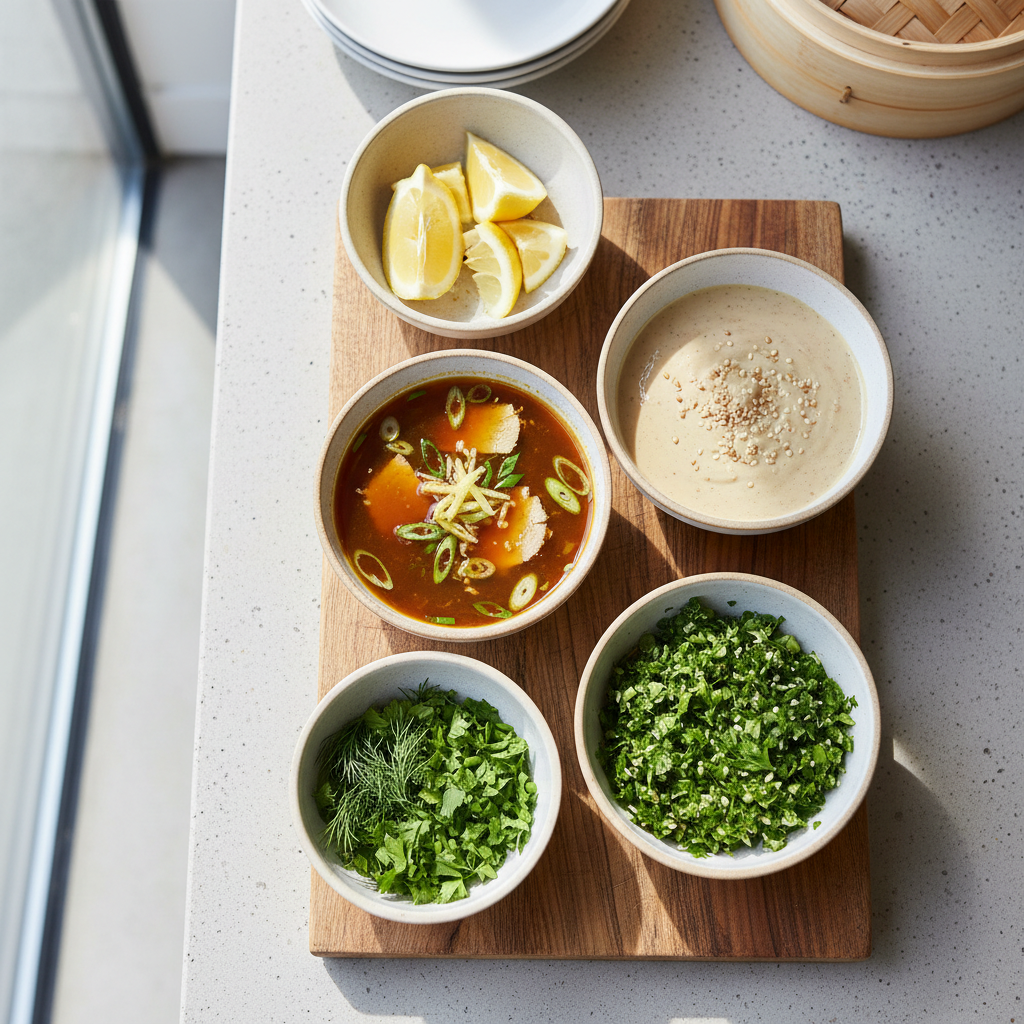
- Flavor paths: salsa verde, miso-ginger, or lemon-pepper
How to build flavor without turning it into a “sauce dish”
Most people don’t need more recipes, they need 3–4 go-to flavor combos that make steamed food feel satisfying.
- Aromatics in the steamer: ginger, garlic, scallion, citrus peel, fresh herbs
- Acid at the end: lemon, lime, rice vinegar, a quick pickle brine
- Umami, lightly: low-sodium soy sauce, miso, parmesan dusting, mushrooms
- Heat: chili crisp in a teaspoon portion, hot sauce, Aleppo pepper
A practical rule: if your bowl tastes “flat,” add acid before you add more salt. That single move rescues a lot of steamed recipes.
Self-check: which steaming setup fits your kitchen?
Your setup changes your results more than you’d think, mainly because of steam circulation and lid fit.
- Stockpot + steamer insert: stable, good for batch vegetables, watch water level.
- Bamboo steamer: great texture and aroma control, line it with parchment or cabbage to reduce sticking.
- Microwave steamer container: convenient, but can cook unevenly, stir halfway for vegetables.
- Improvised rack/colander: works in a pinch, make sure it’s secure and not touching boiling water.
If you constantly get soggy results, it’s often lid gaps or overcrowding, not the food itself. Give steam room to move, and keep items in a single layer when possible.
Common mistakes and safety notes (real-life stuff)
- Starting with cold food straight from the fridge: it can cook unevenly, especially thick proteins. Let it sit 10–15 minutes if safe to do so in your environment.
- Letting condensation drip back: water drips wash off seasoning. Tilt the lid when opening, and avoid shaking the basket.
- Using high sugar sauces during cooking: sugar can scorch and turn bitter around hot surfaces. Add sweet elements at the end.
- Undercooking seafood or poultry: texture can be misleading. A thermometer is a good idea, and if you’re unsure, it’s safer to cook a bit longer.
According to FDA guidance on food safety, keeping hot foods hot and cold foods cold reduces risk of foodborne illness. If you meal prep steamed proteins, cool and refrigerate promptly, and reheat thoroughly.
Practical weeknight plan: 3 steamed dinners, minimal thinking
If your goal is consistency, rotate a small set. Here’s a simple approach that usually feels doable even when you’re tired.
- Night 1: ginger-scallion fish + broccoli + microwave rice
- Night 2: lemon-herb chicken + green beans + steamed potatoes
- Night 3: chili-lime shrimp + snap peas + a quick salad
Keep it honest: pick one sauce you genuinely like, not the one you think you “should” eat. That’s how steamed recipes stick.
Conclusion: make steaming taste like a choice, not a compromise
Steaming gets popular in health conversations because it’s simple, but the real win is repeatability, you can cook fast, clean up quickly, and still get food that tastes fresh. Focus on timing, don’t crowd the basket, and treat acid and aromatics as non-negotiable.
If you want one next step, choose one protein recipe and one vegetable combo from above, then commit to making it twice this week, you’ll learn your exact timing faster than any chart can teach.
FAQ
What are the best steamed recipes for beginners?
Start with steamed vegetables plus a simple protein like fish or tofu, because doneness is easier to see and adjust. Add a finishing sauce so it tastes complete, not “plain health food.”
Is steaming healthier than boiling?
Often, yes, because steaming uses less water and can help preserve texture and some nutrients, but the bigger difference is what you add afterward. A heavy sauce can erase the advantage either way.
How do I keep steamed chicken from getting rubbery?
Use thinner cutlets, don’t overcook, and rest it a couple minutes before slicing. If you’re guessing on doneness, a thermometer removes a lot of uncertainty.
Can I steam frozen vegetables without thawing?
Usually you can, but timing changes and texture may soften more than fresh. If you like a crisp bite, open the bag, shake off ice crystals, and steam in a single layer.
What sauces pair well with steamed food without adding too many calories?
Think bright and punchy: lemon, vinegar-based sauces, salsa verde, soy-ginger with low-sodium soy, or yogurt-mustard. Strong flavors let you use less.
How do I prevent steamed vegetables from turning mushy?
Cut evenly, start timing only after visible steam, and pull them when they’re just tender. They keep cooking for a minute after you remove them, especially if piled in a bowl.
Are bamboo steamers safe and practical for American kitchens?
In many cases, yes, they’re practical if they fit your pot and you keep water below the steamer base. Line the steamer to reduce sticking, and dry it well after washing to avoid odors.
If you’re trying to eat lighter but keep meals satisfying, a small “steaming routine” can be a surprisingly low-friction upgrade, pick one steamer setup you’ll actually use, then build a short list of sauces so your weeknight dinners don’t start feeling repetitive.