
Soup recipes are the fastest way to make a cold day feel manageable, because you get warmth, comfort, and a real meal in one pot without much fuss.
But the annoying part is deciding what kind of soup fits your night, if you want something quick, something hearty enough to replace dinner, or a pot you can stretch for lunches. And if you’ve ever ended up with bland broth or mushy noodles, you already know the small details matter.
This guide keeps it practical: a handful of reliable cold-weather categories, what to use when the fridge looks empty, and the small technique choices that change the whole pot. You’ll also get a mini planning table, plus make-ahead and freezer tips so soup night stays easy.
What makes a soup feel “warm” on cold days
When people say a soup feels warming, they usually mean two things: the soup is physically hot, and it tastes “round,” savory, and filling. That second part is what separates a comforting bowl from hot salted water.
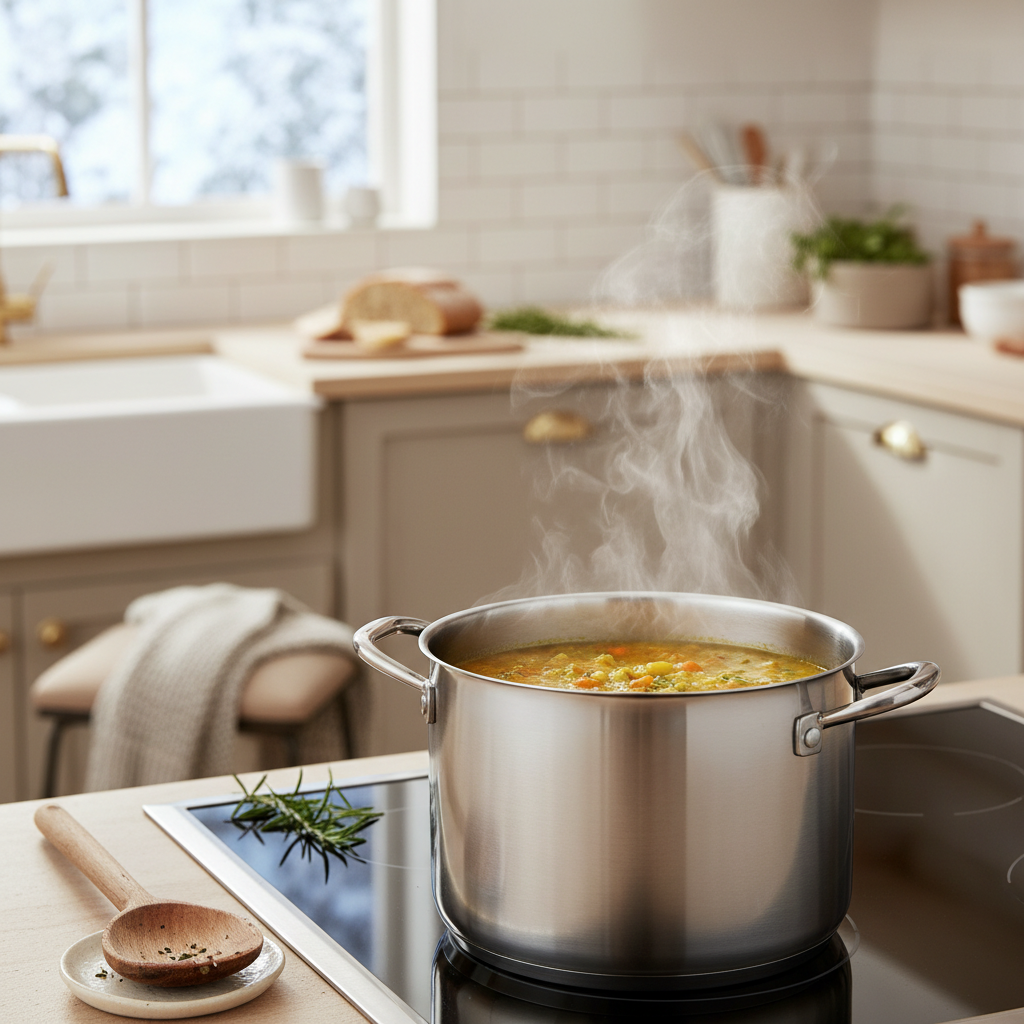
Most “cold day” soups share a few building blocks, even if the flavors differ:
- A good base: broth, stock, or even water boosted with aromatics and pantry staples.
- A body: beans, lentils, potatoes, rice, noodles, or blended vegetables.
- A flavor backbone: onion-family aromatics, tomato paste, miso, spices, or browned meat.
- A finishing pop: acid (lemon/vinegar), herbs, a drizzle of oil, grated cheese, or chili.
According to USDA Food Safety and Inspection Service, hot soups and stews should be cooled and refrigerated promptly, using shallow containers for faster cooling if you’re saving leftovers. That matters because many of us make a big pot specifically for the next day.
Choose the right soup category for your time, mood, and pantry
Picking “a recipe” is easier when you pick a category first. In real kitchens, the category decides your cook time, your shopping list, and whether leftovers stay good.
Here’s a quick match-up table you can use before you start chopping.
| Soup style | Best for | Typical time | Common pantry helpers |
|---|---|---|---|
| Brothy chicken/noodle | Quick comfort, “I feel run down” nights | 30–60 min | Better-than-bouillon, frozen mirepoix, egg noodles |
| Bean/lentil | Hearty bowls, budget-friendly meals | 35–75 min | Canned beans, lentils, smoked paprika, bay leaf |
| Creamy blended veggie | Smooth texture, easy “clean-out-the-fridge” | 25–50 min | Frozen cauliflower, potatoes, coconut milk |
| Chili-like stew | Big flavor, feeds a crowd, great leftovers | 60–120 min | Canned tomatoes, beans, chili powder, cocoa (optional) |
| Asian-inspired (miso, ramen-ish) | Fast weeknights, bold umami | 20–45 min | Miso, soy sauce, sesame oil, frozen dumplings |
Core soup recipes you can rotate all winter (with easy swaps)
Instead of chasing complicated “signature” bowls, it’s usually smarter to keep a small rotation of soup recipes that behave well: they taste good without perfect ingredients, and they reheat without turning sad.
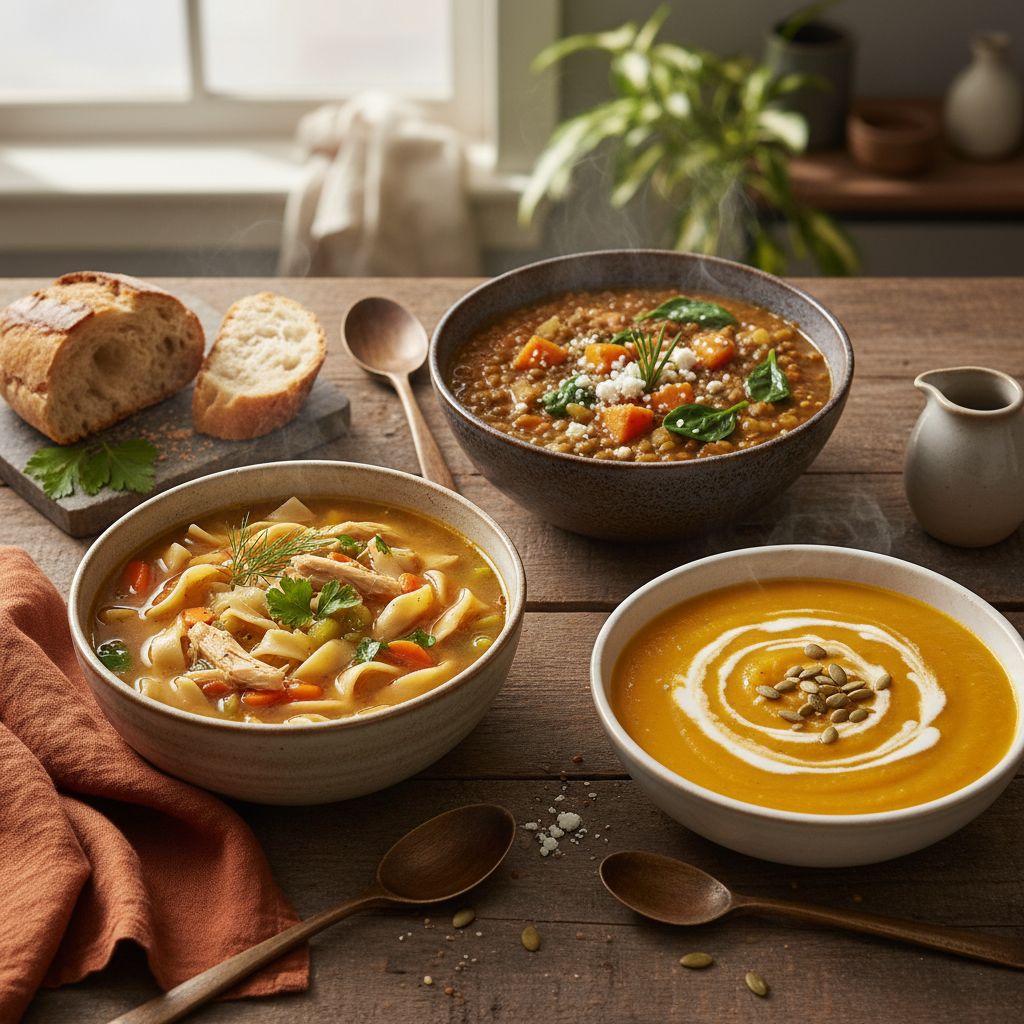
1) Weeknight chicken and veggie soup (not bland)
Why it works: you build flavor fast by cooking aromatics well, then adding chicken and finishing with acid.
- Sauté onion, celery, carrot in oil with a pinch of salt until it smells sweet.
- Stir in garlic, then a spoon of tomato paste or a pinch of turmeric for depth.
- Add broth, simmer with chicken thighs or shredded rotisserie chicken.
- Add noodles or rice near the end, keep them slightly under so reheating doesn’t turn them mushy.
- Finish with lemon juice, black pepper, and chopped parsley.
Swap idea: no chicken? Use white beans and a little smoked paprika for a similar “cozy” effect.
2) Lentil and tomato soup that eats like a meal
Lentils are forgiving and quick. They also thicken the pot naturally, which is why this is a go-to cold-weather option.
- Cook onion and carrot, then bloom cumin or curry powder for 30 seconds.
- Add lentils, canned tomatoes, and broth, simmer until tender.
- Stir in spinach at the end, add a splash of vinegar or lemon.
- If it tastes flat, add salt and acid, most people only add one.
Swap idea: add sausage if you want it richer, or keep it vegan with olive oil and extra aromatics.
3) Creamy roasted (or not-roasted) veggie soup
This is the “use what you have” category: cauliflower, butternut squash, carrots, even broccoli stems. The trick is building enough flavor before blending.
- Cook onion and garlic, add chopped vegetables and broth, simmer until very soft.
- Blend until smooth, then adjust thickness with more broth.
- Add dairy, coconut milk, or a small spoon of cream cheese for body.
- Finish with a drizzle of olive oil and cracked pepper.
Swap idea: if you want a smoky vibe, add smoked paprika and top with toasted pepitas.
4) Pantry chili-soup for “I need something real” nights
This one sits between soup and stew, and it’s the pot that usually tastes even better tomorrow.
- Brown ground turkey or beef well, don’t rush that part.
- Add onion, then chili powder and cumin, let spices hit the hot fat briefly.
- Add canned tomatoes, beans, and broth to the thickness you like.
- Simmer, then adjust with salt and a tiny pinch of sugar if tomatoes taste sharp.
Swap idea: use lentils instead of meat, and add a spoon of cocoa or espresso powder if you like deeper chili flavor.
Flavor fixes: how to make soup taste like you actually tried
Even good soup recipes can taste “thin” if a few key steps are skipped. The good news is most fixes happen in the last five minutes.
- It tastes bland: add salt in small steps, then add acid (lemon or vinegar). Salt boosts overall flavor, acid adds brightness.
- It tastes flat or one-note: add an umami booster like miso, soy sauce, Parmesan rind, or a bit of tomato paste.
- It’s too thick: add broth or hot water, then re-check seasoning.
- It’s too thin: simmer uncovered, blend a portion, or add a small potato and cook until it breaks down.
- It feels heavy: lighten with herbs, citrus, or a crisp topping like scallions.
Key takeaway: “more spice” is not always the answer; many soups just need better balance between salt, fat, and acid.
Practical meal-prep: store, freeze, and reheat without ruining texture
If you’re making soup on purpose for leftovers, plan for ingredients that hold up. Pasta, rice, and some vegetables keep cooking after the heat goes off, which is where a lot of leftover disappointment starts.
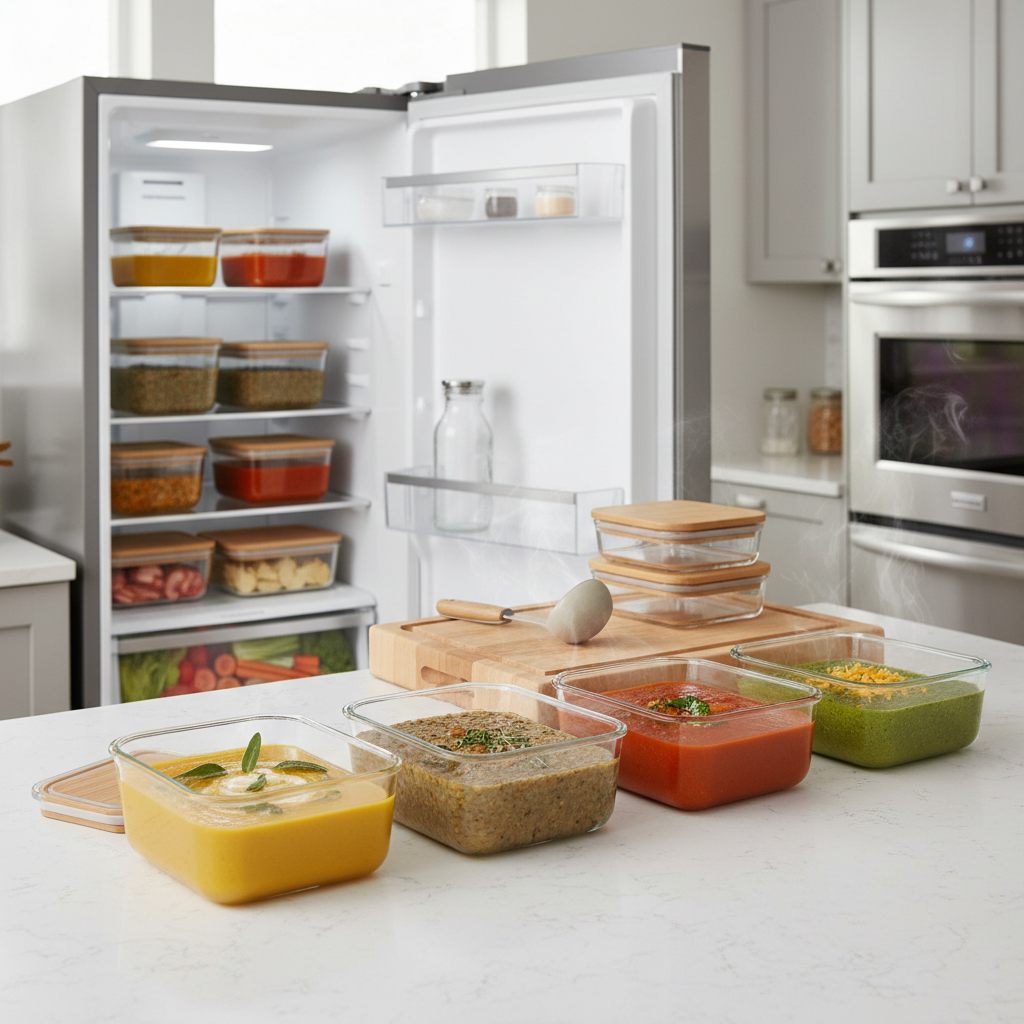
- Keep noodles and rice separate when possible, cook and add per bowl.
- Cool safely: divide into shallow containers so it drops in temperature faster, then refrigerate. According to USDA Food Safety and Inspection Service, this helps reduce food-safety risk during cooling.
- Freeze smart: bean soups, lentil soups, and blended vegetable soups usually freeze well. Creamy dairy-heavy soups sometimes separate, they can still be fine, but texture may change.
- Reheat gently: simmer, don’t aggressively boil, especially for soups with dairy or delicate noodles.
If you have health conditions or special dietary needs, it’s worth checking with a qualified professional about sodium targets or ingredient restrictions, since many comforting soups can run salty without careful adjustment.
A simple “cold day soup” routine you can follow this week
If decision fatigue is the real problem, use a small routine and repeat it. This is how many home cooks keep winter dinners on track without overthinking.
- Pick one brothy soup for a quick night, like chicken and veggie.
- Pick one hearty pot for leftovers, like lentil soup or chili-soup.
- Pick one blended soup for a lighter night, using whatever vegetables you can get.
- Choose two toppings you actually like: herbs, lemon, hot sauce, shredded cheese, Greek yogurt, croutons.
Write those three into your week, shop once, and you’ll have multiple dinners without needing a brand-new plan each day.
Conclusion: make soup night feel easy, not like a project
Good soup recipes for cold days are less about fancy steps and more about picking the right style, building flavor early, and fixing balance at the end. Once you have two or three dependable pots in rotation, winter cooking gets calmer.
Tonight, choose one category from the table, commit to one finishing touch like lemon or herbs, and save the “perfect recipe” hunt for another day, your future self will thank you at lunch.
FAQ
What are the best soup recipes for cold days when I’m short on time?
Brothy soups and miso-style soups tend to move fast because they don’t require long simmering for texture. Use rotisserie chicken, canned beans, or frozen vegetables to cut prep time without sacrificing comfort.
How do I make soup taste richer without adding a lot of cream?
Try umami and browning: sauté tomato paste, brown meat well, or add miso or Parmesan rind. Blending a portion of the soup also creates a creamy feel without much dairy.
Why does my chicken soup taste bland even with broth?
Often it needs more than salt, it needs acid and aromatics. A squeeze of lemon at the end and properly cooked onions/carrots can do more than extra bouillon.
Which soups freeze the best for meal prep?
Lentil soups, bean soups, and blended vegetable soups usually freeze well. Soups with pasta can turn soft, so freezing the broth base and adding fresh noodles later tends to work better.
Can I make soup in a slow cooker and still keep good flavor?
Yes, but searing and sautéing first helps. Browning meat and softening onions before they go into the slow cooker often creates a deeper taste than dumping everything in raw.
How can I thicken soup without flour or cornstarch?
Blend a couple cups of the soup and stir it back in, or add potatoes, beans, or red lentils. These ingredients thicken naturally as they cook down.
What’s a good low-effort topping that makes soup feel special?
Something bright and fresh: chopped herbs, lemon zest, or a drizzle of good olive oil. If you like heat, chili crisp or hot sauce adds instant personality with almost no work.
If you’re building a weekly dinner plan and want soup recipes that match your time and pantry, it can help to set up a simple rotation and a short shopping list, it’s a small change that makes cold-day cooking feel much less chaotic.