
shortbread cookies simple is really about one thing: getting a rich, buttery cookie without chasing a long ingredient list or tricky techniques.
If you’ve ever had shortbread turn out dry, crumbly in a bad way, or oddly puffy, it usually comes down to ratios, butter temperature, or overmixing. The good news is that 3-ingredient shortbread is forgiving once you know what to watch.
In this guide, you’ll get a reliable 3-ingredient formula, a quick troubleshooting map, and a few optional add-ins that won’t ruin the classic texture. No fluff, just the stuff that makes the batch work.
What counts as “3 ingredients” shortbread (and what doesn’t)
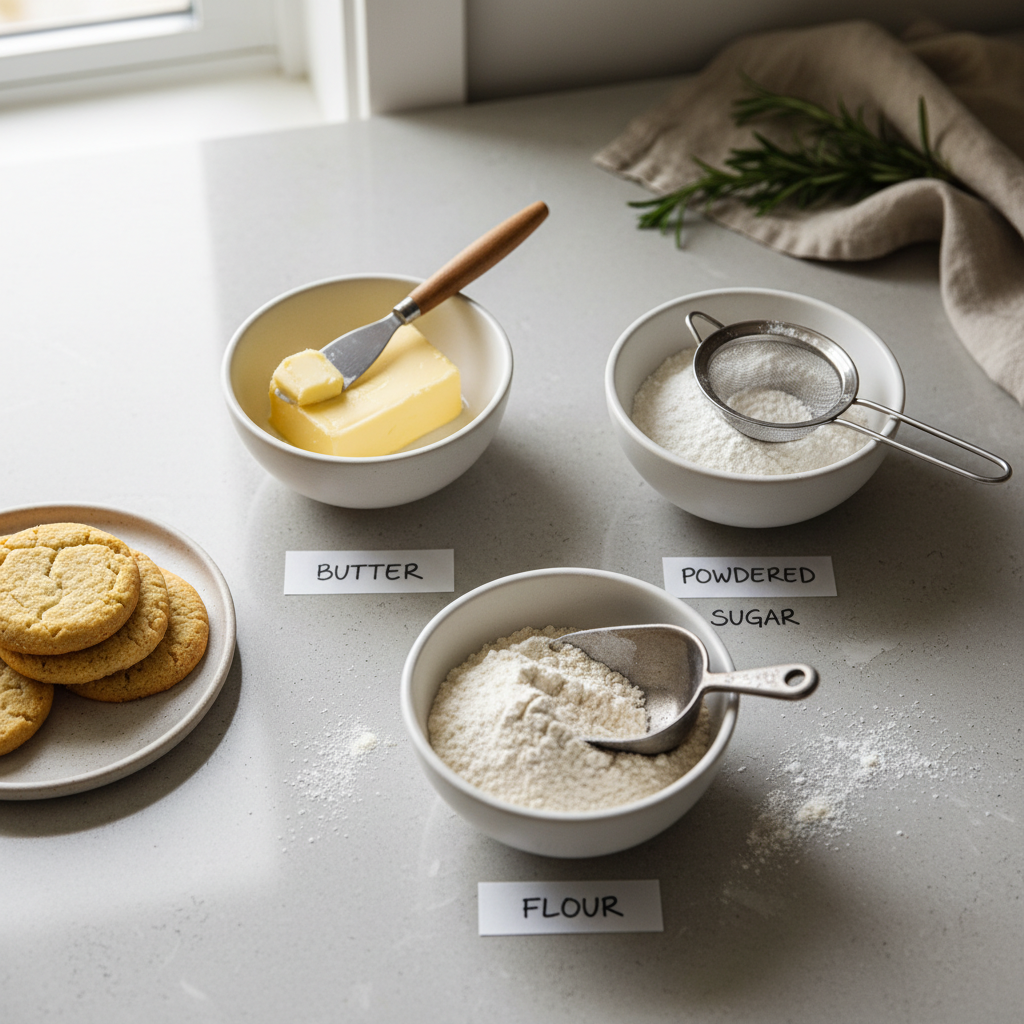
Traditional shortbread revolves around butter, sugar, and flour. Some recipes add salt or vanilla, which I’d call “nice extras,” but not required for a solid cookie.
- Butter: the flavor and texture engine, also controls spread.
- Sugar: sweetness and tenderness; powdered sugar keeps the crumb fine.
- Flour: structure, but too much makes it chalky.
One more note: many “3 ingredient” versions sneak in cornstarch, cream cheese, or almond flour. Those can be great, but they’re different cookies, and the baking behavior changes.
The simplest 3-ingredient recipe (with a dependable ratio)
This is the baseline I’d use when someone asks for shortbread cookies simple and consistent. It bakes evenly, holds shape, and stays tender if you don’t overwork the dough.
Ingredients
- 1 cup (2 sticks) unsalted butter, softened but cool
- 1/2 cup powdered sugar (confectioners’ sugar)
- 2 cups all-purpose flour
Method
- Heat oven to 325°F. Line a sheet pan with parchment.
- Cream butter and powdered sugar until smooth, 1–2 minutes. Avoid whipping it airy.
- Add flour, mix just until no dry streaks remain. If it looks sandy, press it together with a spatula.
- Shape into a 1/2-inch thick slab (or a log to slice). Chill 20–30 minutes for cleaner edges.
- Cut into shapes or squares. Dock with a fork if you want a classic look.
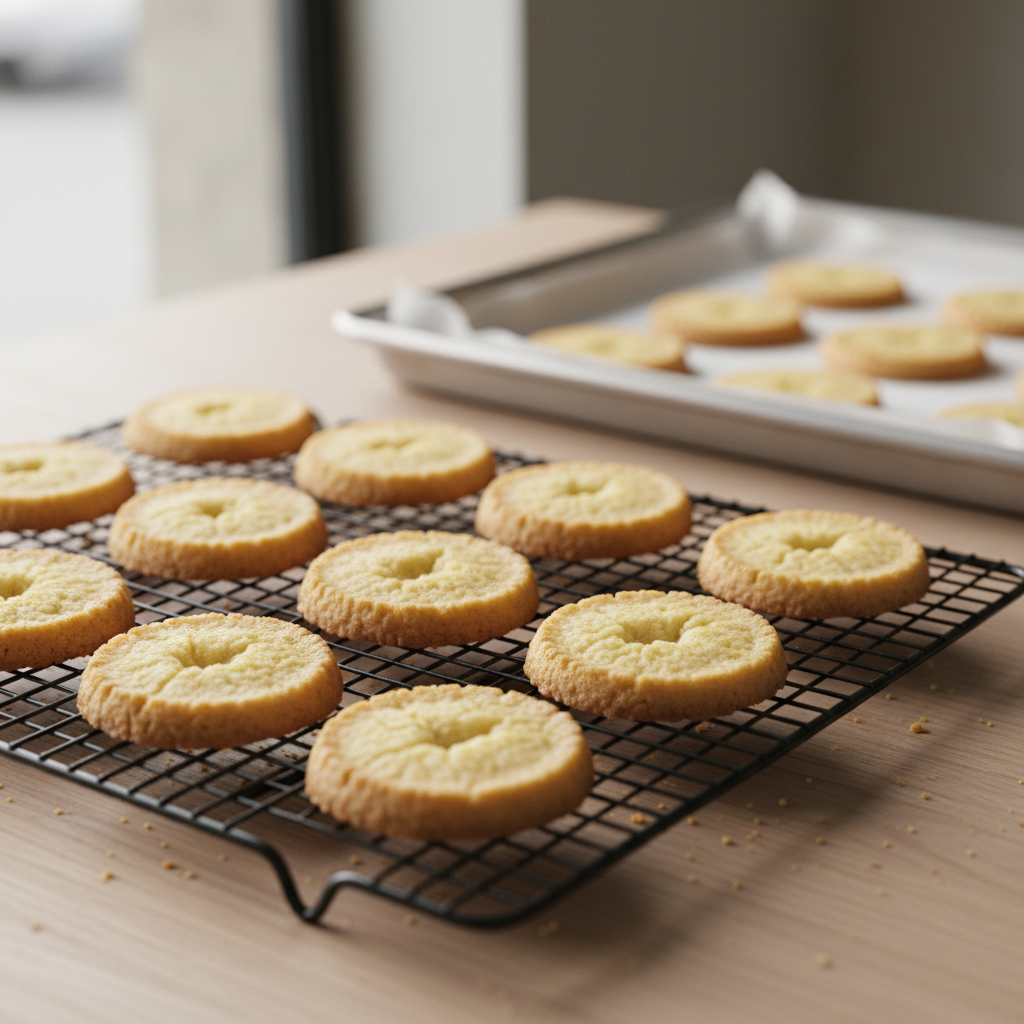
- Bake 18–25 minutes, depending on size, until the edges look lightly golden.
- Cool on the pan 10 minutes, then move to a rack.
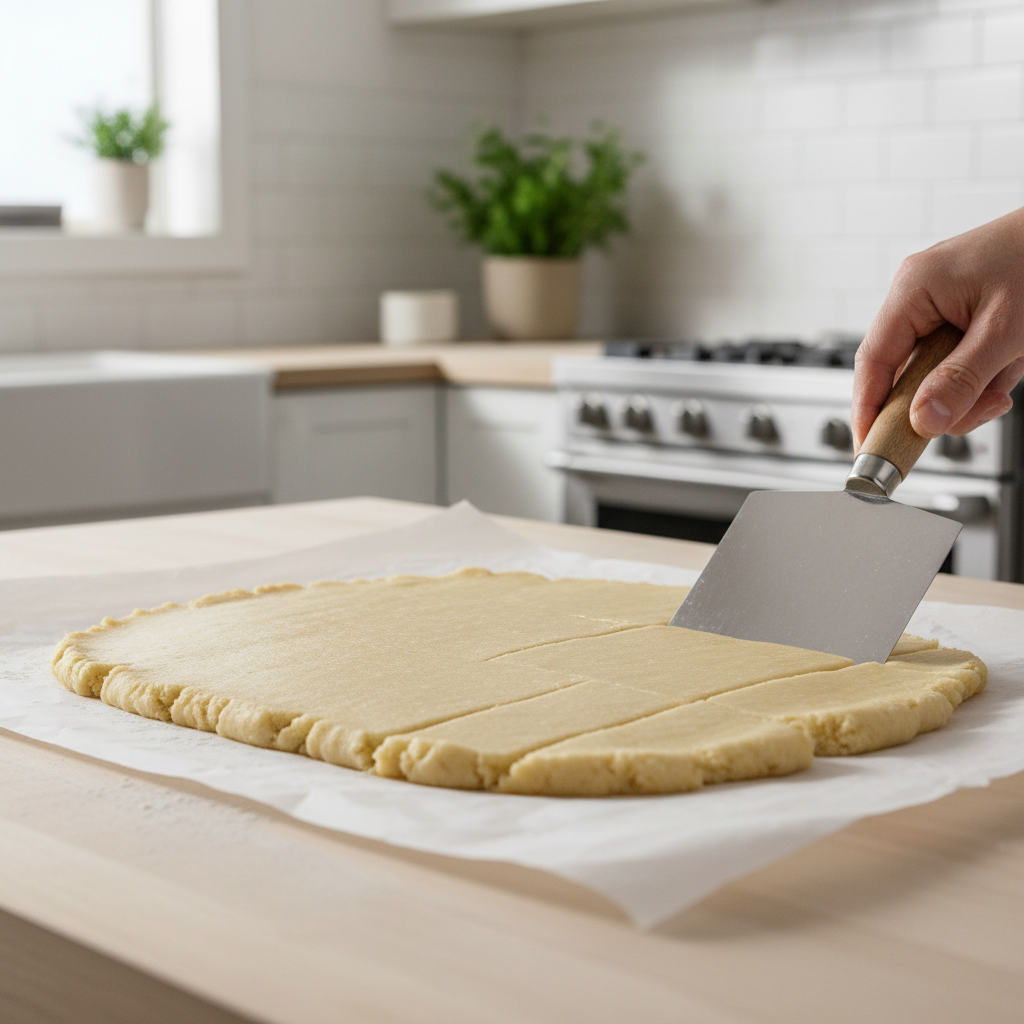
Key point: you’re not trying to build a fluffy dough. Shortbread is “short” because gluten stays low and butter stays in control, so gentle mixing matters.
Quick table: adjust texture without adding new ingredients
Before you change the ingredient list, change the handling. Small moves make a big difference with shortbread.
| Problem | Likely cause | Fix for next batch |
|---|---|---|
| Dry, crumbly and falls apart | Too much flour or overbaked | Spoon-and-level flour, bake a few minutes less, keep thickness consistent |
| Spreads into a thin puddle | Butter too warm | Chill dough 20–30 minutes, start with cool-softened butter |
| Tough or bread-like | Overmixed dough | Mix only until combined, finish by pressing together |
| Pale and bland | Underbaked or low butter flavor | Bake until edges barely golden, choose a butter you like the taste of |
| Cracks while slicing | Dough too cold or dry | Let log sit 5 minutes, use a sharp knife, slice with steady pressure |
Self-check: which shortbread situation are you in?
If your results keep changing, it’s usually one of these scenarios.
- You measure flour by scooping, which often packs extra flour into the cup.
- Your butter is nearly melted because the kitchen is warm or it sat too long.
- You chase “smooth dough” and mix longer than needed, building gluten.
- Your cookies aren’t uniform thickness, so some bake dry while others stay soft.
According to USDA Food Safety and Inspection Service, butter and other perishable dairy should not sit out at room temperature for extended periods because of food safety risk, so if your butter has been out for many hours, it’s safer to start fresh or keep it refrigerated until closer to baking.
Practical tips that actually improve 3-ingredient shortbread
Butter temperature: “soft” has a range
You want butter that dents when pressed but still holds its shape. If it looks shiny or greasy, chill it 10 minutes before mixing. This one change fixes a lot of “why did it spread?” moments.
Mix less than you think
Stop when the flour disappears. If the dough looks crumbly, that’s not failure, that’s normal; press it together and it will behave.
Chill for shape, not for flavor
Chilling helps the cookies keep edges clean. It’s especially helpful if you cut shapes or slice rounds from a log.
Pick the right bake cue
Shortbread often stays fairly pale, so don’t wait for deep browning. Look for a faint golden rim and a dry, set surface. If you bake until fully golden everywhere, it can tip from tender to dry.
Optional add-ins (when you want variety without losing the “shortbread” feel)
These are optional, but if you add them thoughtfully, the cookies still read as classic shortbread.
- Pinch of salt: makes the butter taste louder, especially with unsalted butter.
- Vanilla extract: 1/2 teaspoon for a gentle bakery note.
- Citrus zest: lemon or orange zest keeps things bright.
- Dipped chocolate: dip cooled cookies, then let set on parchment.
If you add a lot of wet flavorings, the dough can soften and spread more, so chilling becomes less optional.
Key takeaways before you bake your next batch
- Ratio matters more than “secret ingredients.” Butter, powdered sugar, flour can be enough.
- Butter temperature controls spread. Cool-softened beats greasy-soft every time.
- Mixing is where most people lose tenderness. Combine, then stop.
- Bake to light-golden edges for that classic crisp-tender bite.
If you want a no-stress win, start with the basic slab method, chill briefly, and keep the thickness even. That’s the path to shortbread that tastes “simple” in the good way.
FAQ
Why are my 3-ingredient shortbread cookies turning out dry?
Most batches go dry from too much flour (packed cups) or staying in the oven a bit too long. Try spoon-and-level measuring, and pull them when edges just begin to color.
Can I use granulated sugar instead of powdered sugar?
You can, but the texture often turns more crunchy and a little less delicate. If your goal is shortbread cookies simple and tender, powdered sugar usually gets you there faster.
Do I really need to chill the dough?
Not always, but chilling helps with clean edges and less spread, especially in a warm kitchen. If your butter softened quickly, chilling is the easiest correction.
How do I know when shortbread is done if it stays pale?
Look at the edges and the surface: edges lightly golden, tops set and no longer glossy. If you wait for strong browning, the texture can drift dry.
Why did my cookies spread even though I measured correctly?
Butter temperature is the usual culprit. Also check your pan: dark pans can heat faster, and overcrowding can make heat uneven, both of which can change spread and browning.
Can I freeze shortbread dough?
Usually yes. Shape into a log or slab, wrap well, and freeze. Thaw in the fridge until sliceable, then bake; timing may need a small bump depending on thickness.
How long do shortbread cookies keep?
In many home kitchens, they hold up for several days in an airtight container. If your climate is humid, they may soften sooner, and a quick re-crisp in a low oven can help.
A simple next step if you want this to be even easier
If you’re trying to build a small “go-to” baking routine, write your favorite ratio on a note and keep it with your baking sheet, then tweak only one variable at a time like chill time or thickness. That way, shortbread stays simple, and you still get consistent results batch to batch.