
best rice pudding recipe creamy easy is really about two things: choosing the right rice and controlling heat so you get a silky, spoon-coating pudding instead of a pot of sticky starch.
If you have had rice pudding turn out bland, watery, or oddly thick the next day, you are not alone. Most “easy” recipes skip the little decisions that actually matter, like when to add sugar, how hard to simmer, and how to finish so it stays creamy after chilling.
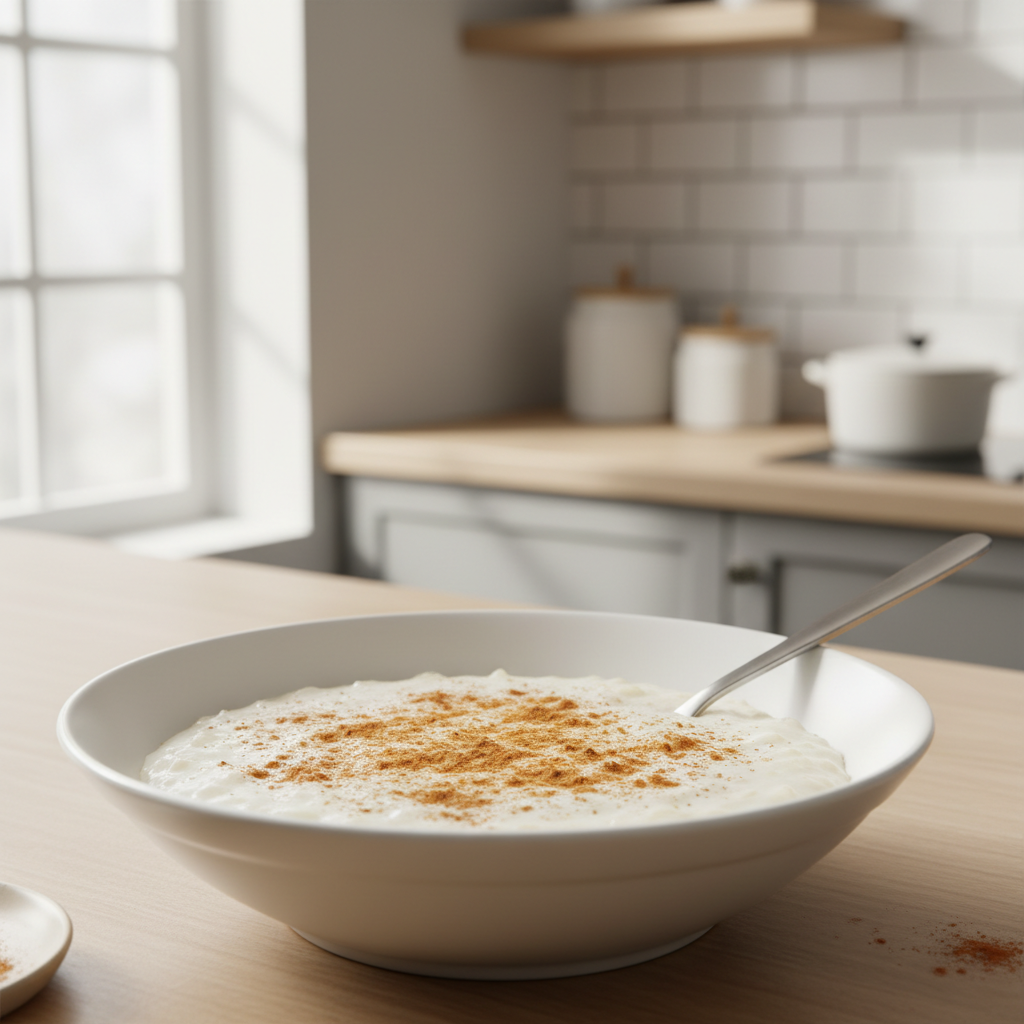
This guide keeps the ingredient list simple, but it does not pretend every stove behaves the same. You will get a reliable base recipe, quick texture “rescue” moves, and a few variations that taste like you planned ahead even if you did not.
What makes rice pudding creamy (and why some batches fail)
Creaminess usually comes from a mix of gentle starch release and enough fat to carry flavor. When it misses, it is often one of these real-world issues.
- Boiling too hard: aggressive heat breaks the milk proteins and over-releases starch, pushing the texture toward gluey.
- Using the wrong rice: long-grain can work, but it tends to cook up less lush than medium-grain or Arborio.
- Adding sugar too early: sugar can slow softening and encourages scorching on the bottom if heat runs high.
- Not enough liquid at the end: it thickens as it cools, so you want it a touch looser than “perfect” in the pot.
According to the USDA, cooked rice is a time-and-temperature sensitive food, so if you plan to store leftovers, cooling and refrigeration timing matters for safety as well as texture.
Ingredients: the simple list, plus smart substitutions
This is an American-style stovetop pudding, no eggs required. If you want an egg-enriched version, there is a note later on when to temper.
Base ingredients
- 1 cup medium-grain rice (Arborio works great)
- 4 cups whole milk (or 3 cups whole milk + 1 cup half-and-half for extra richness)
- 1/3 to 1/2 cup sugar (adjust to taste)
- 1/4 tsp kosher salt
- 1 tsp vanilla extract
- 1/2 tsp ground cinnamon (optional) + more for serving
- 1 tbsp butter (optional, but helps with sheen and mouthfeel)
Substitutions that still stay “easy”
- Dairy-free: many people have decent results with oat milk plus a spoon of coconut cream, but it can vary by brand and thickener.
- Lower sugar: reduce sugar and increase vanilla, cinnamon, and a pinch more salt for balance.
- Raisins: stir in at the end, or soak in warm water or rum first so they do not steal moisture.
Quick texture cheat sheet (use this before you panic)
If you are chasing the best rice pudding recipe creamy easy, this little table saves time because it tells you what to do based on what you see in the pot.
| What you notice | Likely cause | Fix you can do now |
|---|---|---|
| Still crunchy after 30–35 min | Heat too low or not enough simmer time | Add 1/2 cup milk, keep at a gentle simmer, stir more often |
| Thick and paste-like | Overcooked or too much starch release | Whisk in warm milk 1–2 tbsp at a time until loosens |
| Watery and bland | Not reduced enough or under-seasoned | Simmer 5–10 min longer, add pinch salt + splash vanilla |
| Scorched taste | Heat too high or not stirred near the end | Do not scrape bottom, ladle the top into a clean pot and finish |
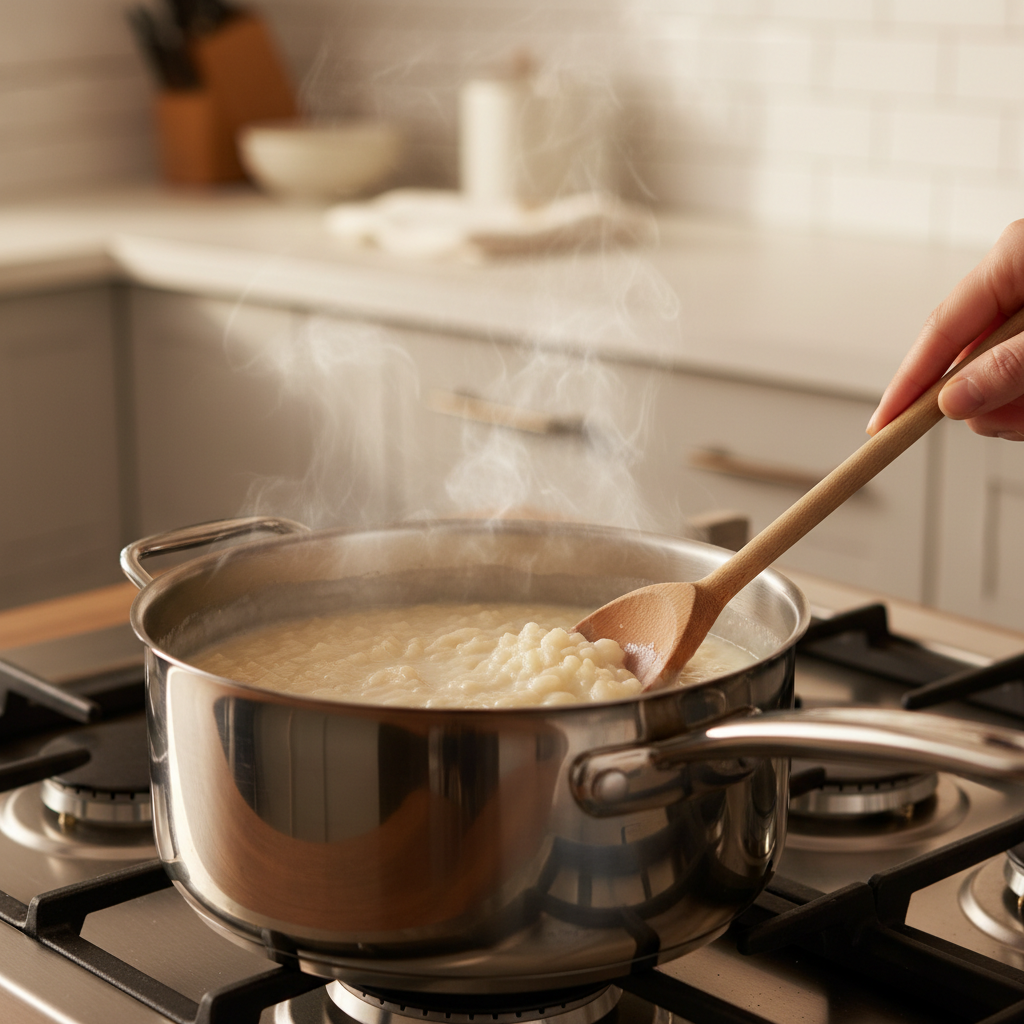
Step-by-step: Best easy creamy rice pudding (stovetop)
This method keeps the rice cooking in milk from the start, which builds a naturally creamy body. The main skill is holding a quiet simmer, not a boil.
1) Rinse (lightly) and start the pot
Rinse rice for just a few seconds, then drain. You are not trying to wash away everything, you just want to remove dusty surface starch that can push things toward gummy.
In a medium heavy-bottom pot, combine rice, milk, salt, and cinnamon if using. Set over medium heat and bring to a bare simmer, stirring often as it warms.
2) Simmer gently, stir more as it thickens
Once it reaches a quiet simmer, turn heat down to medium-low. Cook 25–40 minutes, depending on your stove and rice, stirring every few minutes early and nearly constantly in the last 8–10 minutes.
- Look for rice that tastes tender, not chalky in the center.
- Texture should look creamy with slow bubbles, not rapid boiling.
3) Add sugar near the end
When rice is almost tender, stir in sugar. Cook 5–8 minutes more, just until the pudding looks slightly looser than your final goal.
Turn off heat, then stir in vanilla and butter if using.
4) Rest, then serve or chill
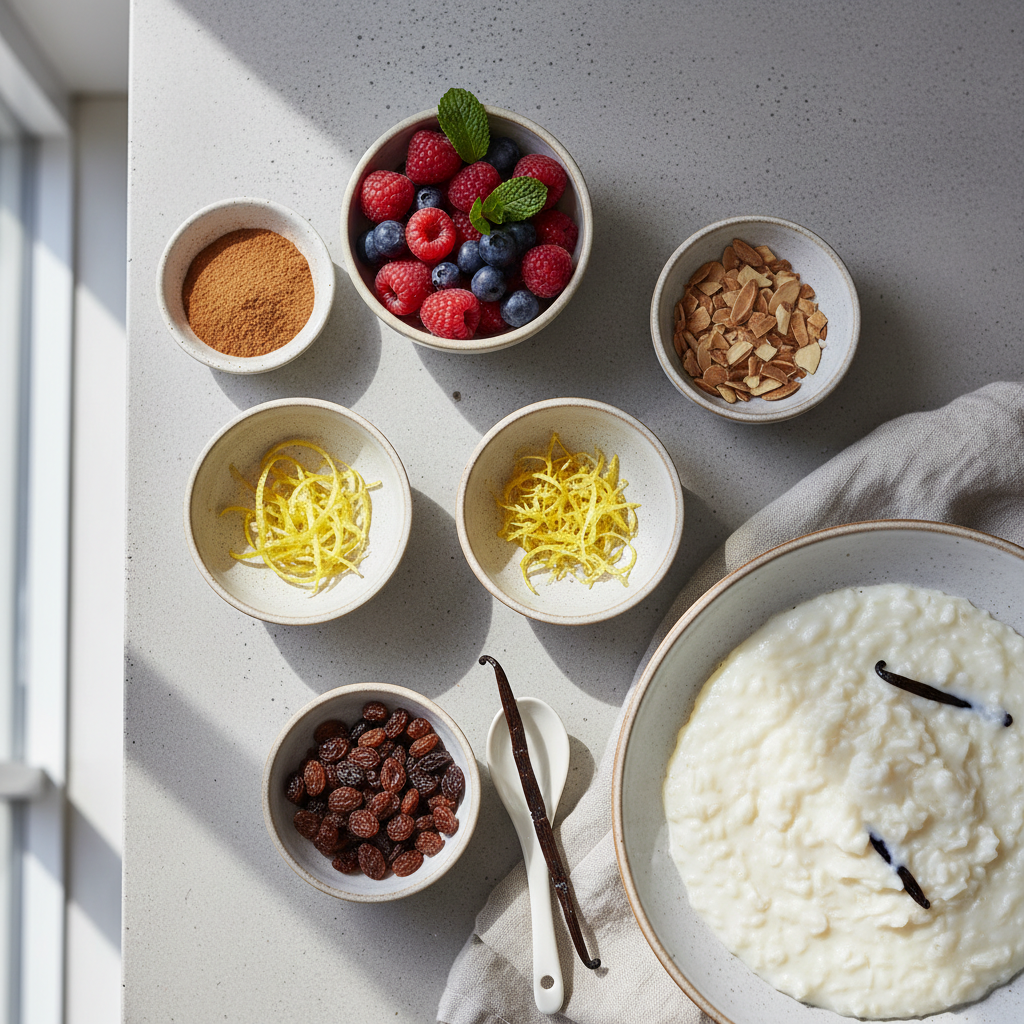
Rest 10 minutes. Serve warm with cinnamon, berries, or toasted nuts. For chilled pudding, cool quickly, then refrigerate in a covered container.
When cold, it thickens, so loosen with a splash of milk and a quick stir before serving.
Key points that make it “best” without making it complicated
- Heavy-bottom pot matters: it reduces hot spots, which reduces scorching risk.
- Salt is not optional: a small pinch makes dairy desserts taste more like themselves.
- Finish looser than you think: if it looks perfect in the pot, it may set too thick later.
- Stirring is timing, not nonstop: save the arm workout for the last 10 minutes.
If you want that classic “diner comfort” feel, keep flavors clean: vanilla, cinnamon, maybe a little orange zest. When people overdo mix-ins, texture problems get blamed on the recipe.
Flavor variations (same base, different vibe)
Once you have the creamy base, switching flavors is easy. Just do it with a light hand so the pudding still tastes like rice pudding, not like a spice cabinet.
Classic cinnamon-raisin
- Stir in 1/3 cup raisins at the end.
- Add a pinch of nutmeg with the cinnamon.
Lemon-vanilla “bright” version
- Add 1 tsp lemon zest off-heat.
- Skip cinnamon, add extra vanilla.
Chocolate swirl (without turning it into pudding pudding)
- Whisk 2 tbsp cocoa with 2 tbsp sugar, add with the sugar step.
- Finish with mini chocolate chips while warm if you want little pockets.
Storage, reheating, and food-safety notes
Rice pudding is a cooked rice dish, so treat leftovers with a little respect. According to the USDA, cooked rice should be cooled quickly and refrigerated, and it should not sit at room temperature for extended periods. If you are cooking for someone pregnant, older, or immunocompromised, it may be worth being extra conservative and asking a healthcare professional for guidance.
- Cooling: spread into a shallow container so it cools faster, then cover and refrigerate.
- Reheating: warm gently on the stove with a splash of milk, stirring until creamy.
- Texture on day 2: it will tighten, that is normal, add milk a tablespoon at a time.
Common mistakes (and the small changes that fix them)
- Cranking heat to “save time”: you usually pay for that with scorching or grainy dairy. Lower heat and be patient.
- Skipping the rest: a short rest helps the starch settle, giving you a smoother spoonful.
- Over-rinsing the rice: you can rinse away too much surface starch, then wonder why it tastes thin.
- Measuring by vibes on the first try: once you know your stove, eyeballing works, but start with the base ratios.
If your goal is the best rice pudding recipe creamy easy for weeknights, keep it predictable, master the base, then add your “fun” on top.
Conclusion: a creamy pot now, and a better bowl tomorrow
The batch that tastes like it came from someone’s family notebook is usually the one cooked gently, sweetened late, and finished a little loose. Make the base once, take notes on your simmer level, then lock it in as your house recipe.
If you want a simple next step, cook one batch with medium-grain rice and whole milk, then try one small variation like lemon zest or raisins, you will learn what “creamy” means on your stove fast.
FAQ
What rice is best for creamy rice pudding?
Medium-grain tends to land in the sweet spot, creamy without turning gluey. Arborio also works well if you like a richer, thicker body.
Can I make this best rice pudding recipe creamy easy with leftover cooked rice?
You can, and it is convenient, but the texture is a bit different because the rice has already set. Start with less simmer time and add warm milk gradually until it turns creamy.
Why does my rice pudding get thick in the fridge?
Starch keeps absorbing liquid as it cools, so thickening is expected. Stir in a splash of milk before serving, it usually comes right back.
How do I prevent scorching on the bottom?
Use a heavy-bottom pot, keep the heat at a gentle simmer, and stir more often near the end when sugar is in the pot. If you smell scorching, move the pudding to a clean pot without scraping the bottom.
Is it okay to use nonfat milk?
It can work, but it tastes less rich and can seem more “thin” even when thickened. Many people prefer at least 2% or a blend with a little half-and-half.
Can I add eggs for a custard-style rice pudding?
Yes, but you will want to temper the eggs, meaning slowly whisk hot pudding into beaten egg, then return to low heat briefly. If you are unsure, stick to the egg-free version because it is more forgiving.
How long does homemade rice pudding keep?
Storage time can vary by refrigerator temperature and handling. Follow USDA-style food-safety guidance, refrigerate promptly, keep it covered, and when in doubt, discard if smell or texture seems off.
If you are cooking for a holiday table, meal prep, or picky eaters and you want this to feel effortless, it helps to write your exact simmer time and preferred sweetness on the recipe card so next batch tastes the same without overthinking it.