
best mattar paneer recipe green pea searches usually mean one thing: you want that cozy, restaurant-style curry where the gravy tastes layered, peas stay sweet, and paneer feels soft, not rubbery.
A lot of recipes fail in two spots, the base gravy ends up flat or watery, and the paneer turns chewy because it gets cooked too long or goes in too early. The good news, both problems come down to a few controllable steps, not “secret spices.”
This guide keeps it practical for a US kitchen, with clear ingredient swaps, a timing map, and quick troubleshooting. If you cook Indian food often, you’ll notice the method matters more than chasing a perfect spice list.
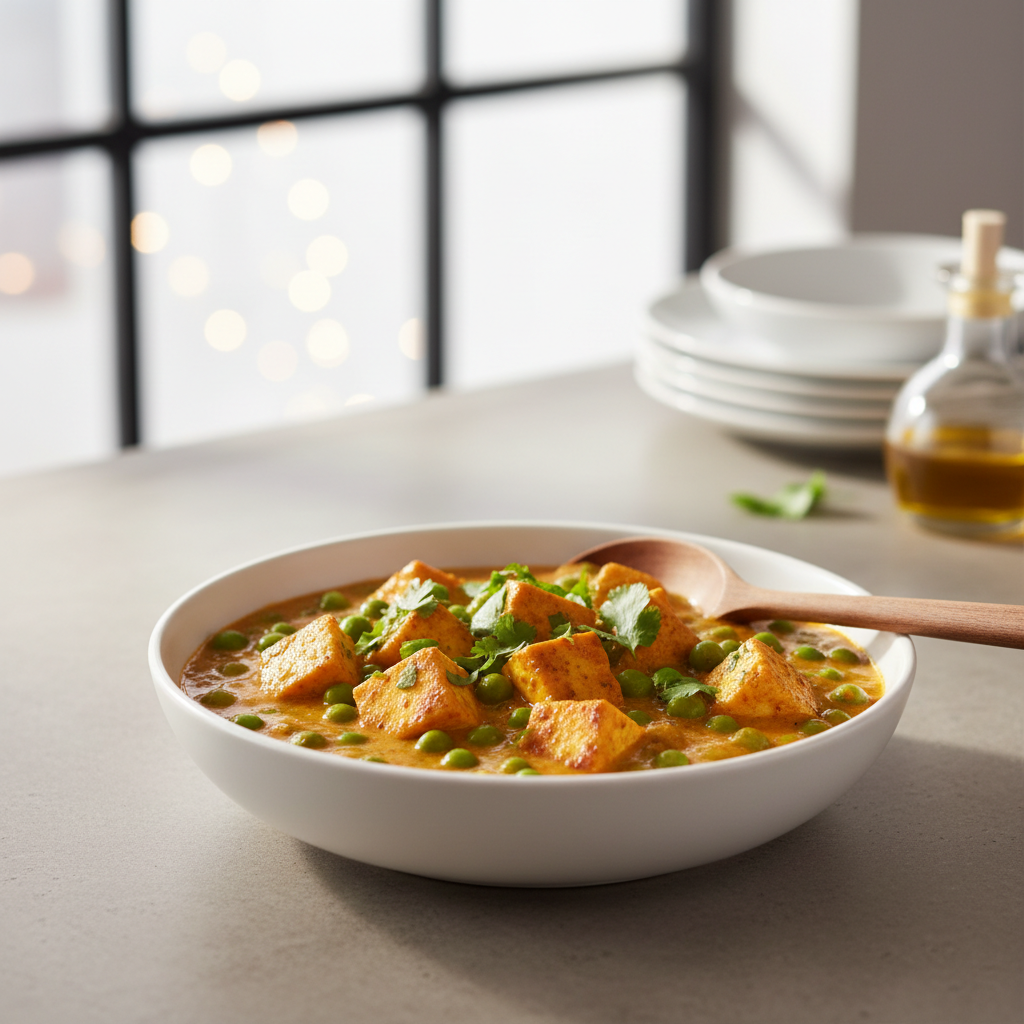
What makes a “best” mattar paneer in real life
Everyone says “restaurant-style,” but in practice you’re chasing three things: a smooth, slightly sweet tomato-onion gravy, balanced warming spices, and paneer that stays tender while holding its shape.
- Flavor depth: built by browning onions well and briefly blooming spices in fat.
- Texture: a blended base and the right amount of simmering so it thickens without turning pasty.
- Paneer tenderness: added near the end, often with a short soak step if it’s store-bought.
According to USDA FoodData Central, peas and dairy bring protein and micronutrients, but this is still a rich dish, portioning and sides matter if you watch calories or sodium.
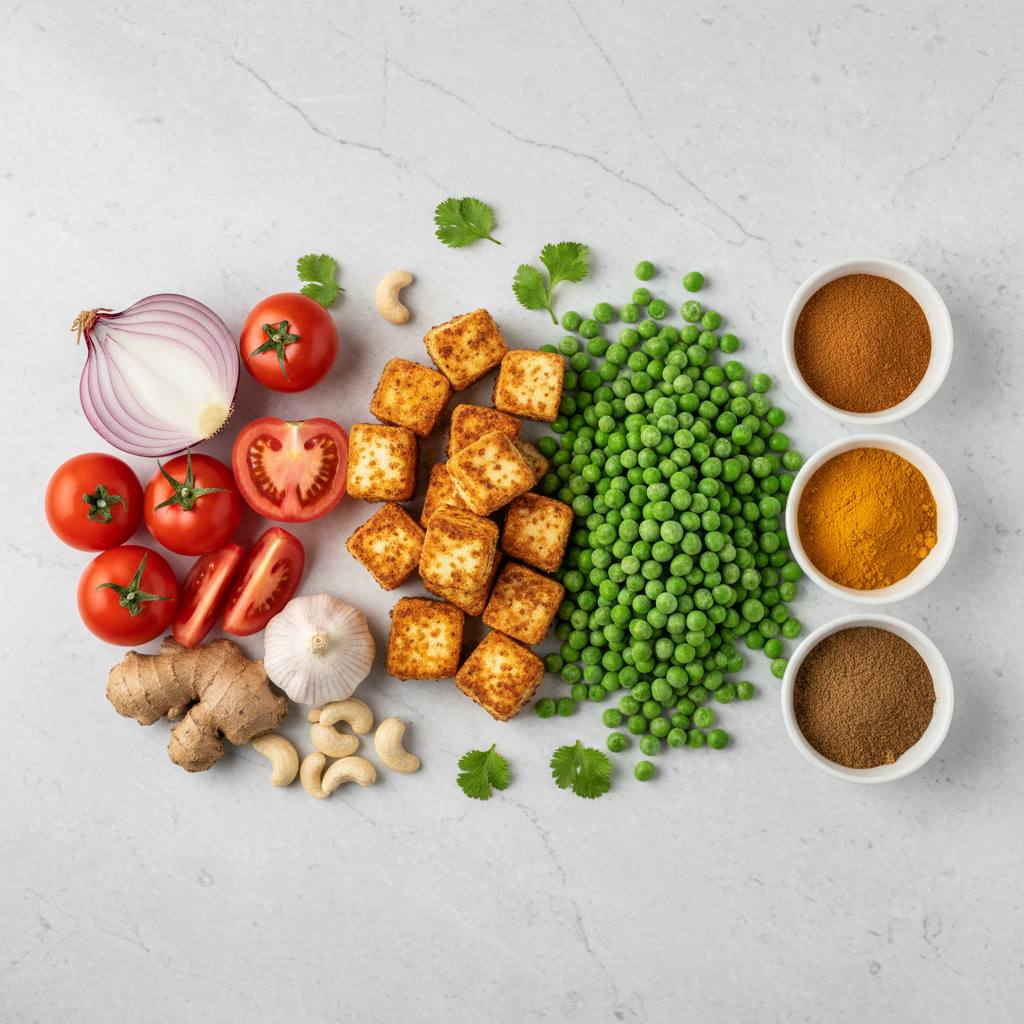
Ingredients you’ll actually use (and smart US grocery swaps)
This is written for typical US stores, you can still make a satisfying version even if you shop at Trader Joe’s, Kroger, Whole Foods, or an Indian market.
Core ingredients
- Paneer: store-bought paneer works, halloumi is not a good swap because it’s saltier and “squeaky.”
- Green peas: frozen peas are ideal, canned peas can taste dull and mushy.
- Onion + tomato: the backbone of the gravy.
- Cashews (or blanched almonds): for a creamy body without heavy cream.
- Spices: cumin, coriander, turmeric, Kashmiri chili (or mild paprika), garam masala.
Flavor boosters (optional but noticeable)
- Kasuri methi (dried fenugreek leaves): gives that “why does this taste like takeout?” aroma.
- Ginger + garlic: fresh tastes brighter, paste saves time.
- Heavy cream or half-and-half: a small splash softens acidity, keep it modest.
Quick table: ingredient roles and substitutions
Use this when you’re missing one item and don’t want to abandon dinner.
| Ingredient | What it does | Best substitute | What to watch |
|---|---|---|---|
| Cashews | Creates creamy, thick gravy | Blanched almonds or a little cream | Too much can taste “nutty” and heavy |
| Kashmiri chili | Color + mild warmth | Mild paprika + a pinch cayenne | Add cayenne slowly, heat jumps fast |
| Kasuri methi | Signature restaurant aroma | Small pinch fenugreek powder | Fenugreek powder can go bitter easily |
| Paneer | Soft, milky protein | Extra-firm tofu (for a dairy-free version) | Press tofu and season it, it’s bland on its own |
| Fresh tomatoes | Acidity and body | Canned crushed tomatoes | Canned can be more acidic, balance with cream/sugar |
Best Green Pea Mattar Paneer Recipe (step-by-step)
This is the method that tends to produce the most consistent results in a home kitchen: build a strong base, blend it, simmer briefly, then add peas and paneer at the end.
Ingredients (serves 4)
- 2 tbsp neutral oil or ghee
- 1 medium yellow onion, sliced
- 1 tbsp ginger-garlic paste (or 1 tbsp grated ginger + 3 cloves garlic)
- 2 medium tomatoes, chopped (or 1 cup canned crushed tomatoes)
- 12–15 raw cashews, soaked 10 minutes in hot water, drained
- 1 tsp ground coriander
- 1/2 tsp ground cumin
- 1/2 tsp turmeric
- 1–1 1/2 tsp Kashmiri chili powder (or mild paprika)
- 1 tsp garam masala
- 1–1 1/4 tsp kosher salt, adjust to taste
- 1 cup frozen green peas
- 12–14 oz paneer, cubed
- 1/2 cup water, more as needed
- 2 tbsp heavy cream (optional)
- 1 tsp crushed kasuri methi (optional)
Step 1: Prep paneer so it stays soft
If your paneer feels firm from the package, soak cubes in warm salted water for 10 minutes, then drain. This small step prevents that chewy bite many people blame on “overcooking” alone.
Step 2: Cook the base until it smells sweet, not raw
Heat oil or ghee in a skillet over medium. Add onion and cook until golden, not just translucent, you want some browning for depth. Add ginger-garlic and cook 30–60 seconds, then add tomatoes and cook until the mixture looks jammy and oil starts to separate at the edges.
Step 3: Blend for the signature texture
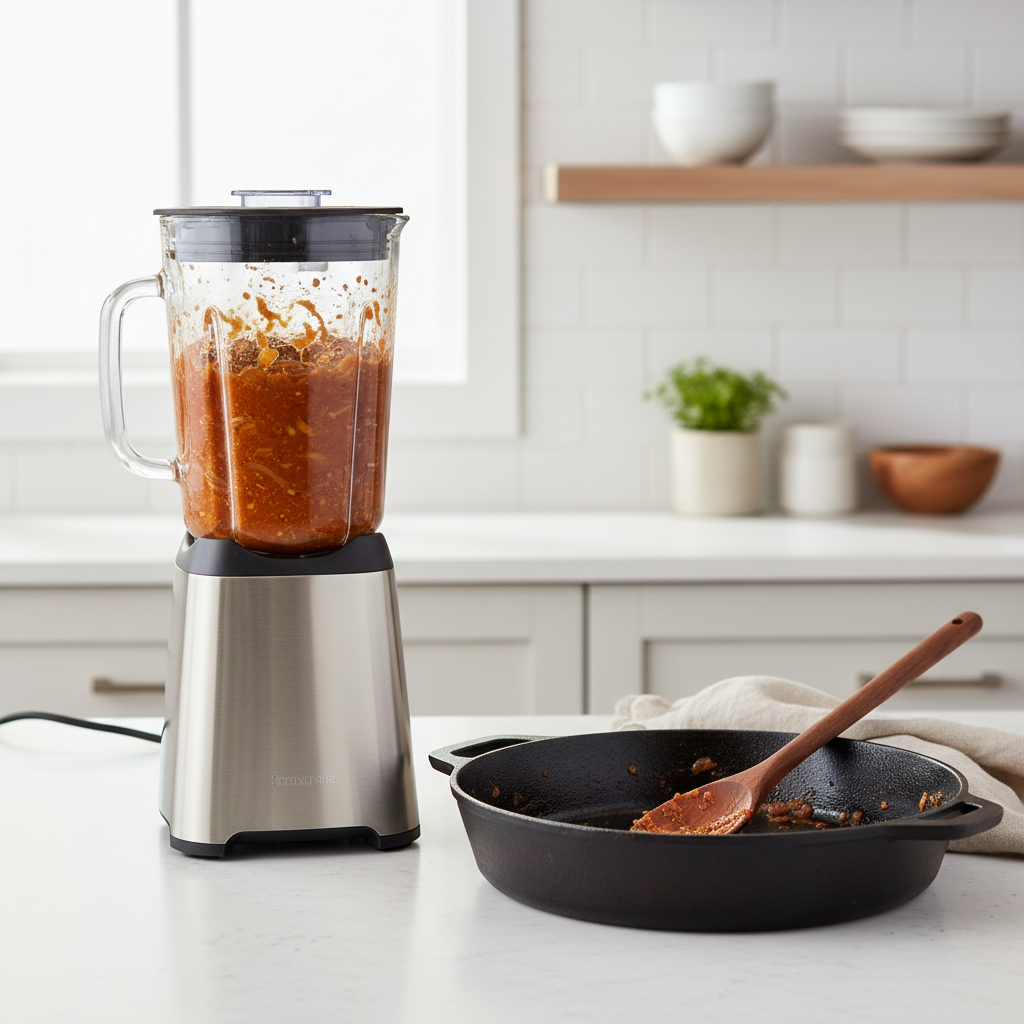
Add cashews and 1/4 cup water, simmer 2 minutes, then blend until smooth. Be careful with hot liquids, vent the blender lid and blend in batches if needed.
Step 4: Bloom spices briefly, then simmer
Return the blended gravy to the pan. Add coriander, cumin, turmeric, and Kashmiri chili, stir for 30 seconds so the spices “wake up” without burning. Add remaining water gradually until you get a pourable curry consistency, then simmer 6–8 minutes.
Step 5: Add peas, then paneer near the finish
Stir in peas and simmer 3–4 minutes. Add paneer and cook 2 minutes, just enough to warm through. Turn heat low, mix in garam masala, kasuri methi, and cream if using, then taste for salt.
Self-check: why your mattar paneer tastes “off”
If you’ve tried a similar recipe and felt disappointed, it’s usually one of these issues, and most fixes are quick.
- Bland: onions not browned enough, spices not cooked in fat, or salt added too late.
- Too acidic: tomatoes undercooked, canned tomatoes too sharp, missing a balancing note like cream or a tiny pinch of sugar.
- Watery: base not simmered long enough after blending, too much water early.
- Grainy sauce: cashews not soaked, blender not strong enough, or not blended long enough.
- Rubbery paneer: paneer simmered too long, or added while gravy still aggressively boiling.
Practical tips that change the outcome
These are the small choices that typically separate an okay curry from the best mattar paneer recipe green pea experience people expect.
Keep heat moderate during onion browning
High heat burns edges before sugars develop, which can make the gravy taste harsh. Medium heat feels slower, but it’s safer and tastes better.
Don’t rush the tomato cookdown
If tomatoes still smell raw, the curry reads tangy and thin. Cook until the mix looks thicker and deeper red, then blend.
Add garam masala at the end
Garam masala is aromatic, long simmering can mute it. Stir it in with heat low, let it sit 2 minutes, then serve.
Use peas like a “freshness” note
Frozen peas cook fast. If you boil them too long, they lose sweetness and turn dull, add them late.
Serving ideas, storage, and make-ahead moves
Mattar paneer is forgiving for weeknights if you separate the base from the final assembly.
- Serve with: basmati rice, naan, roti, or even warm pita in a pinch.
- Bright side: cucumber salad, pickled onions, or a squeeze of lemon right before eating.
- Make ahead: cook and blend the gravy, refrigerate up to 3 days, then reheat and add peas and paneer right before serving.
- Freeze: the gravy freezes well, paneer texture sometimes changes after freezing, many people prefer adding fresh paneer after thawing.
Common mistakes (and how to avoid wasting a batch)
A few missteps show up again and again, mostly from trying to be “efficient.”
- Overcrowding the pan: onions steam instead of brown, use a wide skillet.
- Skipping blending: you can, but expect a more rustic texture, not the smooth restaurant gravy.
- Too much garam masala: it can dominate fast, start small, adjust after resting 2 minutes.
- Cooking paneer like meat: it does not need long simmering, warming through is enough.
- Salt only at the end: salt early helps onions and tomatoes taste “finished,” then fine-tune later.
When to consider dietary adjustments or professional advice
If you’re managing sodium, saturated fat, or a medical condition, consider lighter choices like less cream, more peas, and serving with whole grains. If you have a nut allergy, skip cashews and use a small amount of cream or a seed-based alternative, and if allergies are severe, it’s worth checking labels and consulting a qualified professional for safety.
Conclusion: how to get your best bowl tonight
The reliable path to a standout bowl is simple: brown onions until sweet, cook tomatoes until jammy, blend for texture, simmer to thicken, and add peas and paneer late so they stay bright and tender. If you try one improvement this week, make it the paneer soak and the longer tomato cookdown, those two usually change everything.
If you want, save the gravy method as your base template, it works with other quick curries too, swap peas for spinach, or add chickpeas when paneer runs out.