
Chicken noodle soup is one of those recipes that sounds foolproof until your broth tastes thin, the chicken turns stringy, or the noodles go mushy before you even sit down.
The good news is you don’t need fancy ingredients to make a classic homemade version that tastes like you meant it, you just need the right order of operations and a couple of small choices that most recipes skip.
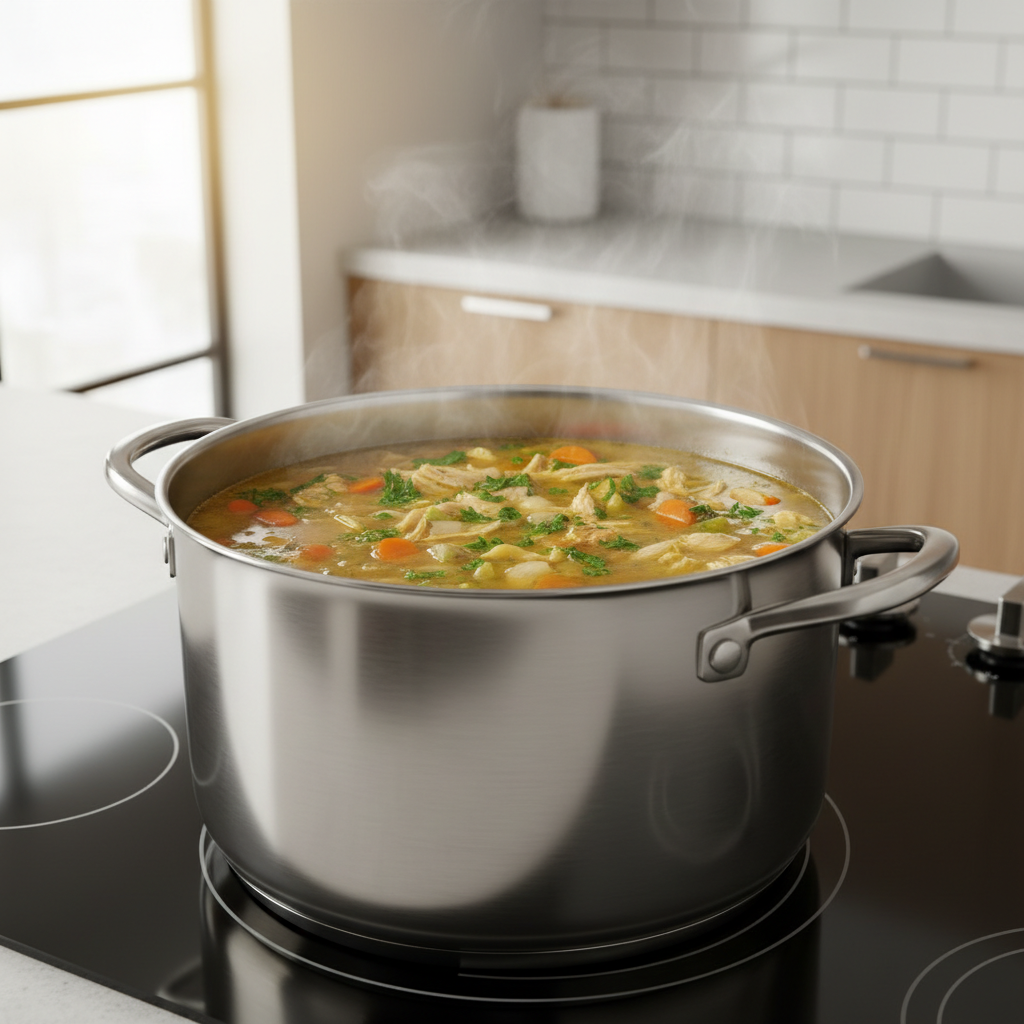
Below you’ll get a reliable base recipe, plus a quick checklist to troubleshoot flavor, a timing map so noodles stay right, and practical storage tips for busy weeks.
What makes “classic” chicken noodle soup taste right
Classic flavor usually comes from three things working together, not just “simmer longer.”
- A savory base: onions, carrots, celery, and a little salt added early so they actually season the pot.
- Collagen and fat in balance: bones and skin bring body, but too much fat left on top can mute flavor.
- Fresh finishing notes: parsley, dill, lemon, or black pepper added late so the soup tastes bright, not dull.
According to USDA, cooked poultry should reach 165°F for food safety, which matters here because overcooking to “be safe” is a common reason chicken turns dry in soup.
Ingredients and smart swaps (so you can use what you have)
This list is built for a classic homemade pot, but it flexes well if your fridge looks different.
Core ingredients
- Chicken: 2 to 2.5 lb bone-in thighs, or a mix of thighs + drumsticks (breast works, but needs gentler timing)
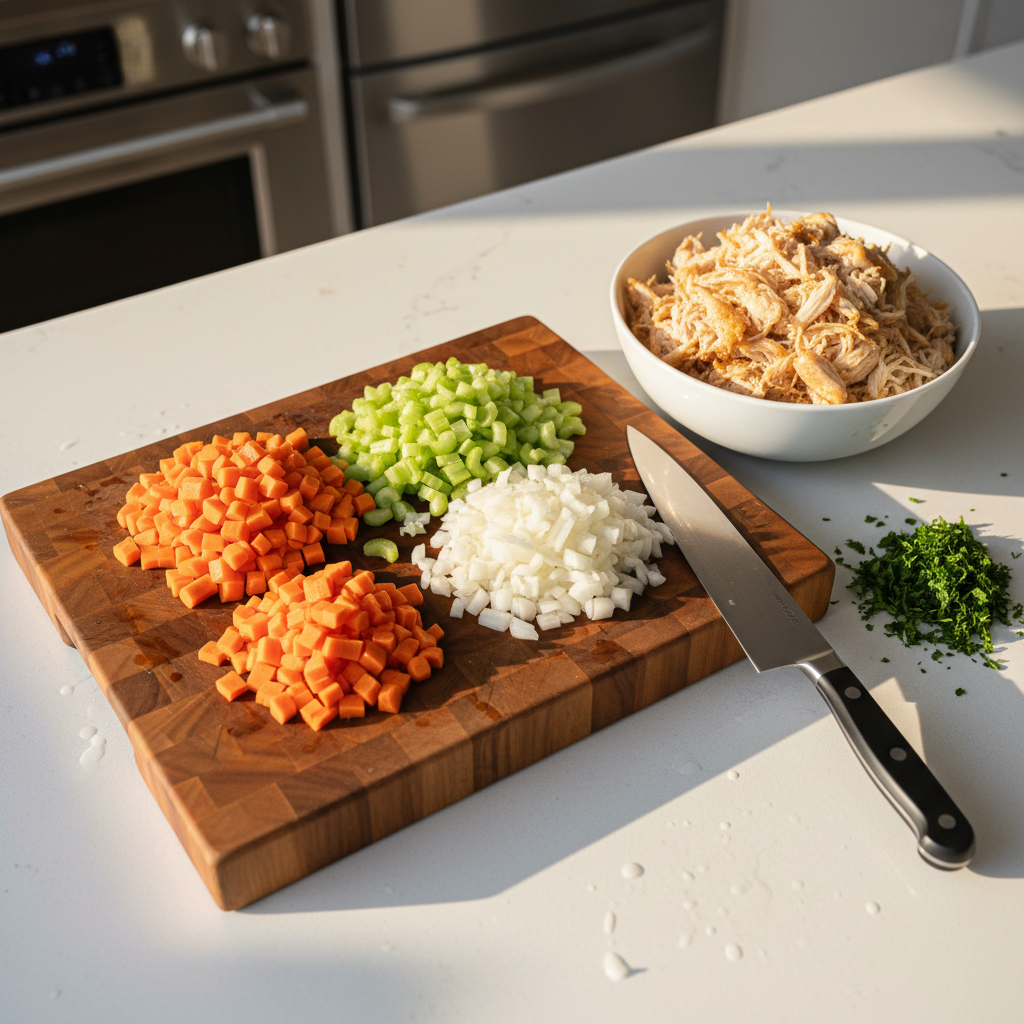
- Aromatics: 1 large onion, 2 carrots, 2 celery stalks
- Garlic: 2–4 cloves
- Broth base: 10–12 cups water (or half water, half low-sodium broth)
- Herbs: 1–2 bay leaves, parsley (plus optional thyme)
- Noodles: 6–8 oz egg noodles
- Seasoning: kosher salt, black pepper
Easy swaps that still taste “classic”
- No bay leaf, use a small pinch of dried thyme instead, keep it light.
- No egg noodles, use small pasta (ditalini) or broken spaghetti, but cook separately if you want clean leftovers.
- Need more depth fast, add a Parmesan rind or a teaspoon of soy sauce, both are subtle when used sparingly.
Step-by-step: classic homemade chicken noodle soup
This is the version that tends to work in real kitchens, including weeknights, because it separates “build flavor” from “keep noodles perfect.”
1) Start the pot (10 minutes)
In a large pot, add chicken, onion (halved or chopped), carrots, celery, garlic, bay leaf, and 10–12 cups water. Bring to a gentle simmer, not a hard boil.
Skim off gray foam if you see it in the first 10 minutes, it’s optional but helps the broth taste cleaner.
2) Simmer until chicken is just done (25–40 minutes)
Keep the pot at a low simmer. Thighs and drumsticks usually land in the 30–40 minute range, breasts can be done closer to 20–25 minutes depending on size.
Pull the chicken once it hits safe temp and feels tender, then rest it on a plate. When it’s cool enough, shred into bite-size pieces.
3) Strain or tidy the broth (5 minutes)
For a clear, classic look, strain out the aromatics and return broth to the pot, then add back fresh sliced carrots and celery if you want them to look bright and taste crisp-tender.
If you prefer “rustic,” just fish out bay leaf and any large onion pieces, then move on.
4) Cook noodles at the right moment (6–10 minutes)
Bring broth back to a lively simmer, add noodles, and cook until just tender. Turn off heat, then add shredded chicken back in so it warms through without tightening up.
5) Finish like you mean it (2 minutes)
Salt to taste, add black pepper, then stir in chopped parsley. If the soup tastes a little flat, a small squeeze of lemon often fixes it without making the soup taste “lemony.”
A quick timing table (so noodles don’t get mushy)
If you want leftovers that still feel good on day two, timing matters more than people admit.
| What you’re doing | Best approach | Why it helps |
|---|---|---|
| Eating same day | Cook noodles in the soup | Best texture in the bowl right now |
| Planning leftovers | Cook noodles separately, add per bowl | Noodles won’t soak up broth overnight |
| Freezing | Freeze soup without noodles | Pasta texture usually degrades after thawing |
Common problems and fixes (the stuff that actually goes wrong)
Most “bad soup” moments have a simple fix, but you need to know what to adjust.
- Broth tastes bland: add salt gradually, then add acidity (lemon) or a tiny umami boost (Parmesan rind, a splash of soy sauce). Don’t jump straight to more herbs.
- Broth tastes greasy: chill briefly, skim fat, or blot the surface with a paper towel. Too much fat can hide seasoning.
- Chicken feels dry: pull it earlier next time, and warm it in the soup off-heat at the end.
- Noodles turned to mush: cook separately for future batches, or undercook slightly if they’ll sit in hot broth.
- Vegetables taste tired: add a portion of fresh sliced carrots/celery mid-simmer, or finish with parsley and pepper for lift.
Practical make-ahead, storage, and reheating tips
This is where homemade soup either becomes your easiest meal of the week, or a soggy disappointment.
- Refrigerate: cool quickly, store in airtight containers, and keep noodles separate if possible.
- Reheat gently: a simmer is enough, boiling can make chicken tougher and noodles blow out.
- Freeze: freeze broth, chicken, and vegetables together, then cook noodles fresh when you serve.
- Adjust thickness: noodles and rice absorb liquid, plan to add a splash of water or broth during reheat.
According to CDC, cooling hot foods promptly helps reduce food safety risks, if you’re unsure about safe storage timing for your situation, it’s worth checking current guidance or asking a food safety professional.
Key takeaways (bookmark this part)
- Gentle simmer beats hard boil for cleaner broth and better texture.
- Cook chicken until just done, then shred, then return at the end.
- For leftovers, keep noodles separate or cook them per bowl.
- A little lemon and pepper at the end often makes chicken noodle soup taste “complete.”
Conclusion: a classic pot you can repeat
If your last chicken noodle soup felt disappointing, it usually wasn’t the ingredient list, it was timing and finishing. Keep the simmer gentle, season in layers, and treat noodles like a separate decision rather than an afterthought.
For your next batch, pick one upgrade that fits your life: cook noodles separately for better leftovers, or add a bright finish like parsley and lemon to make the flavor pop without extra effort.
FAQ
How do I make chicken noodle soup taste richer without making it salty?
Start with browned aromatics if you have time, or add a small umami booster like a Parmesan rind. A squeeze of lemon at the end can also make the broth taste fuller even before you add more salt.
Can I use rotisserie chicken for chicken noodle soup?
Yes, and it’s a practical shortcut. Simmer vegetables and broth first, then stir in shredded rotisserie chicken near the end so it warms through without drying out.
Should I cook noodles in the soup or separately?
If you’re serving immediately, cooking noodles in the pot tastes great. If you want leftovers, cooking separately usually keeps the texture closer to “just made.”
What’s the best cut of chicken to use?
Bone-in thighs often give a forgiving texture and a broth with more body. Breast meat works too, but it typically needs earlier removal to avoid dryness.
How long will homemade soup keep in the fridge?
Many home cooks aim for a few days when stored cold in sealed containers, but exact timing depends on your fridge temperature and handling. If anything smells off or you’re unsure, it’s safer to discard and consult food safety guidance.
Can I freeze chicken noodle soup with noodles?
You can, but texture often suffers after thawing. Freezing the soup base without pasta, then adding fresh noodles later, usually tastes closer to fresh.
Why does my broth turn cloudy?
A hard boil can break up proteins and fat into the broth, which clouds it. A gentle simmer and an early skim often keep the pot clearer, though cloudy broth can still taste good.
If you’re working with limited time, or you want chicken noodle soup that stays great for lunches, set yourself up with a simple system: make a strong soup base on one day, store noodles separately, and combine only what you plan to eat each meal.