
How to make poha recipe quick easy comes down to one thing most people miss, getting the rinse-and-rest step right so the flakes turn soft, not soggy or dry.
If you have ever tried poha once and thought it felt bland, gummy, or weirdly crunchy, you are not alone, poha is simple, but it is also sensitive to timing. The good news is that once you learn a reliable method, it becomes a weeknight-level meal you can rotate for breakfast, lunch, or a light dinner.
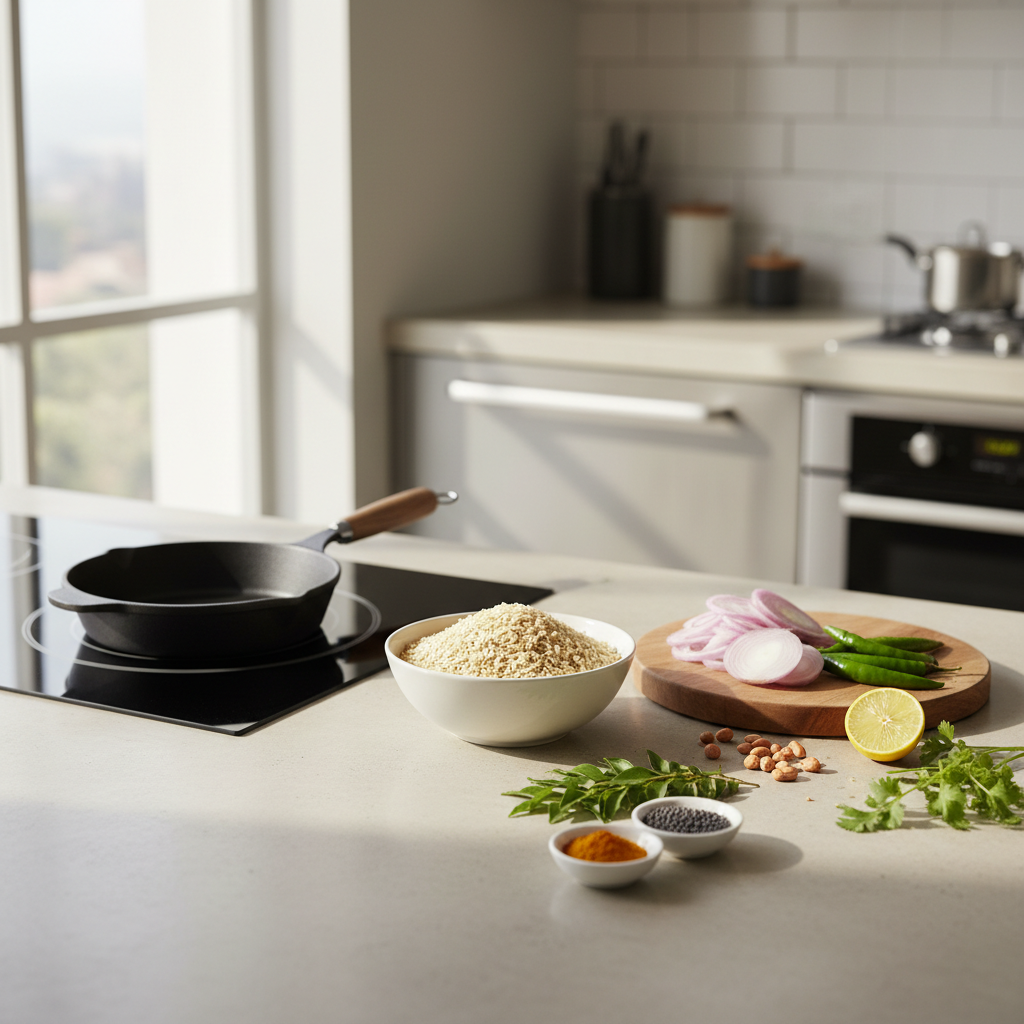
This guide stays practical, you will see why poha goes wrong, a quick self-check to diagnose your batch, a basic recipe you can memorize, and variations that fit common US grocery runs. I will also call out a few “helpful” shortcuts that usually backfire.
What Poha Is, and Why It Cooks So Fast
Poha is flattened rice, rice grains pressed into thin flakes. Because the flakes are thin, they hydrate quickly, which is why poha cooks in minutes, and also why it can turn mushy if you overdo the water.
In most Indian kitchens, poha is made savory with aromatics and spices, then finished with lemon and herbs. Many people in the US compare it to a spiced rice bowl, but the texture is lighter, closer to fluffy couscous when done well.
- Thin poha hydrates very fast, easier to over-soak.
- Thick poha is more forgiving and often better for beginners.
- Red poha can take slightly longer to soften and tastes nuttier.
Why Quick Poha Often Turns Out Wrong (Real-World Causes)
Most “bad poha” comes from hydration mistakes, not from spices. Timing and heat control matter more than fancy ingredients.
- Over-rinsing or soaking: poha absorbs water quickly, extra water keeps sitting inside the flakes and turns the dish heavy.
- Skipping the rest: after rinsing, poha needs a short rest to finish hydrating evenly.
- Cooking on high heat too long: you want warming and gentle steaming, not aggressive frying.
- Not seasoning the poha itself: salt and a pinch of sugar mixed into the hydrated flakes makes the final dish taste “complete.”
- Acid too early: lemon early can dull some aromatics and can make the dish taste sharper than intended, finish with it.
According to USDA Food Safety and Inspection Service (FSIS), leftovers should be refrigerated within two hours, so if you meal-prep poha or pack it for lunch, cool and store it promptly.
Quick Self-Check: Which Poha Problem Do You Have?
If you want to make poha recipe quick easy consistently, diagnose what happened before you change everything. Use this mini checklist.
- Mushy, clumpy: too much water, too long rinse, or cooked too long with lid on.
- Dry, chalky center: not enough rinse water or not enough resting time.
- Bland: salted too late, skipped lemon, or no roasted notes from tempering spices.
- Oily: too much oil, or peanuts not drained, or heavy-handed “tadka” for the batch size.
- Flat flavor: missing acid at the end, missing herbs, or turmeric burned in the pan.
Core Recipe: How to Make Poha Recipe Quick Easy (10–15 Minutes)
This is the base method you can repeat without thinking. It is written for a typical US stove and pantry, and it works even when your poha brand changes a bit.
Ingredients (2 servings)
- 2 cups poha (flattened rice), preferably thick
- 1 small onion, finely chopped
- 1 green chili, thinly sliced (optional)
- 2 tbsp peanuts (or cashews)
- 8–10 curry leaves (optional but great)
- 1/2 tsp mustard seeds
- 1/4 tsp turmeric
- 3/4 tsp salt (adjust)
- 1/2 tsp sugar (optional, small but noticeable)
- 2 tbsp neutral oil
- 2 tbsp cilantro, chopped
- 1/2 lemon, juice
- Optional add-ins: frozen peas, shredded carrot, cooked potato cubes
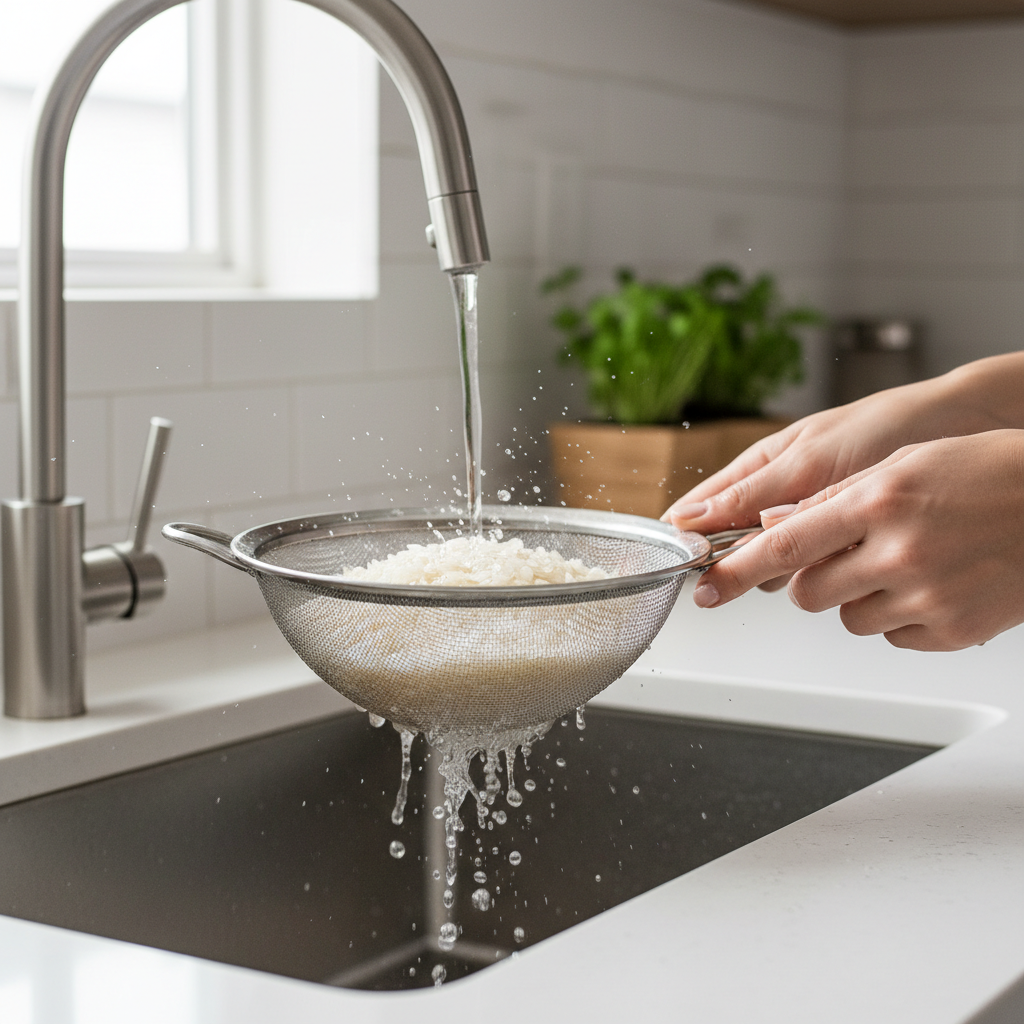
Step-by-step (the reliable method)
- Rinse fast, then rest: put poha in a strainer, rinse under running water for about 5–8 seconds, toss gently once or twice, then let it sit in the strainer 5 minutes.
- Season the flakes: move poha to a bowl, sprinkle salt, sugar, and turmeric, then toss gently. If it feels dry, flick a tablespoon of water, not more.
- Temper in the pan: heat oil on medium, add peanuts and toast 30–60 seconds, then add mustard seeds until they pop, add curry leaves and chili.
- Soften aromatics: add onion with a pinch of salt, cook until translucent, not browned.
- Add poha and warm: add seasoned poha, fold gently, reduce heat to low, cover 2 minutes so steam finishes the texture.
- Finish off-heat: turn heat off, add lemon juice and cilantro, fold, taste, adjust salt and lemon.
Key point: your pan is warming and steaming the flakes, not “cooking rice from raw,” so be gentle, poha breaks if you stir aggressively.
Timing, Water, and Heat: A Quick Reference Table
When people ask how to make poha recipe quick easy, they usually want a repeatable system. Use this table as your guardrails.
| Step | What you want | Common mistake | Quick fix |
|---|---|---|---|
| Rinse | Flakes lightly wet | Soaking in a bowl | Use a strainer, rinse briefly |
| Rest | Even hydration | Skipping the rest | Wait 5 minutes, then season |
| Heat level | Medium to low | High heat “stir-fry” | Lower heat, cover 2 minutes |
| Seasoning | Salt in the flakes | Only salting onions | Salt poha before it hits the pan |
| Lemon | Bright finish | Added early | Add after turning heat off |
Practical Variations for US Kitchens (Without Making It Complicated)
The base version is already fast, but small changes keep it interesting and help you use what you have.
Protein-friendly options
- Egg poha: scramble 2 eggs in the pan after onions, push aside, then fold poha in.
- Paneer poha: add small paneer cubes after onions, warm through, then add poha.
- Chickpea poha: fold in rinsed canned chickpeas right before covering.
Veggie add-ins that stay quick
- Frozen peas, add with onions
- Shredded carrot, add with onions
- Baby spinach, fold at the end so it wilts
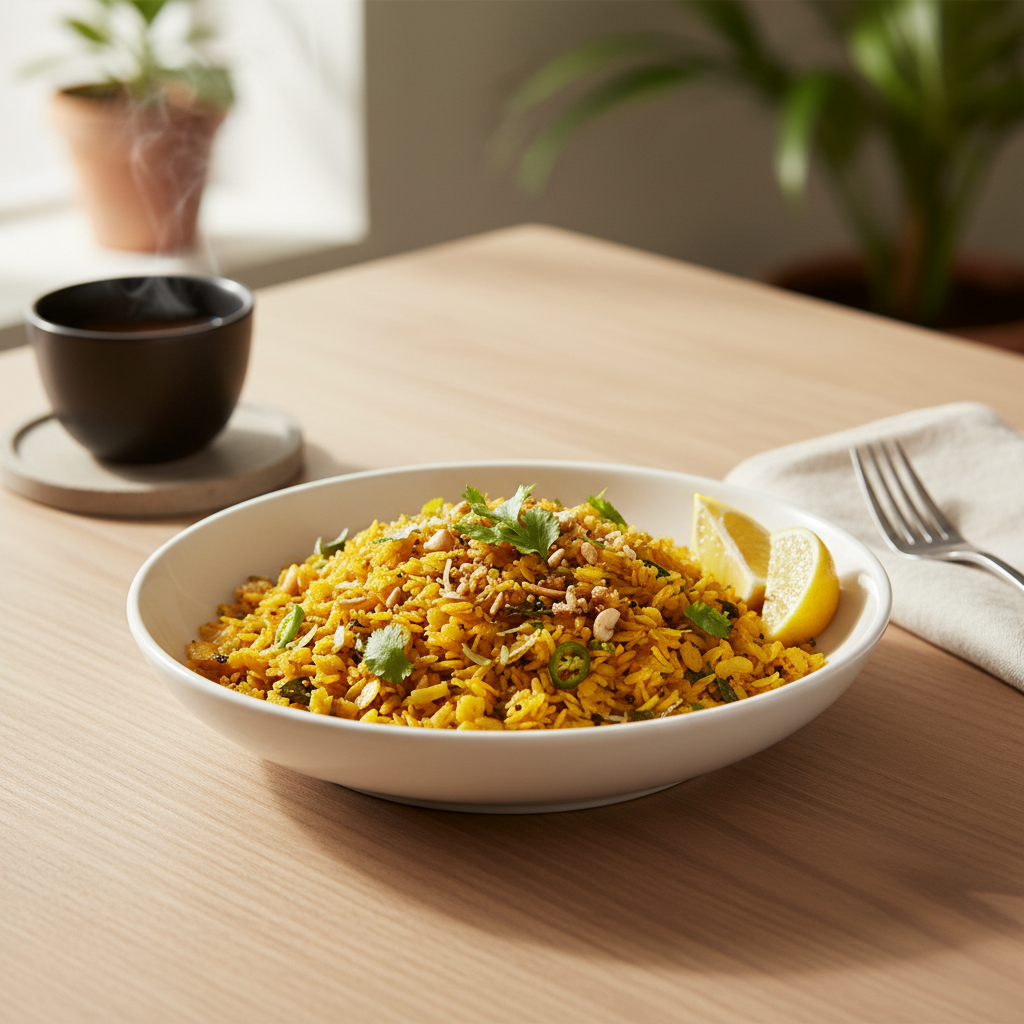
Flavor tweaks (small but high impact)
- More tang: add a little more lemon, or serve with yogurt on the side.
- More crunch: top with sev or crushed tortilla chips in a pinch, not traditional, but it works.
- More heat: add red chili powder at the end, not while frying, so it does not burn.
Make It Even Faster: Prep Once, Cook in 7 Minutes
If mornings are chaos, the best shortcut is not “skip steps,” it is grouping them. You can set yourself up for how to make poha recipe quick easy without sacrificing texture.
- Chop-once box: chop onion and chili for 2–3 batches, store airtight in the fridge.
- Dry spice cup: pre-mix salt, sugar, turmeric for your usual batch size.
- Roast peanuts ahead: toast a small jar, then you only warm them in oil.
- Use frozen veg: peas and corn remove most prep without changing the method.
Food safety note: if you prep aromatics in advance, keep them chilled and use within a few days, and when in doubt, follow standard refrigeration guidance or consult a qualified professional for specific needs.
Common Mistakes and What to Do Instead
- “I stir constantly to prevent sticking”: poha breaks easily, fold gently, then use the lid and low heat.
- “I add more water when it looks dry”: give it 2 minutes covered first, steam often fixes dryness without making it gummy.
- “I brown onions for flavor”: browning can overpower poha, translucent onions keep the dish balanced.
- “I skip curry leaves and mustard seeds”: you can, but the dish may taste one-note, try at least mustard seeds or cumin for aroma.
Conclusion: A Quick Poha Routine You Can Actually Repeat
Once your rinse is short, your rest is non-negotiable, and your heat stays gentle, poha becomes one of the easiest fast meals to keep in rotation. If you want to make poha recipe quick easy on busy days, keep thick poha in the pantry, pre-chop onions when you can, and treat lemon and herbs as the finishing move that makes everything taste alive.
If you try this method, pick one variation for your next batch, egg, peas, or paneer, then adjust only one variable at a time so you can tell what improved the texture.
FAQ
How do I make poha in 10 minutes without it getting mushy?
Rinse briefly in a strainer, rest 5 minutes, then warm on low with a short covered steam. Most mushiness comes from soaking or adding water too freely.
What kind of poha should I buy in the US?
Many people find thick poha easier to control, especially if you are new to it. Indian grocery stores and many online retailers label “thick” clearly.
Can I make poha without curry leaves?
Yes, it still works, but curry leaves add a distinct aroma. If you skip them, consider adding a little extra cilantro and lemon at the end.
Is poha healthy for breakfast?
It can fit a balanced breakfast depending on portions and add-ins. If you have specific dietary needs, it may help to check with a nutrition professional.
Why is my poha dry even after rinsing?
Usually the flakes did not rest long enough after rinsing, or the heat stayed too high and drove off moisture. Covering on low for a couple minutes often fixes it.
Can I reheat leftover poha?
Yes, reheat gently with a small splash of water and cover briefly so steam restores texture. Store leftovers safely and refrigerate promptly.
Can I add vegetables without slowing the recipe down?
Frozen peas and shredded carrot are the easiest, they cook quickly with the onions. Just avoid watery vegetables that dump liquid and soften the flakes too much.
If you are trying to streamline weekday meals, poha is a great “pantry-first” option, and if you want an even more hands-off routine, consider setting up a small poha kit with pre-measured spices and roasted nuts so your next batch feels almost automatic.