
Carrot ginger soup is one of those recipes people search for when they want something healthy that still tastes like real food, not a compromise. This spicy version leans into fresh ginger and a controlled kick of heat, so you get a bright, warming bowl that works for weeknights, meal prep, and “I need something comforting” days.
A lot of soups claim to be healthy, then quietly load up on cream, sugar, or sodium. Here, you’ll get a naturally sweet base from carrots, balanced with acidity and aromatics, and you can keep it dairy-free without losing that velvety texture.
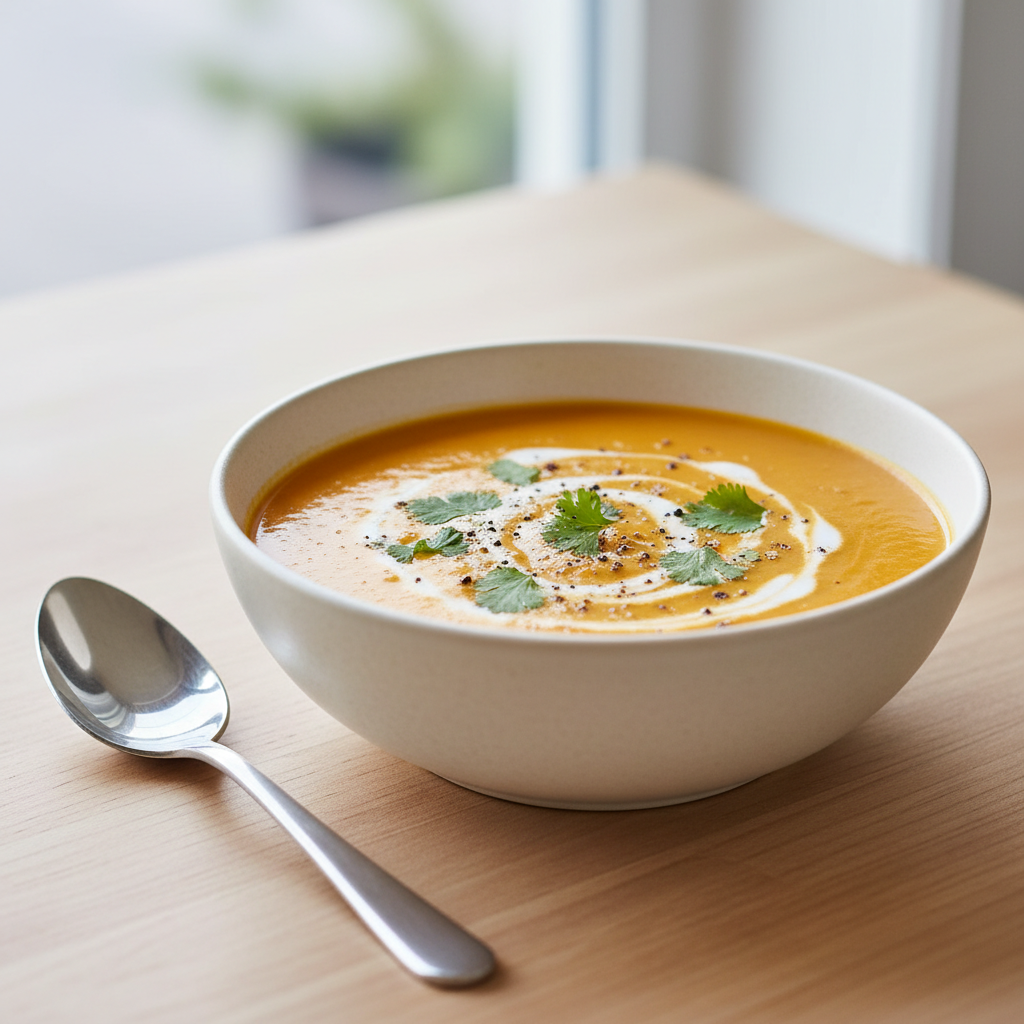
You’ll also see where people usually go wrong, like under-seasoning, boiling the ginger too long, or blending before the carrots are truly tender. I’ll walk you through a straightforward method, plus a few smart variations if you want it vegan, higher-protein, or less spicy.
What makes this spicy carrot ginger soup “healthy” (and what that really means)
“Healthy” means different things depending on your goals, so think of this soup as a flexible base. It tends to work well because the main ingredients are whole foods and the richness comes from technique, not heavy dairy.
- Carrots bring fiber and natural sweetness, which helps you use less added sugar or sweetener.
- Ginger adds punch and aroma, which often reduces the need for extra salt. According to the U.S. Department of Agriculture (USDA), fresh herbs and spices can help build flavor without relying on sodium-heavy ingredients.
- Blending creates a creamy mouthfeel, so many people skip cream entirely or just add a small splash.
If you have specific medical needs (reflux, IBS, pregnancy, medication interactions), spicy foods and ginger can be a mixed bag, so it’s reasonable to check with a clinician if you’re unsure.
Ingredients and smart substitutions (so you don’t get stuck)
This ingredient list stays simple, but each item has a job. If you swap, do it intentionally.
Core ingredients
- 2 tbsp olive oil (or avocado oil)
- 1 medium yellow onion, chopped
- 3–5 garlic cloves, chopped
- 1–2 tbsp fresh ginger, grated (more if you like it bold)
- 1–2 tsp ground cumin (optional, but adds warmth)
- 1/4–1/2 tsp crushed red pepper flakes or 1 small chili, chopped
- 2 lbs carrots, peeled and sliced
- 4 cups low-sodium vegetable broth (or chicken broth)
- 1/2 cup coconut milk or plain Greek yogurt (optional for creaminess)
- 1–2 tbsp lemon juice or apple cider vinegar
- Salt and black pepper to taste
Substitutions that usually work
- No coconut milk? Use cashew cream, a small knob of butter, or leave it out and blend longer.
- Want higher protein? Blend in white beans, or top with shredded chicken or lentils.
- Lower spice? Skip chili and use smoked paprika for “warmth” without heat.
- No fresh ginger? Ground ginger can work in a pinch, but start small, it concentrates fast.
Step-by-step spicy carrot ginger soup recipe (smooth, not gritty)
This is the method that keeps flavor clean and texture silky. The biggest “secret” is letting carrots get genuinely soft before blending.
- Sweat aromatics: Warm oil in a pot over medium heat, cook onion 6–8 minutes until soft, then add garlic and cook 1 minute.
- Bloom spices: Stir in ginger, cumin, and chili, cook 30–60 seconds until fragrant. Don’t scorch it, burnt ginger tastes bitter.
- Simmer carrots: Add carrots and broth, bring to a gentle boil, then reduce to simmer 18–25 minutes, until carrots crush easily with a spoon.
- Blend: Use an immersion blender, or carefully blend in batches in a countertop blender. Return to pot.
- Finish: Stir in coconut milk or yogurt if using, then add lemon juice, salt, and pepper. Taste, then adjust heat and acidity.
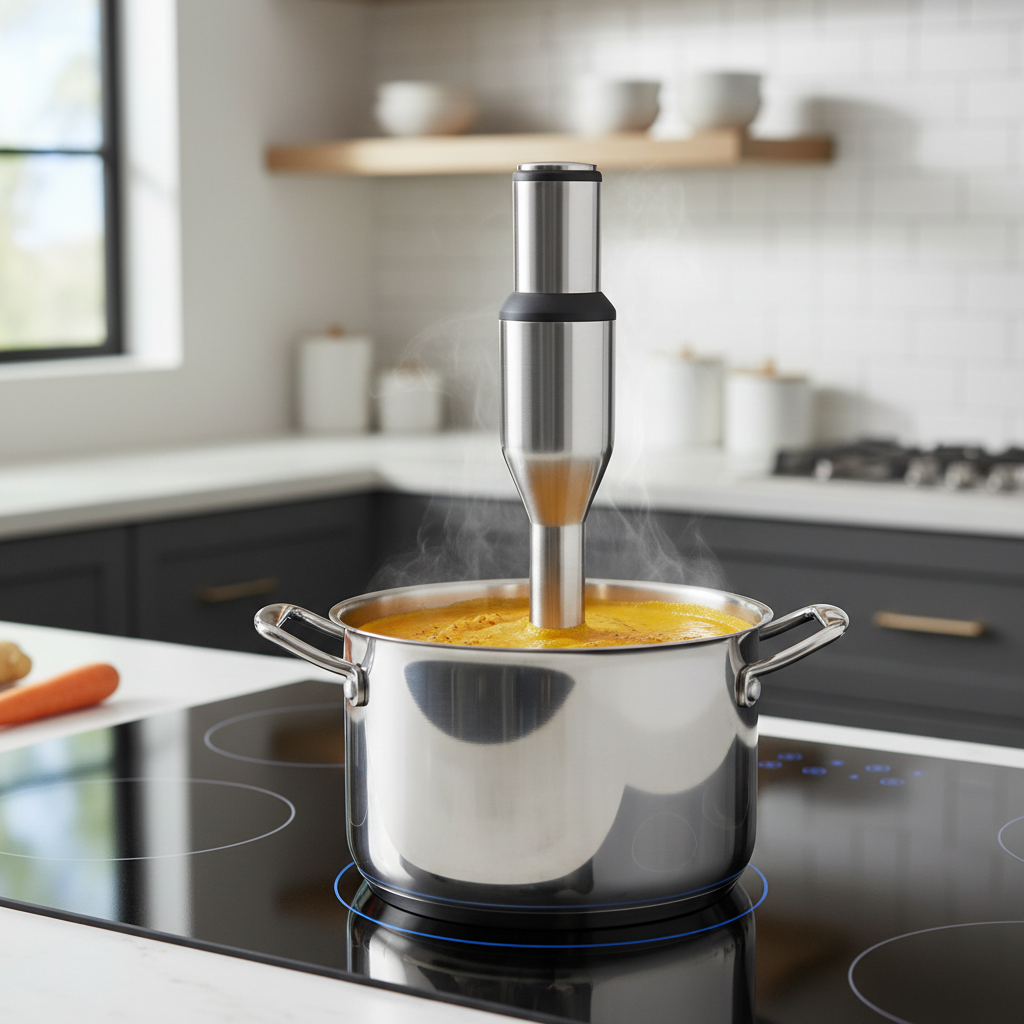
If you want a more “restaurant” finish, add a small pinch of salt at the end, then another squeeze of lemon. People often do one or the other, but the combo is what makes the flavor pop.
Quick nutrition notes (without pretending one bowl fixes everything)
This carrot ginger soup is generally nutrient-dense and filling for its calorie load, but exact numbers vary by broth, add-ins, and serving size. According to the U.S. Food and Drug Administration (FDA), checking Nutrition Facts labels can help you compare sodium and added sugars when choosing packaged broth and coconut milk.
| Goal | Best tweak | Why it helps |
|---|---|---|
| Lower sodium | Use low-sodium broth, salt at the end | You control seasoning instead of inheriting it |
| More protein | Add white beans, lentils, or Greek yogurt | Boosts satiety without changing the vibe |
| Lower fat | Skip coconut milk, blend longer | Texture still turns creamy from pureed carrots |
| Blood sugar support | Add protein topping, pair with salad | Balanced meals tend to feel steadier |
How to adjust heat, sweetness, and texture (so it tastes like you meant it)
This is where most homemade soups go from “fine” to “I’m making that again.” Taste in layers, don’t dump everything in at once.
- Too spicy: Add more carrots (if you have them), a splash of coconut milk, or a spoon of yogurt. Acid can amplify heat, so add lemon slowly.
- Not spicy enough: Add chili flakes at the end, or a small spoon of chili crisp for a punchy finish.
- Too sweet: Add lemon juice or vinegar, plus a pinch of salt. A little cumin also “grounds” sweetness.
- Too thick: Add broth in 1/4-cup increments while warming.
- Not smooth: Blend longer than you think, and make sure carrots are fully tender before you start.
Key takeaway: If the soup tastes flat, it’s usually missing either salt or acid, not more ginger.
Meal prep, storage, and serving ideas (so it fits real life)
Carrot ginger soup tends to store well, which is why people keep it in the rotation when schedules get messy.
- Fridge: Store in airtight containers 3–4 days, reheat gently so it doesn’t scorch.
- Freezer: Freeze up to 2–3 months. If you used yogurt, texture may change slightly after thawing, coconut milk usually holds better.
- Serving ideas: Top with pumpkin seeds, a drizzle of olive oil, chopped cilantro, or croutons. For a fuller meal, pair with a turkey sandwich or a simple lentil salad.
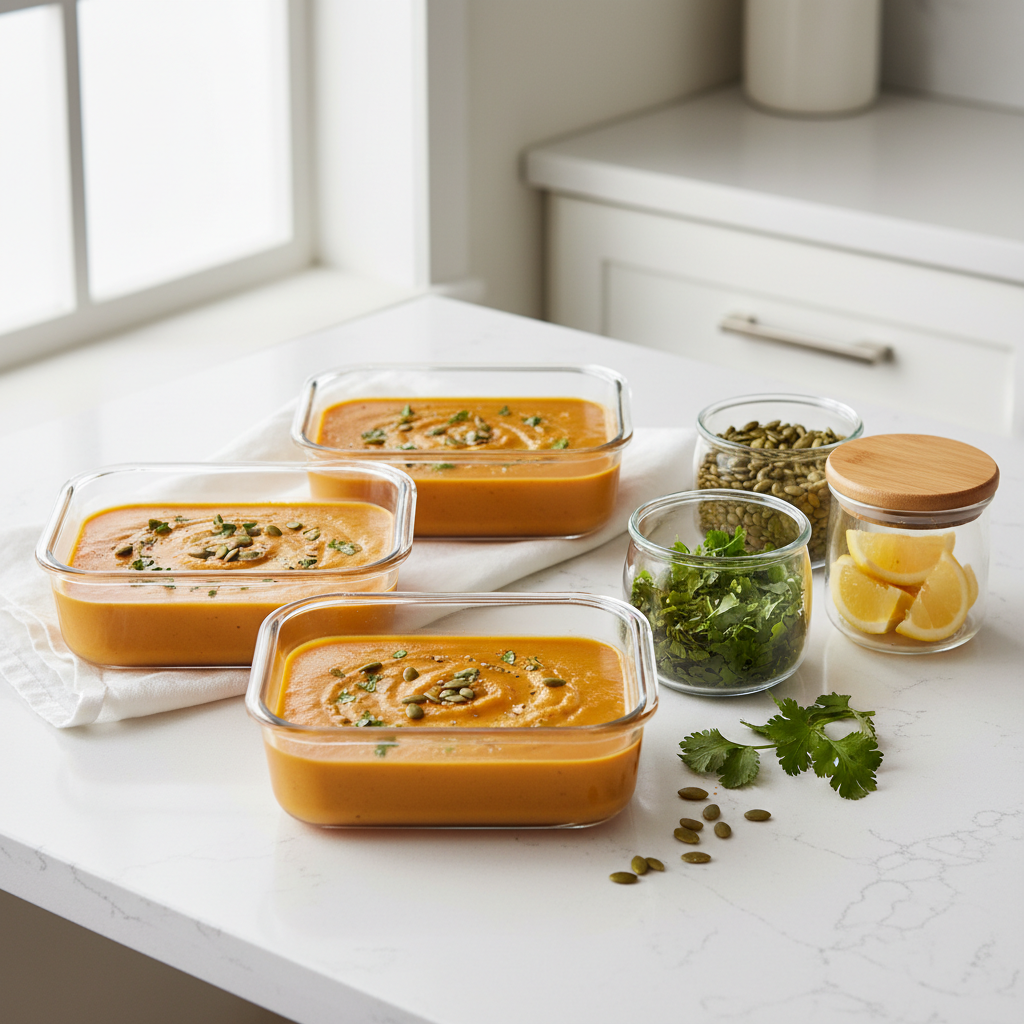
If you’re prepping for the week, keep toppings separate. Crunchy seeds and herbs make leftovers feel fresh, even if the base soup is day three.
Common mistakes and when to ask for professional guidance
A few small missteps can make carrot ginger soup taste oddly sharp or dull. These are the ones I see most often.
- Boiling hard the whole time: Aggressive boiling can mute aromatics and reduce broth too far, simmer works better.
- Adding all acid early: Lemon and vinegar brighten, but too early can push bitter notes, especially if your ginger is intense.
- Under-cooking carrots: You’ll get a gritty texture no blender fully fixes.
- Overdoing ginger: Fresh ginger varies a lot; start moderate, then add more after blending.
If you have conditions like GERD, ulcers, or you’re managing nausea with ginger while on medication, spicy ingredients and concentrated ginger can be irritating for some people. In those cases, it’s reasonable to talk with a registered dietitian or your healthcare professional for tailored guidance.
Conclusion: a spicy soup you can actually repeat
This spicy carrot ginger soup hits the sweet spot: easy enough for a weeknight, flavorful enough to not feel “diet,” and flexible for different preferences. If you want one simple next step, make a batch, then freeze two portions right away so future-you has an instant healthy meal. And if you’re still tweaking flavor, remember the reliable fix: a careful pinch of salt plus a small squeeze of lemon usually brings everything into focus.
FAQ
How spicy is spicy carrot ginger soup, really?
With 1/4 tsp red pepper flakes it’s usually “warm,” not fiery. If you’re sensitive to heat, leave it out and add paprika for a similar cozy feel.
Can I make carrot ginger soup without coconut milk?
Yes. The soup still turns creamy when blended well. If you want extra richness, a little butter or a spoon of Greek yogurt (added off heat) can help.
What’s the best way to blend hot soup safely?
An immersion blender is simplest. If using a countertop blender, blend in small batches and vent the lid slightly so steam can escape, hot liquids expand quickly.
Is carrot ginger soup good for meal prep?
Usually, yes. Flavor often tastes even better the next day. Just store toppings separately so texture stays interesting.
How do I make it more filling without changing the flavor too much?
Blend in white beans for a mild protein boost, or top with shredded chicken or lentils. Those add staying power without overpowering the carrot-ginger profile.
Why does my soup taste flat even after adding ginger?
Most of the time it needs either salt or acid. Add a small pinch of salt, then a little lemon juice, tasting between each adjustment.
Can I roast the carrots first?
Yes, roasting deepens sweetness and adds a slightly caramelized note. Roast at about 425°F until tender, then simmer briefly with broth before blending.
If you’re trying to build a small set of reliable, healthy recipes, keep this carrot ginger soup in your rotation and treat it like a base formula: pick your heat level, choose your creamy element, and finish with a bright acid. It’s a low-effort way to eat well without relying on takeout when the week gets busy.