
Beef stew recipe questions usually come down to two frustrations, the meat turns tough, or the broth tastes flat and watery. The oven slow-cook method fixes both, it holds a steady low heat, browns and reduces gently, and gives you more control than a set-it-and-forget-it pot that runs hot.
If you want a cozy dinner that feels “Sunday-level” without babysitting the stove, this is it. You brown once, build the base, then let the oven do the patient work while you do literally anything else.
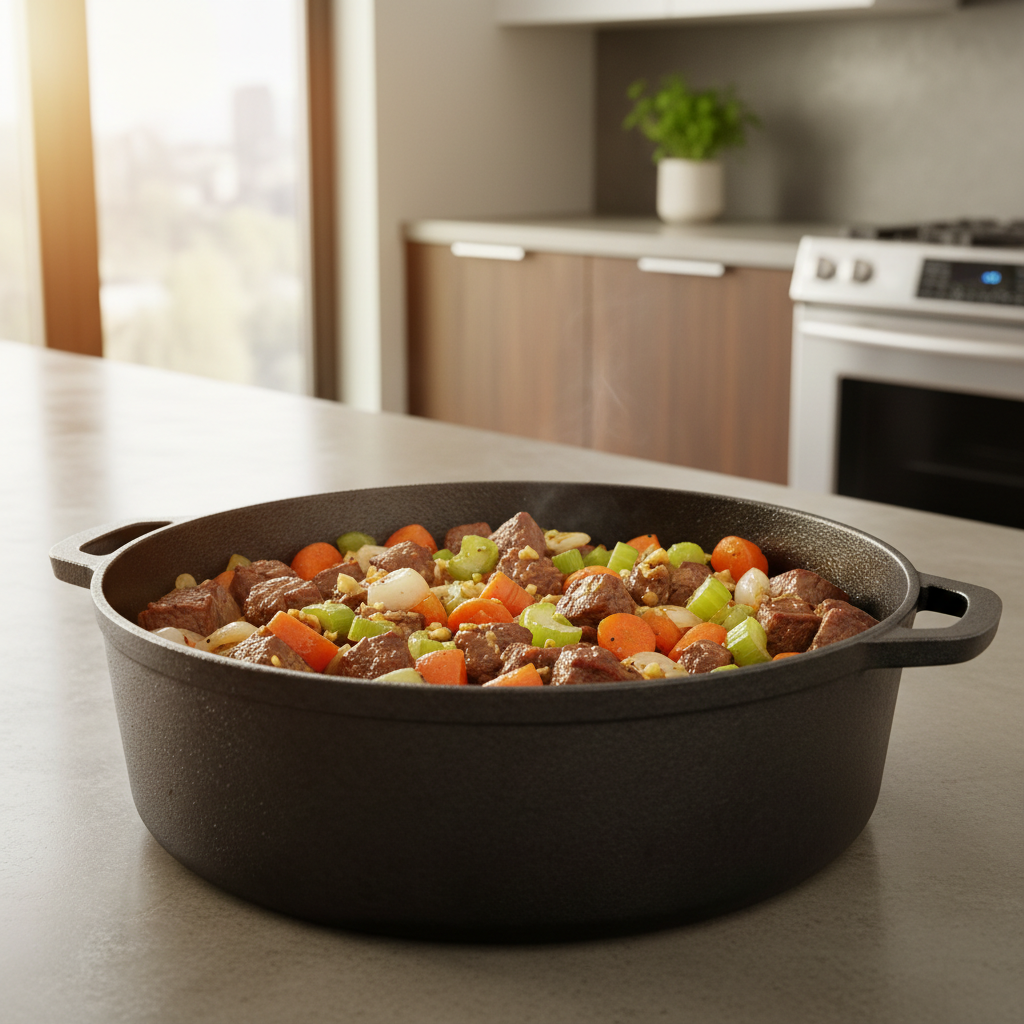
One quick heads-up, the “easy” part still depends on doing a couple small things right, especially browning and keeping the oven temperature truly low. I’ll point out the spots where most stews go sideways, plus a few swaps if you’re missing an ingredient.
What makes oven slow-cooked stew easier (and often better)
The oven gives you even heat from all sides, so a heavy pot stays at a gentle simmer without constant fiddling. That matters because aggressive boiling can squeeze moisture out of beef, making it feel dry even if it cooked for hours.
- Steady temperature: fewer hot spots than many stovetops.
- Better reduction: the lid can sit slightly ajar for a richer, thicker broth.
- Hands-off timing: you can check every 45–60 minutes instead of hovering.
According to USDA Food Safety and Inspection Service (FSIS), cooking methods should bring foods to safe internal temperatures and avoid time-in-the-danger-zone issues, so keep the pot hot enough to maintain a gentle simmer and refrigerate leftovers promptly.
Ingredients that matter most (and smart substitutions)
You don’t need a long grocery list, but a few choices make a noticeable difference in any beef stew recipe, especially the cut of meat and the thickener.
Core ingredients
- Beef chuck roast (2.5–3 lb), cut into 1.5-inch cubes
- Yellow onion (1 large), diced
- Carrots (3–4), cut chunky
- Celery (2–3 ribs), sliced
- Garlic (3–4 cloves), minced
- Tomato paste (2 tbsp) for depth
- Beef broth (4 cups), low-sodium if possible
- Red wine (3/4 cup) or more broth
- Potatoes (1.5 lb Yukon Gold or red), large chunks
- Flour (2–3 tbsp) or cornstarch slurry at the end
- Bay leaves (2) + thyme (fresh or dried)
Good swaps (when life happens)
- No wine, use broth plus 1 tbsp balsamic or 2 tsp Worcestershire for a similar “dark” note.
- Gluten-free, skip flour and thicken with cornstarch slurry at the end.
- No potatoes, add parsnips or sweet potatoes, but add them later since they soften faster.
Step-by-step: easy oven slow-cook method
This process looks long on paper, but it’s mostly “do one thing, then wait.” A heavy Dutch oven works best. If your pot has a lid that seals tight, crack it slightly in the oven for better reduction.
1) Prep and season
- Heat oven to 300°F.
- Pat beef dry, then season with salt and pepper. Dry surface browns faster.
- Toss beef with 2 tbsp flour (optional, helps browning and later body).
2) Brown the beef (don’t rush this)
Heat 1–2 tbsp oil in the Dutch oven over medium-high. Brown beef in batches so pieces aren’t crowded, 2–3 minutes per side. Move browned beef to a plate.
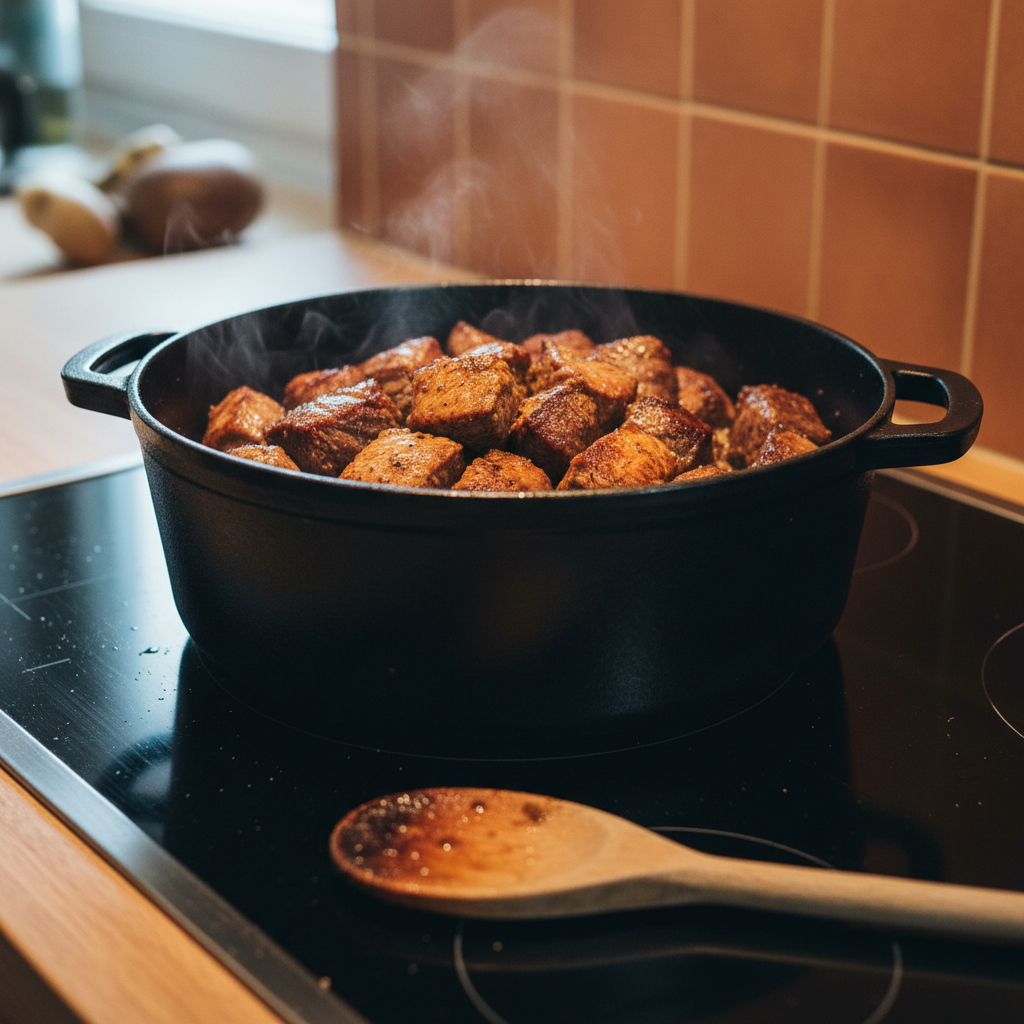
What you’re building is fond, those browned bits on the bottom. That’s where a lot of the stew flavor lives, so if the pot looks “too brown,” you’re probably doing it right, as long as it’s not black and burnt.
3) Build the base
- Lower heat to medium, add onion, carrots, celery, pinch of salt. Cook 5–7 minutes.
- Add garlic, cook 30 seconds.
- Stir in tomato paste, cook 1 minute to deepen flavor.
- Pour in wine (or broth) and scrape the bottom until smooth.
4) Oven slow cook
- Add beef back in, plus broth, bay leaves, thyme.
- Bring just to a gentle simmer on the stove.
- Cover and bake 2 hours.
5) Add potatoes, finish until tender
- Stir in potatoes, cover, bake 45–75 minutes.
- It’s done when beef breaks apart with a fork, not when the clock says so.
A quick doneness + troubleshooting checklist
Before you declare the stew “bad,” check which bucket you’re in. Most issues are fixable in 10 minutes.
- Beef tough: it needs more time at low heat, keep cooking and check every 20–30 minutes.
- Broth thin: lid was too tight, or not enough reduction, simmer uncovered 10–15 minutes.
- Broth tastes bland: add salt gradually, then a small splash of acid (vinegar) and/or Worcestershire.
- Vegetables mushy: pieces were too small or cooked too long, cut bigger next time, add potatoes later.
- Greasy top: chill and lift fat, or skim with a spoon while hot.
Flavor upgrades that don’t complicate the recipe
This is where you can personalize the stew without turning it into a project. Pick one or two, not all of them.
- Umami boost: 1–2 tsp Worcestershire or a teaspoon of soy sauce.
- Herb finish: stir in chopped parsley right before serving.
- Smoky note: a pinch of smoked paprika, subtle but cozy.
- Extra depth: sauté 8 oz mushrooms with the onions.
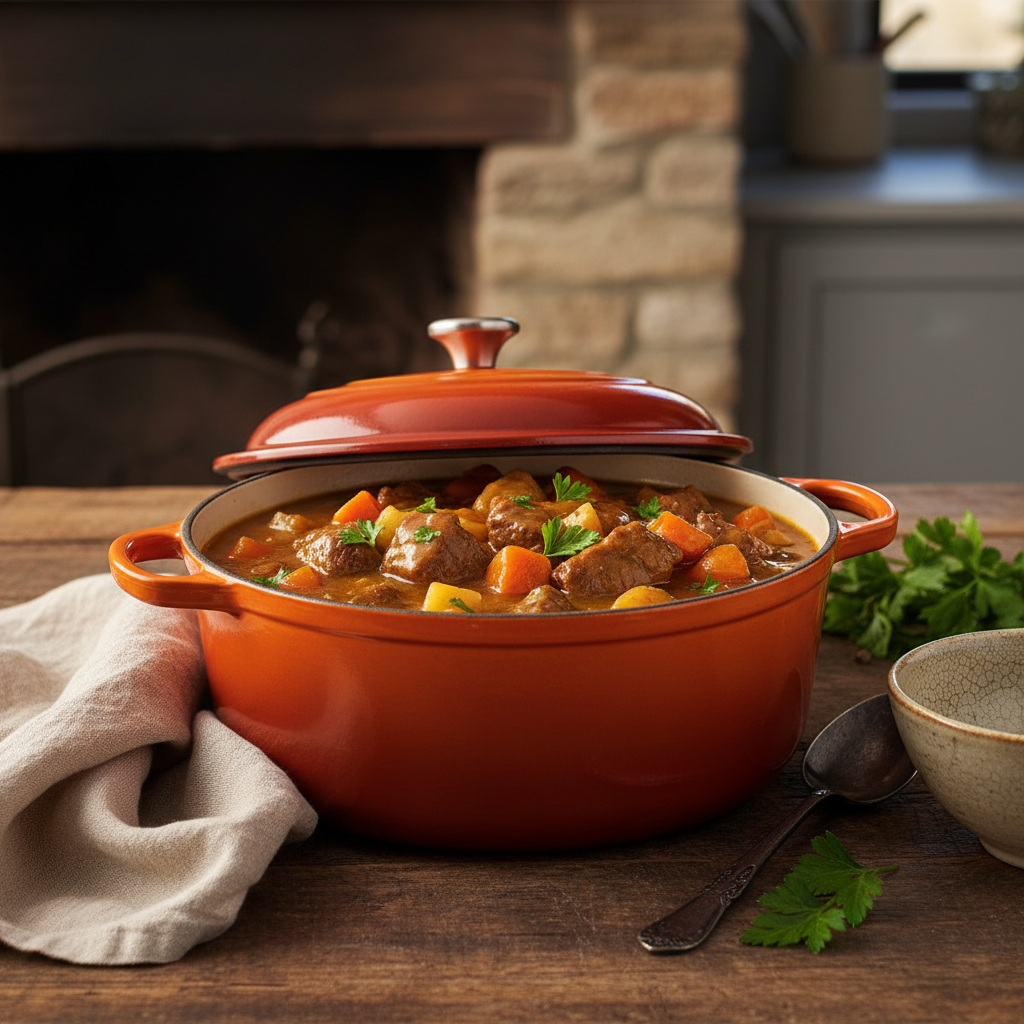
If you’re aiming for the classic diner-style comfort bowl, keep it simple and focus on reduction and seasoning. If you want a “bistro” feel, wine plus mushrooms plus fresh herbs gets you there fast.
Timing and temperature guide (so you can plan your day)
Oven slow cooking is forgiving, but planning keeps dinner from drifting to 9 p.m. Here’s a realistic guide.
| Stage | Time | What you’re looking for |
|---|---|---|
| Prep + seasoning | 10–15 min | Beef dry, evenly salted, veggies cut chunky |
| Browning beef | 15–25 min | Deep brown crust, fond on pot bottom |
| Base build + deglaze | 10–12 min | Pot bottom scraped clean, aroma turns savory |
| Oven slow cook (phase 1) | 2 hr | Beef starting to relax, broth darkening |
| Add potatoes + finish | 45–75 min | Beef fork-tender, potatoes creamy but intact |
| Rest before serving | 10 min | Flavor settles, fat rises for easy skimming |
Key point: If your oven runs hot, drop to 275°F. If the stew barely simmers, 325°F often brings it back to life. The goal is gentle bubbles, not a rolling boil.
Storage, reheating, and food-safety notes
Stew often tastes better the next day, but handle leftovers like you mean it. According to USDA Food Safety and Inspection Service (FSIS), perishable foods should not sit out at room temperature longer than 2 hours, and leftovers should be refrigerated promptly in shallow containers for faster cooling.
- Fridge: 3–4 days is a common home-cooking window if chilled quickly.
- Freezer: 2–3 months for best texture, potatoes can get a bit grainy, still usually fine.
- Reheat: warm gently on the stove, add a splash of broth if thick.
Conclusion: the low-effort path to a rich, tender stew
This oven method keeps the spirit of a classic beef stew recipe, but trims the annoying parts, you do a solid brown, let the pot cruise at low heat, then adjust seasoning at the end like you’re actually in charge of dinner. If you try one improvement next time, make it bigger vegetable cuts and a slightly cracked lid, that combo quietly fixes a lot.
Cook it once, write down what you’d tweak, more salt, longer reduction, later potatoes, and the second batch usually feels effortless. If you’re making it this week, pull out the Dutch oven, set the oven to 300°F, and let the kitchen smell do the rest.
FAQ
What cut of meat works best for this beef stew recipe?
Chuck roast is the usual go-to because it has enough connective tissue to turn silky with low heat. Lean cuts can work, but they often taste drier unless you’re very careful with timing.
Can I make oven beef stew without wine?
Yes. Replace wine with more beef broth, then add a small acidic element like a splash of balsamic or a bit of Worcestershire to keep the flavor from feeling one-note.
Why is my stew meat tough after 2 hours?
Tough usually means undercooked, not overcooked. Keep it at a gentle simmer and give it more time, collagen needs time to convert before it turns tender.
How do I thicken stew without making it gummy?
Simmer uncovered to reduce first. If you still want more body, stir in a cornstarch slurry a little at a time, then simmer a few minutes, dumping in too much at once is where the “gel” texture shows up.
When should I add potatoes so they don’t fall apart?
Add them after the beef has already softened, usually around the 2-hour mark. Also cut them into larger chunks, small pieces break down fast in long cooks.
Can I do this in a regular oven-safe pot instead of a Dutch oven?
Usually yes, as long as it’s oven-safe with a tight lid and thick enough to prevent scorching. If your pot is thin, keep the oven temp on the lower end and check liquid level once or twice.
How do I know the stew is safe to eat?
Food safety can vary by kitchen and timing, so use common sense, keep the stew at a steady simmer while cooking, and cool leftovers promptly. If you’re unsure about storage time or reheating, it’s reasonable to follow USDA guidance and consult a food-safety professional resource.
What should I serve with oven slow-cooked beef stew?
Crusty bread, buttered noodles, or a simple green salad all work. If the stew is rich, something crisp and acidic on the side helps balance the bowl.