
how to make chana chaat recipe healthy comes down to a few smart choices, rinse and portion your chickpeas, keep the sauce bright instead of oily, then build the bowl with real crunch from veggies rather than fried extras.
If you love chana chaat but it sometimes leaves you feeling puffy or still hungry an hour later, you are not imagining it, many versions lean hard on salty chutneys, oversized portions, and calorie-dense add-ons that taste great but don’t always feel great.
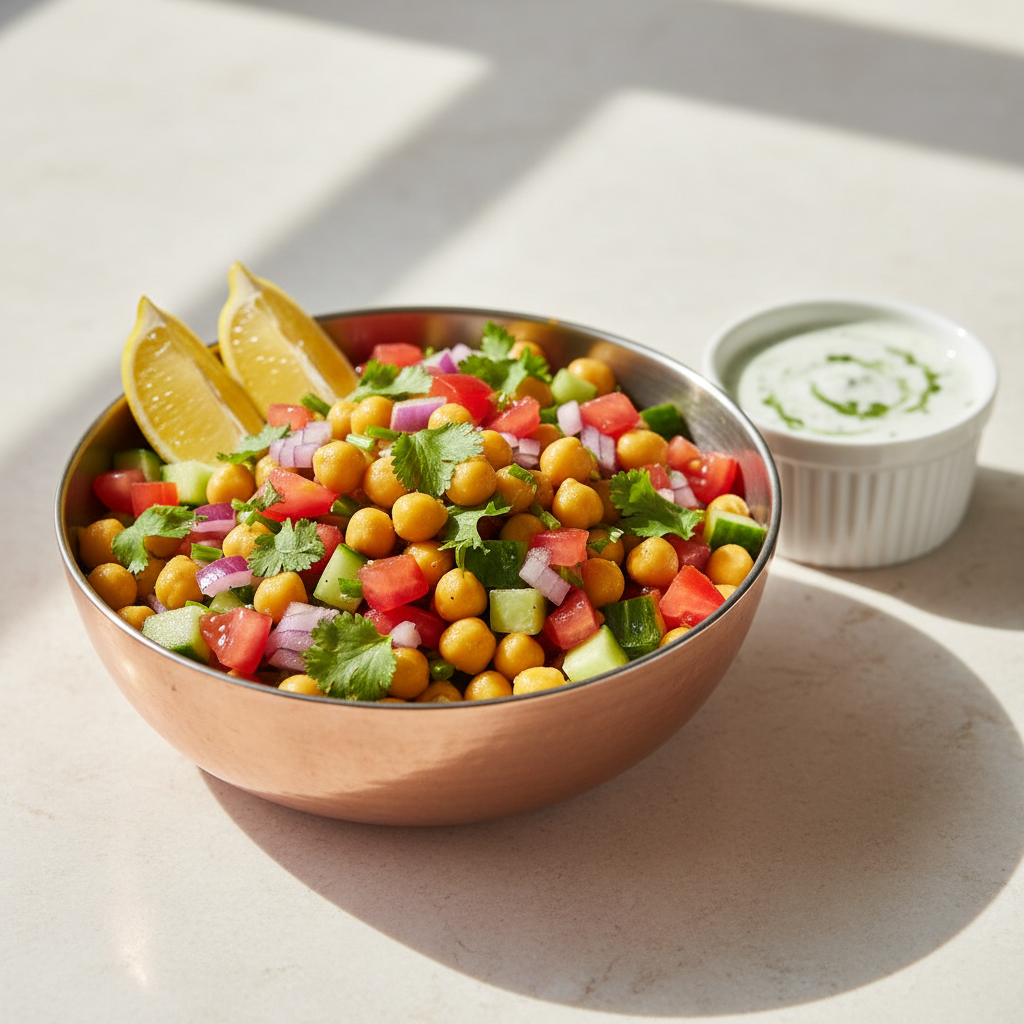
This guide keeps the fun parts, tang, spice, crunch, while making it easier to fit into everyday eating. You’ll get a base recipe, a simple “health check” for your current version, and a few realistic swaps that still taste like chaat.
Quick note before we get into it, “healthy” depends on your goals, weight loss, blood sugar, blood pressure, training fuel, or just feeling lighter after lunch. If you manage a medical condition, it may help to run ingredient changes by a registered dietitian or clinician.
What usually makes chana chaat feel “less healthy”
Most chana chaat starts in a good place, chickpeas bring fiber and plant protein. The trouble usually comes from what piles on top and how large the bowl gets.
- Too much sodium from packaged chaat masala, store-bought chutneys, and salty canned chickpeas if they are not rinsed.
- Hidden added sugar in tamarind-date chutney or bottled sauces, it adds up fast in “just a few spoonfuls.”
- Fried or refined crunch like sev, papdi, or chips becoming the main texture instead of a garnish.
- Portion creep, chickpeas are nutritious but calorie-dense, a “snack” can quietly become a big meal.
- Too little produce, when onion and tomato are the only vegetables, you miss out on volume and micronutrients.
According to the U.S. Food and Drug Administration (FDA), many Americans exceed daily sodium recommendations, so dialing back salt is often the highest-impact change for this dish.
A quick self-check: is your chana chaat already on the right track?
Use this as a fast gut-check before you change anything. If you answer “no” to two or more, your version probably has easy wins.
- Chickpeas: Are you using low-sodium canned chickpeas or rinsing regular canned chickpeas well?
- Veggies: Do vegetables make up at least one-third of the bowl?
- Crunch: Are fried toppings kept to 1–2 tablespoons as a finishing touch?
- Sauce: Is the flavor coming mostly from lemon, herbs, spices, and a small amount of chutney?
- Protein balance: If this is a meal, are you pairing it with yogurt, tofu, eggs, or extra legumes as needed?
Also pay attention to how you feel after eating it. If you’re thirsty, bloated, or craving something sweet right after, sodium and sugar are usually the first suspects.
The healthy chana chaat formula (think: base + volume + punch)
When people ask how to make chana chaat recipe healthy, I usually answer with a simple formula, keep the chickpea base reasonable, add a lot of crunchy volume, then layer “punch” flavors without drowning it in sauce.
Base (fiber + staying power)
- Chickpeas, cooked from dry or canned and rinsed
- Optional: a second bean or lentil for variety, or a small cooked potato if you need more carbs
Volume (bigger bowl, fewer regrets)
- Cucumber, bell pepper, shredded carrot, or chopped romaine
- Tomato and red onion, classic, but don’t stop there
Punch (this is where chaat lives)
- Lemon or lime juice
- Roasted cumin, chili powder, black salt in small amounts, chaat masala used lightly
- Fresh herbs like cilantro and mint
- A measured spoon of tamarind chutney or date syrup, not a pour
Healthy chana chaat recipe (15 minutes, weeknight-friendly)
This makes about 2 hearty servings or 3 smaller snack bowls. Adjust heat and salt to taste, and if you track sodium or blood sugar, consider smaller portions and more vegetables.
Ingredients
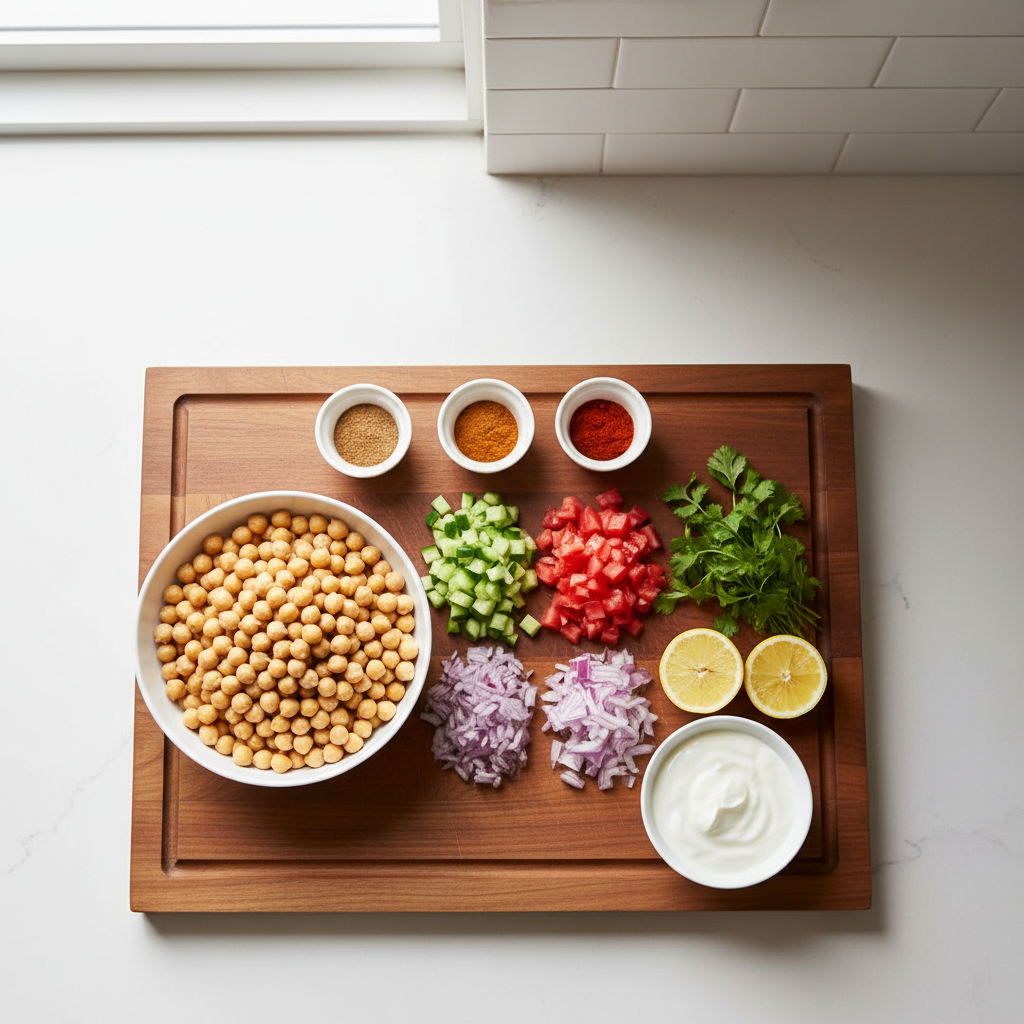
- 1 can (15 oz) chickpeas, rinsed and drained
- 1 cup cucumber, small dice
- 1 cup tomato, small dice
- 1/3 cup red onion, finely chopped
- 1/2 cup bell pepper or shredded carrot (optional but helpful)
- 2–3 tbsp chopped cilantro
- 1–2 tbsp chopped mint (optional)
- Juice of 1 lemon (start with half, add more)
- 1/2 tsp roasted cumin powder
- 1/4 tsp chili powder or cayenne, to taste
- 1/4–1/2 tsp chaat masala, to taste
- 1–2 tsp tamarind chutney or 1 tsp date syrup (optional)
- 2–4 tbsp plain Greek yogurt (optional topping)
- 1–2 tbsp roasted chickpeas, pepitas, or crushed baked papdi for crunch (optional)
Directions
- Rinse chickpeas under running water for 20–30 seconds, this step alone can noticeably reduce salt.
- In a large bowl, mix chickpeas with cucumber, tomato, onion, and any extra vegetables.
- Add lemon juice, cumin, chili powder, and a small amount of chaat masala, toss well and taste.
- If you want the sweet-sour edge, stir in a measured teaspoon of tamarind chutney or date syrup, then taste again.
- Finish with herbs, add yogurt on top if using, then add crunch right before eating so it stays crisp.
Key point: if it tastes flat, add more lemon, cumin, herbs, or a pinch of spice before you add more salt or more chutney.
Smart swaps table: keep the flavor, improve the nutrition
These are the changes that usually make the biggest difference without making the bowl feel “diet.”
| What you might use | Why it can be an issue | Swap that still tastes like chaat |
|---|---|---|
| Regular canned chickpeas (not rinsed) | Higher sodium | Rinse well or use low-sodium chickpeas |
| Lots of tamarind-date chutney | Added sugar can climb | Use 1–2 tsp, lean on lemon + spices for brightness |
| Big handful of sev/papdi | Fried, refined carbs, easy to overdo | 1–2 tbsp as garnish, or roasted chickpeas/pepitas |
| Salt-forward chaat masala | Sodium-heavy blends vary | Use less, boost roasted cumin, mint, and citrus |
| “All chickpeas” bowl | Less volume, higher calories per bite | Add cucumber, peppers, greens to make it bigger |
Practical ways to make it work for your goals (without overthinking)
Healthy eating gets easier when the recipe flexes. Here are a few common targets and what to tweak.
If you want it lower sodium
- Rinse canned chickpeas, or cook from dry if you have time.
- Use chaat masala lightly, taste before adding more.
- Build flavor with lemon, roasted cumin, mint, and fresh onion.
If you want it more filling as a meal
- Add 1/2 cup plain Greek yogurt, or serve with a side of eggs or tofu.
- Increase vegetables rather than doubling chickpeas.
- Keep crunchy toppings small but satisfying, a tablespoon goes further than you think.
If you care about blood sugar steadiness
- Keep sweet chutney minimal, and pair with yogurt or another protein.
- Focus on high-fiber add-ins like cucumber, peppers, and greens.
- Portion chickpeas thoughtfully, especially if you are sensitive to carbs.
According to the American Heart Association, emphasizing fiber-rich foods and moderating sodium can support heart-healthy eating patterns, chana chaat can fit nicely when you keep the salty toppings under control.
Common mistakes that make “healthy chana chaat” disappointing
- Going bland to be “clean.” Chaat needs acidity and spice, add lemon, roasted cumin, and herbs before you cut everything.
- Replacing everything with one substitute. For example, skipping chutney is fine, but then you need extra lemon and maybe pomegranate or chopped mango for balance.
- Adding too many “healthy” extras. Avocado, nuts, and lots of yogurt can be great, but the bowl can get heavy fast.
- Mixing too early for meal prep. Tomatoes and onion leak water, keep components separate if you prep ahead.
When it makes sense to ask a professional
If you have chronic kidney disease, heart failure, hypertension, diabetes, or food allergies, ingredient changes that seem small can matter, especially sodium, potassium, and added sugars. In those situations, it’s reasonable to consult a registered dietitian or clinician for personalized guidance.
Key takeaways (save this)
- Rinse chickpeas and measure chutney, those two steps often change the whole nutrition profile.
- Make vegetables a real part of the bowl, not just a garnish.
- Use crunch as a finishing touch, not the foundation.
- Fix flavor with acid and spice before reaching for more salt.
Conclusion: a chaat bowl you can eat on repeat
Once you see the pattern, how to make chana chaat recipe healthy stops being a strict recipe and becomes a flexible template, chickpeas for substance, lots of vegetables for volume, then bold chaat flavors measured with a light hand.
If you want an easy next step, try making the base once this week, then test one upgrade at a time, rinsed chickpeas, extra cucumber, smaller chutney portion. Your taste buds adjust quickly, and the bowl still feels like the real thing.
FAQ
How do I make chana chaat healthy without losing the tangy taste?
Push lemon or lime juice, add roasted cumin, and use mint and cilantro generously. A small teaspoon of tamarind chutney usually gives plenty of tang without turning the bowl into dessert.
Is canned chickpea chaat still healthy?
It can be. Rinsing and draining canned chickpeas helps, and choosing low-sodium cans makes it easier. The bigger driver tends to be toppings and portion size.
What can I use instead of sev or papdi?
Roasted chickpeas, pepitas, chopped cucumber for extra crunch, or a small handful of baked pita chips can work. You still get texture, just with more control over oil and salt.
Can I meal prep healthy chana chaat for lunches?
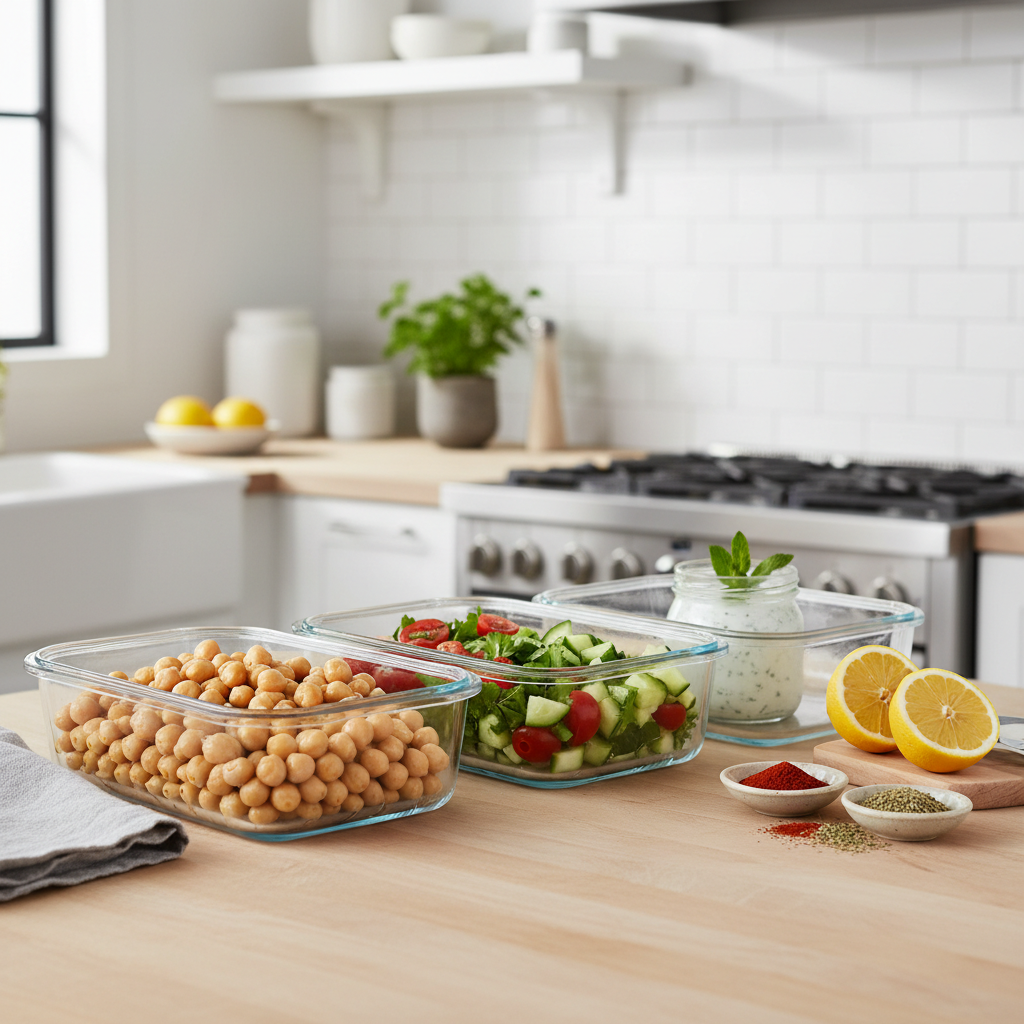
Yes, but keep components separate. Store chickpeas and chopped veggies in different containers, keep chutney and yogurt in small jars, then mix right before eating.
How do I make it lower calorie but still filling?
Increase vegetables and keep chickpeas at about 3/4 to 1 cup per meal serving, then add protein like Greek yogurt. This usually keeps the bowl satisfying without relying on fried crunch.
What’s a good protein add-on besides chickpeas?
Plain Greek yogurt is the easiest, eggs also work if that fits your diet, and tofu can be good if you like a softer bite. Choose what feels realistic for your routine.
Is chaat masala “unhealthy”?
Not inherently, but many blends are salt-forward, and people tend to shake it on heavily. Use a small amount, then build flavor with citrus, cumin, chili, and herbs.
If you’re trying to clean up your favorite snacks without making them sad, keep a simple chana chaat “kit” in your fridge, chickpeas, chopped veg, lemon, and a small jar of chutney, it turns a craving into a quick lunch with almost no extra effort.