
South indian food can feel intimidating at first, especially if you associate it only with restaurant dosas and big weekend spreads, but most of the everyday dishes are actually weeknight-friendly once you know the building blocks.
If you have ever bought a bag of lentils, a jar of curry leaves, or a packet of sambar powder and then stalled out, you are not alone, the flavor is incredible but the process looks unfamiliar. This guide keeps it practical: what to stock, what to cook first, and how to adjust heat and tang so it tastes right in an American kitchen.
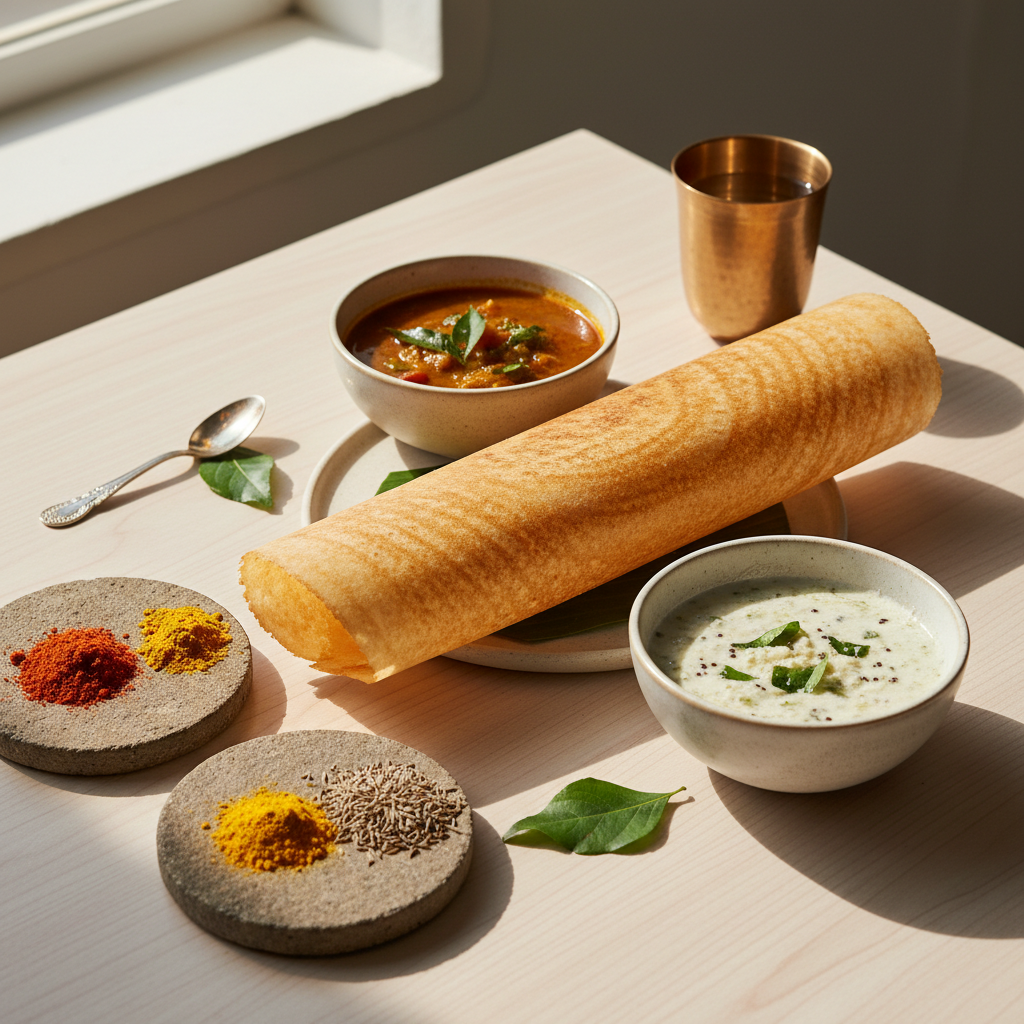
One more thing before we jump in, a lot of “authentic” talk online turns cooking into a test. Real home cooking is more flexible, you can get very close with smart substitutes, and you will still end up with a satisfying plate.
What makes South Indian flavors taste “right”
The signature taste usually comes from a few repeat techniques rather than hard-to-find ingredients. Once you recognize them, recipes stop feeling random.
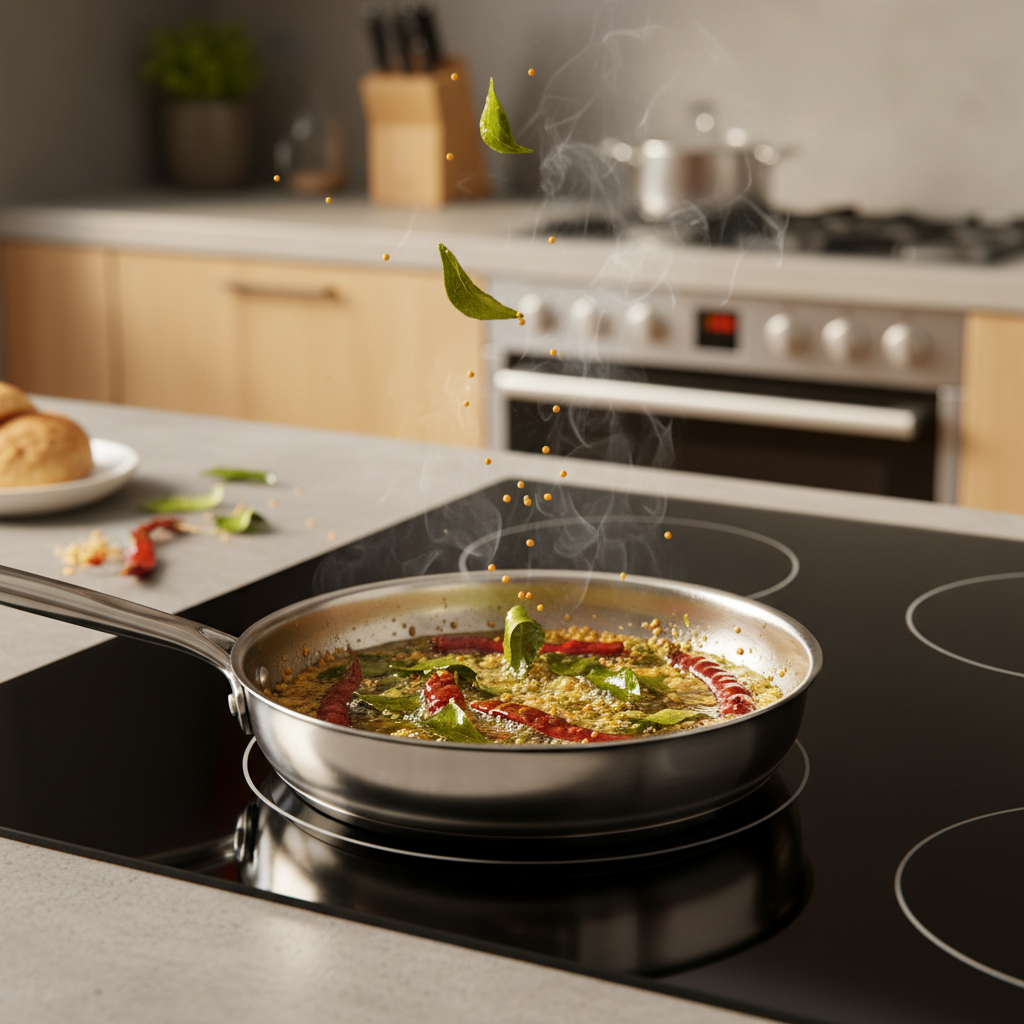
- Tempering (tadka): blooming mustard seeds, urad dal, chiles, curry leaves in hot oil, then pouring that over a dish for aroma.
- Balanced sour: tamarind, tomatoes, yogurt, or lemon to lift lentils and vegetables.
- Layered spice: a mix of whole spices plus a powder blend such as sambar powder or rasam powder.
- Rice + lentils as a backbone: not only for batter, also for quick “one-pot” comfort meals.
According to USDA MyPlate, building meals around vegetables, protein foods, and grains supports balanced eating patterns, so it can help to think of these dishes as a complete plate rather than “just curry.” If you cook for specific health needs, it may be worth checking with a registered dietitian, especially around sodium or carb targets.
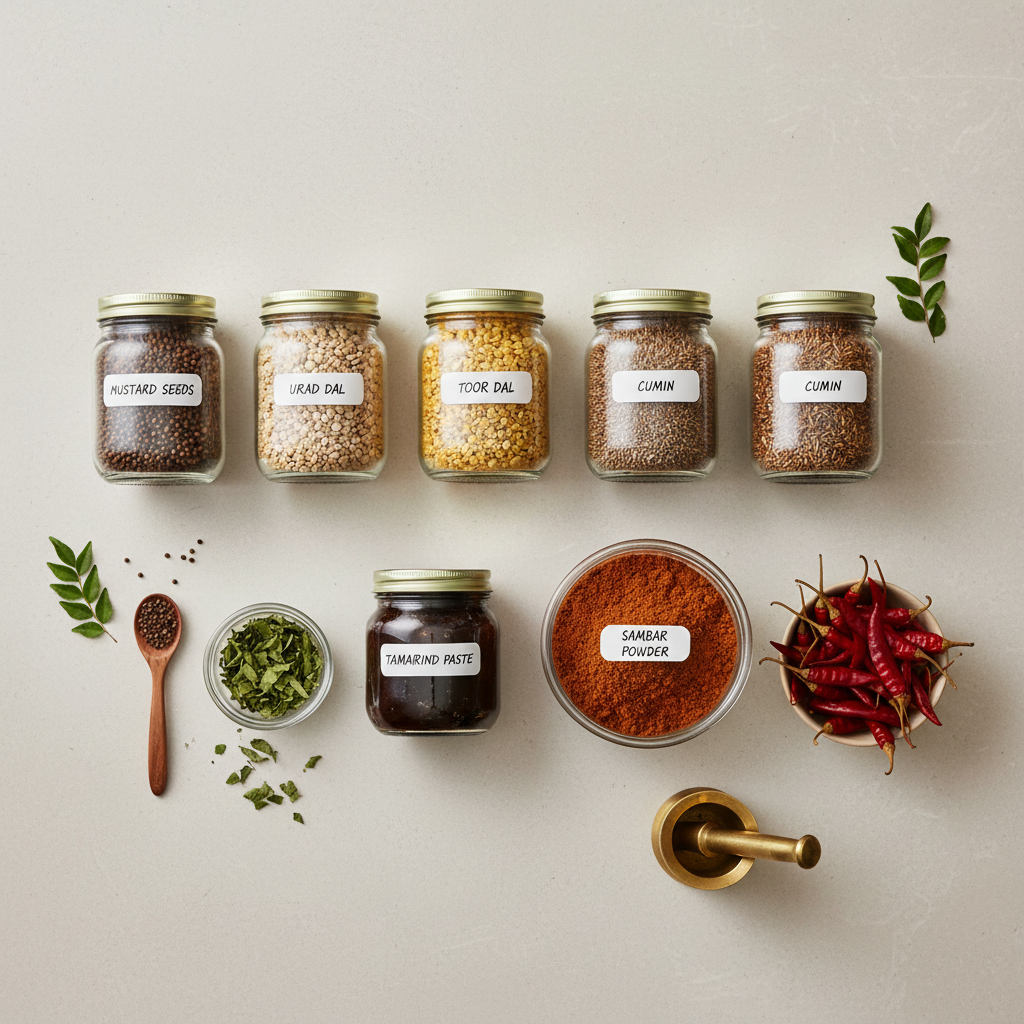
Starter pantry: what to buy (and what to swap in the US)
You do not need a specialty haul to begin, but a few items make south indian food noticeably more flavorful.
| Ingredient | Why it matters | Easy US substitute |
|---|---|---|
| Mustard seeds | Nutty pop in tempering | None perfect, but toasted cumin works in a pinch |
| Curry leaves (fresh/frozen) | Distinct citrusy aroma | Bay leaf adds perfume, not the same, but better than skipping |
| Urad dal | Crunch + depth in tadka, also for batter | Split yellow peas for soups, for tadka try split chickpeas (chana dal) |
| Tamarind paste | Classic tang | Lime juice + a pinch of brown sugar (different, still good) |
| Sambar powder | Shortcut blend for lentil stew | Curry powder plus extra coriander and chili, adjust slowly |
| Coconut (fresh/frozen/desiccated) | Chutneys and mellow richness | Unsweetened shredded coconut, or coconut milk thickened briefly |
Key point: if you only buy two things to start, make it mustard seeds and a decent sambar or rasam powder, that is usually the fastest path to “restaurant-adjacent” flavor at home.
Quick self-check: which dishes should you start with?
Pick your starting point based on your time, tools, and how adventurous you feel, this avoids the classic mistake of jumping straight to dosa fermentation on a busy week.
- If you want a 30–40 minute dinner: tomato rasam, lemon rice, or quick coconut chutney with store-bought idli/dosa batter.
- If you like one-pot comfort food: sambar with veggies, or curd rice with a crunchy tempering.
- If you want a project: from-scratch dosa batter, or a weekend thali-style spread.
- If you avoid heat: choose yogurt-based dishes, and keep green chiles optional.
5 tasty South Indian recipes you can actually make at home
These recipes lean on common US grocery items, while still keeping the core techniques. Adjust chili gradually, the heat often blooms after a few minutes.
1) Tomato Rasam (bright, peppery soup)
What it is: a light, tangy soup that tastes deeper than it looks, great with rice or as a “reset” meal.
- Ingredients: tomatoes, tamarind paste (optional), garlic, black pepper, cumin, turmeric, curry leaves (optional), cilantro.
- Do: simmer chopped tomatoes with water, turmeric, salt, and a small spoon of tamarind.
- Finish: temper mustard seeds, cumin, garlic, and curry leaves in oil, pour over, then add cilantro.
Taste check: if it feels flat, it usually needs either more pepper aroma (crush fresh) or a little more tang, not more chili.
2) Simple Vegetable Sambar (lentil stew)
What it is: a hearty lentil-and-vegetable stew, many families treat it as the everyday workhorse of south indian food.
- Ingredients: toor dal (split pigeon peas) or red lentils, mixed veggies (drumstick if you find it, otherwise carrots, zucchini, green beans), sambar powder, tamarind, onion, tomatoes.
- Cook: boil lentils until soft, separately simmer veggies until tender, then combine.
- Season: add sambar powder, tamarind to taste, then do a mustard-seed tempering.
Shortcut: an Instant Pot often works well for the lentils, then you can finish the flavor on the stovetop so the tempering stays fragrant.
3) Lemon Rice (fast, lunchbox-friendly)
What it is: seasoned rice with lemon, peanuts, and a crackly tempering, excellent for leftovers.
- Ingredients: cooked rice (day-old is ideal), lemon juice, peanuts, mustard seeds, turmeric, curry leaves, chiles (optional).
- Method: temper spices and peanuts, toss with rice and turmeric, turn off heat, then add lemon at the end.
Common miss: adding lemon while the pan is very hot can mute the brightness, add it after heat drops.
4) Coconut Chutney (no-cook or quick blend)
What it is: creamy, cooling chutney that makes dosas, idlis, and even roasted veggies feel complete.
- Ingredients: unsweetened coconut, roasted chana dal (optional), ginger, green chile (optional), yogurt or water, salt.
- Blend: aim for spoonable, not runny.
- Top: quick tempering with mustard seeds and curry leaves for that “real” finish.
5) Curd Rice (comfort bowl with a crunchy finish)
What it is: yogurt mixed with rice, then topped with a tempering, soothing and simple.
- Ingredients: cooked rice, plain yogurt, salt, grated cucumber or carrots (optional), mustard seeds, ginger, chiles (optional).
- Method: loosen yogurt with a splash of water, mix in rice, then temper and pour on top.
If you are lactose-sensitive, some people do well with lactose-free yogurt, but tolerance varies, so go by your own experience or ask a clinician if you are unsure.
Practical cooking tips that save most beginners
Most frustration comes from texture and timing, not from “wrong spices.” A few habits make a big difference quickly.
- Tempering timing: when mustard seeds start popping, add curry leaves carefully, moisture can splatter, keep a lid nearby.
- Salt early, acid late: salt helps lentils taste rounder, souring agents often taste brighter when added closer to the end.
- Blend powders gradually: sambar powder strength varies by brand, start smaller than you think.
- Rice texture matters: lemon rice wants separate grains, curd rice wants softer rice that mixes easily.
Common mistakes (and what to do instead)
These come up a lot when Americans try south indian food at home, and the fixes are usually simple.
- “It tastes bland.” Add aroma, not just heat: fresh-cracked pepper, a proper tempering, or a pinch more roasted cumin.
- “It tastes sour in a harsh way.” Tamarind can go sharp if heavy-handed, dilute with more lentils/veg, add a little jaggery or brown sugar, then re-salt.
- “My lentils feel gritty.” Simmer longer and add water in small splashes, some lentils need more time than labels imply.
- “Chutney turned watery.” Use less water, blend in pulses, and add yogurt carefully, coconut releases moisture as it sits.
When it makes sense to get extra help
If you are dealing with food allergies, celiac disease, kidney disease, or a medically advised low-sodium plan, it is smart to ask a registered dietitian how to adapt these dishes. Spice blends and pickles can hide a lot of sodium, and some lentil-heavy meals may need portion adjustments depending on your situation.
Also, if you are fermenting dosa batter at home and you are unsure about food safety, use clean containers, keep fermentation times reasonable, and when in doubt, discard and restart, it is not worth pushing a questionable batch.
Conclusion: a realistic way to cook South Indian food consistently
South indian food gets much easier once you stop chasing “perfect authenticity” and start repeating a few core moves: a confident tempering, one reliable spice blend, and a tangy element you can control.
Try this next: pick one dish from the list, cook it twice in two weeks, and only change one variable the second time, maybe the tamarind level or the tempering mix. That small loop is how the flavors start feeling intuitive.