
Lunch boxes can feel like a daily puzzle: you want something your kid will eat, you want it to hold up until lunchtime, and you don’t want to spend your whole morning negotiating grapes versus chips.
The good news is that “easy” doesn’t have to mean boring, and “healthy-ish” doesn’t have to mean a sad dry sandwich. A few repeatable formulas, a short list of reliable staples, and one or two fun touches usually do more than chasing brand-new ideas every day.
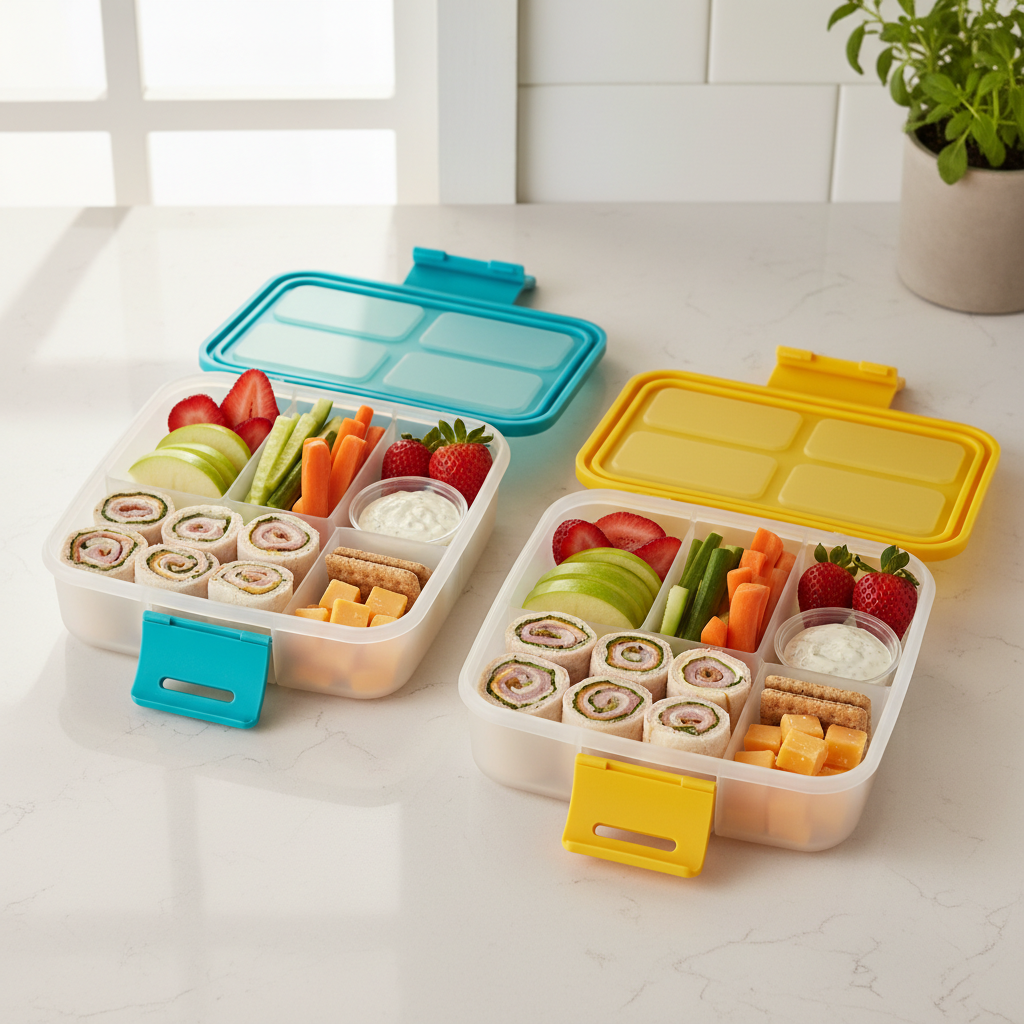
This guide focuses on practical combos, packing tricks for real school schedules, and a quick way to mix-and-match so you’re not reinventing lunch every Sunday night. You’ll also find a simple table you can screenshot for later.
What makes kids’ lunch boxes “easy” (and why some fail)
Most lunches fail for predictable reasons, not because you’re “bad at packing.” A lunch can look great at 7 a.m. and still come back untouched if the texture changes, it takes too long to eat, or it feels unfamiliar.
- Time crunch: many kids have 15–25 minutes to eat, so foods that require lots of peeling, unwrapping, or assembling often lose.
- Temperature drift: warm foods get lukewarm, cold foods get sweaty, and suddenly the “favorite” turns into “no thanks.”
- Too many new items at once: one new food is a stretch goal, three new foods is a gamble.
- Texture problems: soggy bread, wet crackers, cut apples that brown, and slimy cucumbers can sink the whole box.
- Portion mismatch: a huge lunch can overwhelm, while a tiny lunch triggers snack bartering.
According to USDA, a balanced pattern for kids typically includes fruits, vegetables, grains, protein foods, and dairy or a dairy alternative, but in lunch boxes, “balanced” works best as a flexible template rather than a strict checklist.
A quick self-check: which lunch box situation are you in?
Pick the closest match, because the “right” lunch idea depends on the problem you’re solving.
- The picky-eater loop: the same 3 foods on repeat, and anything new comes home.
- The soggy lunch problem: sandwiches, crackers, or leftovers lose texture by noon.
- No-heat, no-fridge reality: you need room-temp safe options that still taste good.
- All-snacks, no-meal kid: they’ll happily eat 6 small things, but ignore a “main.”
- Food allergy / classroom rules: you’re avoiding nuts, or your school has specific restrictions.
If you’re unsure, start by watching what comes home most often for a week, not what you hoped they would eat. That little bit of feedback saves a lot of effort.
The mix-and-match formula (so you can stop chasing new ideas)
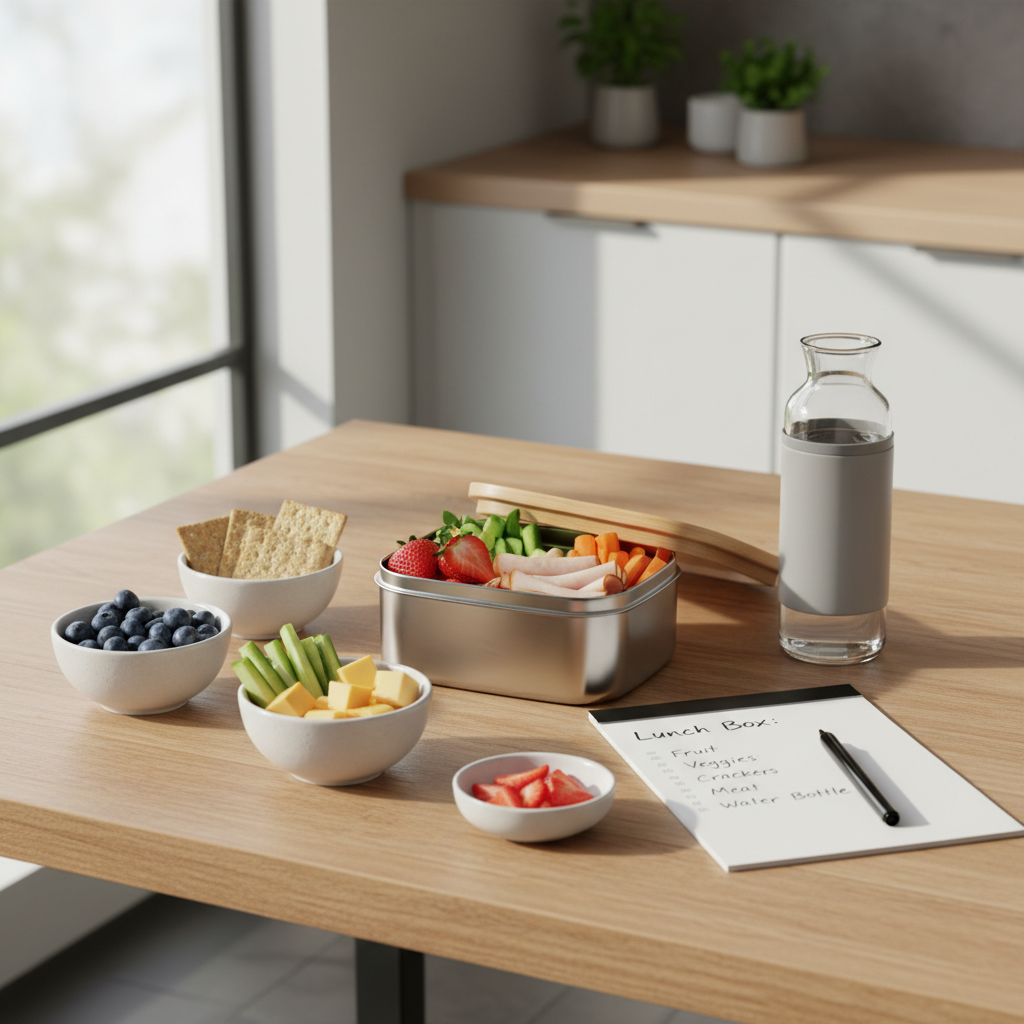
When lunch boxes feel easy, it’s usually because a parent is reusing a simple structure. Try this: build lunch from 4 parts, then rotate within each part.
- Main (fills them up): sandwich, wrap, pasta cup, protein + crackers, leftovers in a thermos.
- Fruit: berries, grapes (sliced if needed), orange segments, apples with a dip.
- Veg + dip (or a “crunch”)
- Fun add-on: something small that feels like a win, like a cookie, a few chocolate chips in trail mix, or a sticker note.
One note that sounds obvious but matters: keep at least one “safe” item every day. That’s the anchor that makes trying something new more realistic.
Easy lunch box ideas by “type of kid” (realistic combos)
Below are dependable combinations that tend to survive a school morning and still taste good at lunch. Swap ingredients based on what your child already accepts.
For sandwich kids (but not boring)
- Turkey + cheese roll-ups (no bread), grapes, baby carrots, pretzels
- Sunflower-seed butter (nut-free for many schools) + jelly sandwich, cucumber coins, apple slices
- Mini bagel sandwich with cream cheese, berries, snap peas
- Hummus “sandwich” in pita, cherry tomatoes, mandarin oranges
For the snack-plate kid
- Cheese cubes, whole-grain crackers, salami or turkey, strawberries, mini peppers
- Greek yogurt (or non-dairy yogurt), granola kept separate, blueberries, pretzel sticks
- Hard-boiled egg, pita chips, hummus, grapes, cucumbers
For kids who like warm lunches (thermos-friendly)
- Mac and cheese with peas mixed in, fruit cup, crunchy snack
- Rice + shredded chicken, steamed broccoli on the side, orange slices
- Mini meatballs in marinara, pasta, a simple veg
Food safety can vary by product and school conditions, so if you’re packing warm foods, using a quality thermos and following the manufacturer’s instructions is a good baseline; if you have concerns about safe holding times, a pediatrician or registered dietitian can help.
For nut-free classrooms (common request)
- Cheese quesadilla wedges, salsa container, pineapple, bell pepper strips
- Chicken salad made with Greek yogurt, crackers, grapes, carrots
- Seed-butter dip, apple slices, cheese stick, popcorn
A weekly rotation table you can actually reuse
Here’s a simple plan that repeats ingredients, so you buy less and prep faster. Adjust portions based on age and appetite.
| Day | Main | Fruit | Veg / Crunch | Fun add-on |
|---|---|---|---|---|
| Mon | Turkey & cheese roll-ups | Grapes | Carrots + ranch | 1 small cookie |
| Tue | Hummus pita | Mandarin oranges | Snap peas | Chocolate chips (small portion) |
| Wed | Thermos mac & peas | Apple slices | Pretzels | Sticker note |
| Thu | Mini bagel sandwich | Berries | Cucumber coins | Fruit snacks (small) |
| Fri | “Snack plate” (crackers + protein) | Strawberries | Mini peppers | Mini brownie bite |
Practical packing tips that prevent sogginess and waste
This part is unglamorous, but it’s where lunch boxes improve fast.
- Use separation on purpose: keep wet foods away from dry foods, and pack dips in a tight container.
- Delay the “assembly”: pack bread separate from fillings when possible, or use lettuce/cheese as a moisture barrier.
- Choose cuts that hold up: apple wedges brown slower than thin slices, whole berries travel better than cut fruit.
- Think “two textures”: something soft (wrap, pasta) plus something crunchy (crackers, snap peas) makes lunch feel less repetitive.
- Label and simplify: if your kid can open it quickly, they eat more of it, especially younger grades.
According to CDC, handwashing and clean food-contact surfaces help reduce the risk of foodborne illness; a quick rinse-and-dry routine for containers matters more than most fancy hacks.
Safety and allergy notes (quick, not scary)
Most families just need a few guardrails. If your child has medical needs or significant food allergies, it’s worth double-checking plans with a clinician or school nurse.
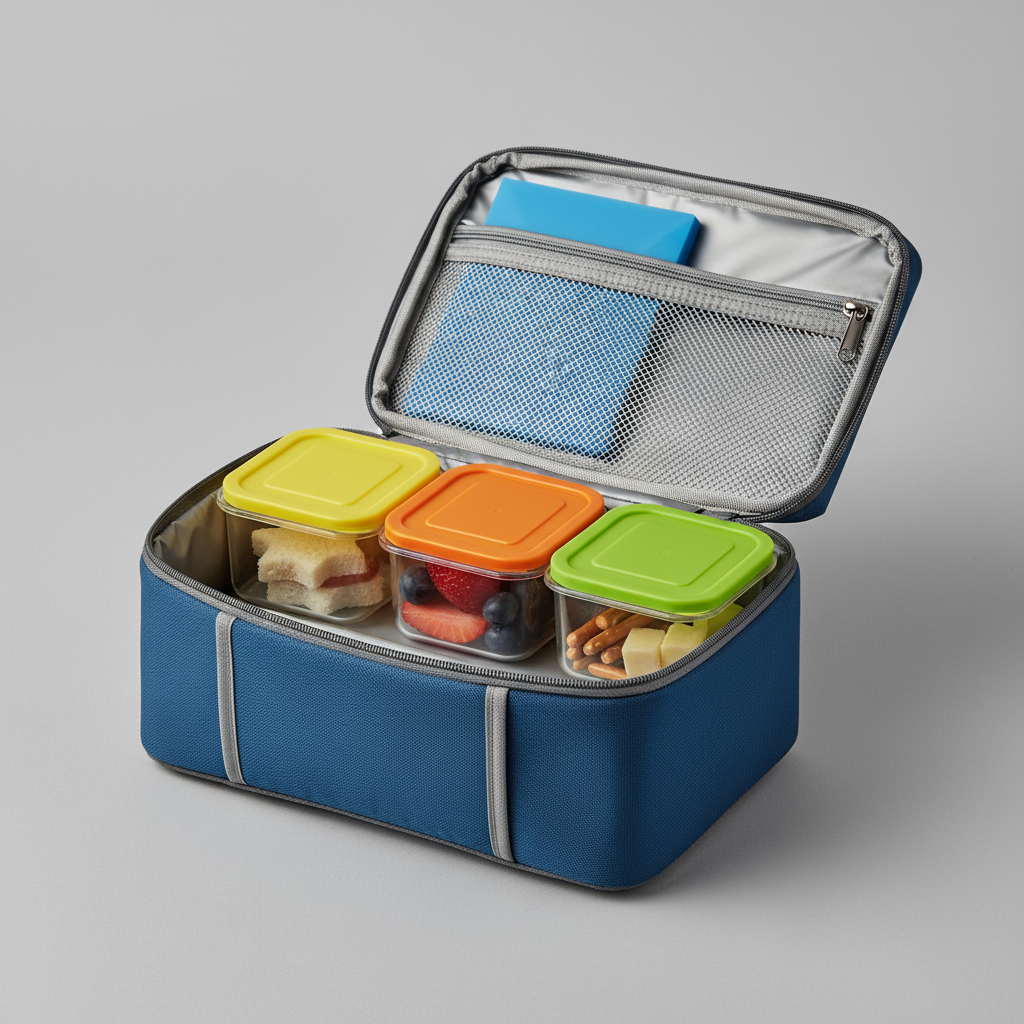
- Cold foods: use an ice pack and an insulated bag when you can, especially for dairy, meat, and cut produce.
- Warm foods: preheat the thermos with hot water, then add hot food, so it stays warm longer.
- Choking risks: whole grapes, hot dog rounds, and similar foods may need to be cut differently depending on age; if you’re unsure, ask your pediatrician for guidance.
- Allergen rules: schools vary, so use the classroom list as your source of truth, not generic “nut-free” labels.
Putting it into action: a 10-minute morning routine
If mornings are chaos, aim for a routine that repeats, not a routine that’s “perfect.”
- Night before: wash fruit, portion snacks, set containers and ice pack in one spot.
- Morning: build from the 4-part formula, then add one “fun” item only after the basics are in.
- After school: do a two-minute review, what came back, what got eaten, what got traded.
Key takeaways: keep one safe food daily, separate wet and dry, rotate within a simple template, and use feedback from what returns home rather than what looks good on Instagram.
Wrap-up: make lunch boxes boring for you, enjoyable for them
When lunch boxes work, it’s rarely because you found one magical recipe; it’s because you built a small system you can repeat. Start with two or three reliable mains, add a fruit and a crunch, and keep the “new” stuff small and occasional.
If you want one next step, pick five lunches from the table, shop for those ingredients only, and run it for two weeks, then adjust based on what your kid actually eats.
FAQ
How do I keep lunch boxes cold until lunchtime?
An insulated bag plus a solid ice pack usually helps. For foods that spoil easily, it’s safer to rely on cold packs and choose items that tolerate chilling.
What are easy lunch box ideas for picky eaters?
Keep one “safe” main, then introduce just one small new item at a time, like a different fruit or a new dip. Many kids need repeated, low-pressure exposure before a new food sticks.
What can I pack when the school is nut-free?
Seed butters, cheese, yogurt, beans, eggs, and meats can cover protein needs. Always follow your school’s specific policy since rules vary by district and classroom.
How do I stop sandwiches from getting soggy?
Use a moisture barrier such as cheese or lettuce, pack juicy ingredients separately, and avoid spreading wet condiments directly on bread. Toasting bread lightly can also help.
Are “snack-style” lunch boxes okay instead of a main dish?
Often, yes, especially for kids who eat better in small portions. Try to include a protein option and a fiber-rich choice so it’s filling, not just quick bites.
What are good make-ahead items for lunch boxes?
Hard-boiled eggs, washed fruit, cut veggies, pasta salad (dressing on the side), and portioned crackers travel well. The best make-ahead foods are the ones your kid reliably eats.
How much food should I pack for my child’s lunch?
It depends on age, lunchtime length, and snack schedules. A practical approach is to pack a moderate amount for a week and adjust based on what comes home consistently.
If you’re trying to simplify lunch boxes without giving up variety, it may help to set up a small “lunch kit” zone at home, containers, dips, staples, and a short rotation list, so mornings become assembly, not decision-making.